Why Is An Immigration Medical Exam Required
February 6, 2026
If you’re planning to move to another country, you’ll notice one requirement that shows up again and again across visa types: the immigration medical exam. Many people feel nervous about it or confused about its purpose.
Some even assume it exists to make the process harder. In reality, this medical exam serves a practical and important role for both applicants and immigration authorities.
An immigration medical exam protects public health, supports fair immigration decisions, and helps applicants begin their new chapter on stable footing. It isn’t about perfection or disqualification. It’s about clarity, safety, and shared responsibility.
Let’s walk through this topic in depth, break down each part of the exam, and explain why governments around the world rely on it.
Understanding the Immigration Medical Exam
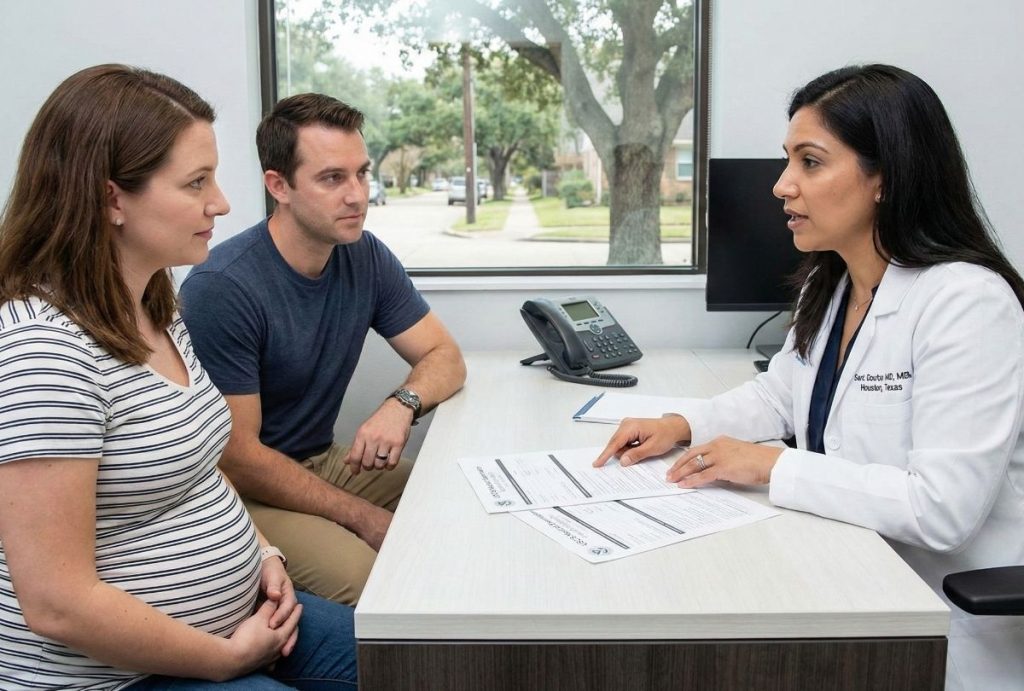
An immigration medical exam is a standardized health assessment required by immigration authorities as part of the application process. Authorized physicians follow strict guidelines set by government agencies. These guidelines define what doctors check, how they document results, and how findings get reported.
This structure keeps the process consistent. Every applicant faces the same medical standards regardless of background, nationality, or visa category. Immigration officers rely on these exams to make informed decisions without guessing about someone’s health status.
At its core, the exam answers one question: does the applicant meet the health-related requirements for immigration?
What an Immigration Medical Exam Involves
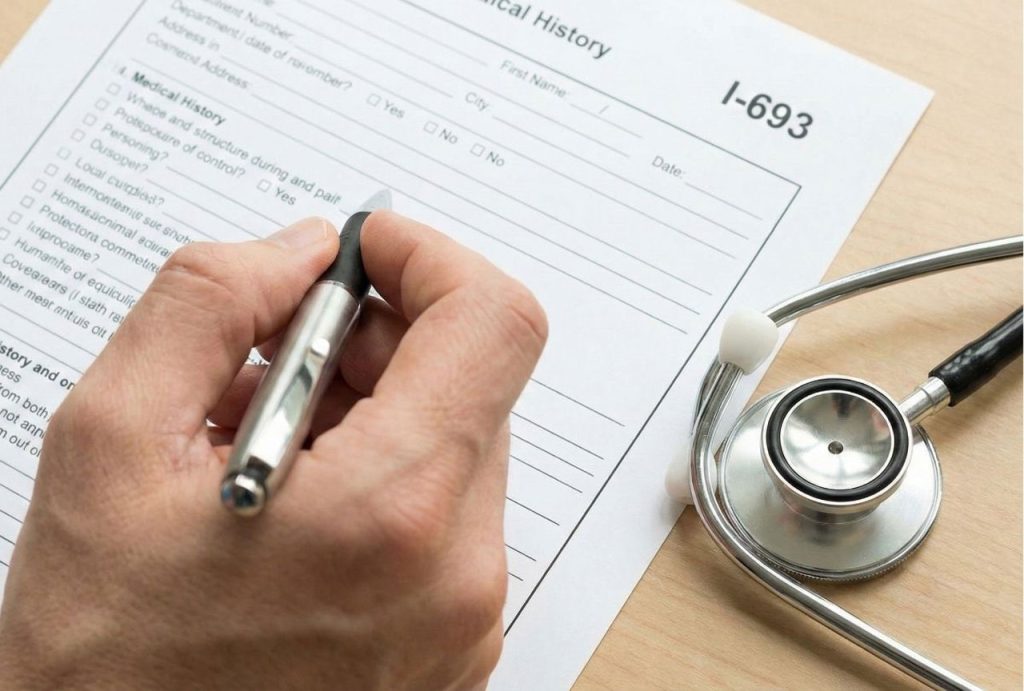
The exam includes several parts, each designed to give a clear picture of an applicant’s overall health. Doctors review medical history, conduct a physical examination, assess vaccination records, and order laboratory tests when required.
This approach balances thoroughness with efficiency. The goal isn’t to uncover minor issues but to identify conditions that could affect public health or an applicant’s ability to settle successfully.
Most exams follow a predictable flow, which helps applicants know what to expect and reduces stress during the appointment.
Who Needs an Immigration Medical Exam
Immigration medical exams apply to many visa categories. Permanent residency applicants almost always need one. Refugees, certain work visa holders, students staying long-term, and citizenship applicants may also require medical clearance.
Requirements depend on the destination country and visa type. Immigration authorities clearly outline who must complete the exam, which keeps expectations transparent and fair.
This broad application prevents selective enforcement and ensures equal treatment across the system.
The Legal Purpose Behind Immigration Medical Exams
Immigration law balances opportunity with responsibility. Health requirements support this balance by ensuring that new residents can integrate without posing avoidable public health risks.
Medical exams provide documented evidence that applicants meet legal standards. This documentation protects both the applicant and the government by creating a clear record that supports visa decisions.
When laws rely on medical assessments, they rely on facts rather than assumptions.
Protecting Public Health
Public health protection stands as one of the main reasons immigration medical exams exist. Countries aim to prevent the spread of serious communicable diseases that could affect communities, schools, and workplaces.
Screening allows early detection and treatment. In many cases, applicants receive care and guidance that improves their health before arrival.
This proactive approach strengthens public health systems and reduces long-term strain.
Communicable Diseases and Screening Standards
Immigration authorities maintain a list of conditions that require screening. These standards come from medical research and public health data. Doctors follow them carefully to ensure accuracy.
Screening doesn’t imply blame or judgment. It focuses on prevention, awareness, and treatment. Applicants who need care often continue the immigration process after meeting medical requirements.
Ensuring Compliance With Immigration Law
Completing the medical exam shows compliance with immigration rules. Applicants demonstrate respect for the process and readiness to meet obligations tied to residency or citizenship.
Authorities depend on accurate medical documentation to process applications efficiently. Missing or incorrect exams cause delays that affect everyone involved.
Clear compliance keeps applications moving forward.
The Role of Public Safety in Immigration Screening
Public safety includes more than physical security. Health stability influences productivity, community engagement, and access to essential services.
Medical exams help ensure that individuals entering a country can manage their health needs responsibly. This preparation benefits employers, schools, and healthcare systems.
Healthy communities thrive when planning replaces uncertainty.
Preventing Health-Related Barriers After Arrival
Health challenges discovered after arrival can disrupt employment, education, and housing plans. Early screening reduces surprises that could derail an applicant’s goals.
Applicants gain insight into their health status and receive recommendations before settling. This knowledge allows better planning and smoother transitions.
Preparation creates confidence during major life changes.
Immigration Medical Exam Clinic
Choosing the right provider shapes the entire experience. Immigration Medical Exam Clinic specializes in immigration-focused health evaluations, offering accuracy, professionalism, and clarity at every step.
Applicants benefit from experienced staff who understand immigration requirements and documentation standards. Clear communication and organized processes reduce anxiety and prevent errors.
Specialized clinics protect timelines and peace of mind.
Why Professional Clinics Matter
Authorized clinics follow government-approved protocols. Their familiarity with immigration forms, vaccination requirements, and submission procedures makes a real difference.
General medical offices may overlook details unique to immigration exams. Professional clinics eliminate that risk through focused expertise.
Accuracy saves time and avoids unnecessary repeat visits.
Accuracy, Documentation, and Peace of Mind
Immigration paperwork leaves little room for mistakes. A missing signature or incorrect code can delay an application for weeks or months.
Professional clinics double-check documentation and guide applicants through each step. This attention to detail builds trust and reduces stress.
Peace of mind matters when navigating complex systems.
Medical Exams and Long-Term Residency Goals
Immigration often represents a long-term commitment. Health assessments support that commitment by encouraging awareness and preventive care.
Applicants who understand their health status make better choices about insurance, lifestyle, and medical follow-up. This awareness supports long-term success.
Healthy residents contribute more fully to their communities.
Impact on Permanent Residency and Citizenship
Passing the medical exam clears a major hurdle toward permanent residency or citizenship. It signals readiness to participate in civic life and contribute responsibly.
Authorities view medical clearance as part of a broader picture that includes legal compliance and personal responsibility.
Each approved exam moves an applicant closer to stability.
Common Components of the Immigration Medical Exam
Knowing what happens during the exam helps applicants feel prepared rather than anxious. Transparency improves cooperation and accuracy.
Physical Examination
The physical exam checks vital signs, general appearance, vision, hearing, and mobility. Doctors look for conditions that may require follow-up care.
This exam focuses on function rather than perfection. Many manageable conditions do not affect eligibility.
Vaccination Review
Vaccination records receive close attention. Immigration authorities require protection against certain preventable diseases based on age and risk factors.
Applicants who lack documentation often receive missing vaccines during the appointment. This step simplifies compliance and supports public health.
Updated vaccinations benefit applicants long after the exam.
Laboratory Testing
Laboratory tests may include blood work or other screenings required by immigration guidelines. These tests provide objective data that supports medical assessments.
Clinics handle samples securely and confidentially. Results follow strict reporting standards to protect privacy.

Mental Health Considerations in Immigration Exams
Mental health forms an important part of overall wellbeing. Immigration medical exams include assessments that focus on safety and self-care capacity.
These evaluations avoid stigma and emphasize support rather than exclusion.
Addressing Mental and Emotional Wellness
Doctors assess conditions that may affect judgment or personal safety. The goal involves understanding, not labeling.
Applicants with managed conditions often continue the process without issue. Awareness and treatment support stability after arrival.
What Happens After the Medical Exam
After completing the exam, clinics submit results according to immigration authority instructions. Some systems use electronic submissions, while others rely on sealed documents.
Applicants receive guidance on timelines and next steps.
Submitting Results to Immigration Authorities
Proper submission ensures that immigration officers receive accurate and complete information. Clinics familiar with immigration processes reduce delays caused by technical errors.
Clear submission keeps applications on track.
Common Misconceptions About Immigration Medical Exams
Many people believe the exam exists to disqualify applicants. This assumption causes unnecessary fear.
In reality, most applicants pass without difficulty. The exam exists to inform decisions and support preparedness, not to block opportunity.
How to Prepare for an Immigration Medical Exam
Preparation helps the appointment run smoothly. Applicants should bring identification, immigration forms, vaccination records, and relevant medical history.
Staying hydrated, well-rested, and honest during the exam supports accurate results.
Documents and Medical History
Organized records reduce delays. Clear documentation prevents repeat testing and follow-up visits.
Transparency builds trust with examiners and authorities alike.
Why This Exam Benefits Applicants
Beyond compliance, the medical exam offers personal value. Many applicants gain insights into their health that lead to early treatment or lifestyle improvements.
This knowledge supports long-term wellbeing and confidence during settlement.
Immigration Medical Exam Clinic Serving the Meyerland Area Community and Beyond in Houston
Immigration Medical Exam Clinic is dedicated to serving the diverse needs of the local community of Houston, including individuals residing in neighborhoods like Meyerland Area. With its convenient location near landmarks such as the Lovett Elementary School and major intersections like Chimney Rock Rd. & N Braeswood Blvd. (coordinates: 29.680729626712193, -95.47310723946369), we offer cheapest immigration medical exam Houston services.
Get Cheapest Immigration Medical Exam at Meyerland Area Now
Call Us Now
Navigate from Meyerland Area to Immigration Medical Exam Clinic Now
The Significance of Immigration Medical Exams in the Immigration Process
The immigration medical exam reflects shared responsibility between applicants and host countries. It protects public health, supports fair decision-making, and prepares individuals for successful integration.
Handled by experienced providers like Immigration Medical Exam Clinic, the process feels structured, respectful, and manageable. This exam marks progress, not an obstacle, on the path toward a new future.
FAQs
1. How long does an immigration medical exam appointment take?
Most appointments last between one and two hours, depending on required tests and vaccinations.
2. Can a medical condition stop my immigration application?
Most conditions do not prevent approval. Authorities often focus on treatment and management rather than denial.
3. Do I need to fast before my exam?
Some laboratory tests require fasting. Our clinic usually provides instructions before the appointment.
4. Are children required to complete immigration medical exams?
Yes, children often need exams with age-appropriate screenings and vaccination checks.
5. How long are immigration medical exam results valid?
Validity depends on visa type and country, often ranging from six months to one year.