Can Pregnant Women Take An Immigration Medical Exam
February 9, 2026
Pregnancy already fills life with appointments, planning, and constant check-ins with your body. Every decision suddenly feels bigger because it affects more than just you. When immigration paperwork enters the picture, stress levels often climb quickly. One question rises to the top for many expecting mothers: Can pregnant women take an immigration medical exam?
Yes, they can. Pregnancy does not prevent anyone from completing an immigration medical exam. Physicians adapt the process to support maternal health while meeting immigration medical requirements. The exam focuses on public safety, not personal circumstances like pregnancy. This guide explains each step in clear, straightforward language so you can approach the exam informed, prepared, and confident.
Understanding the Immigration Medical Exam
The immigration medical exam works as a standardized health screening required by immigration authorities. It exists to protect communities, not to judge individual health journeys.
Why Immigration Medical Exams Exist
Immigration systems rely on medical exams to identify specific communicable diseases that may pose public health risks. Doctors review vaccination records, conduct targeted testing, and assess conditions that require follow-up care. The exam does not evaluate lifestyle choices, pregnancy plans, or overall fitness levels. It simply confirms compliance with health guidelines set by immigration agencies.
Who Needs an Immigration Medical Exam
Applicants applying for permanent residency, adjustment of status, refugee status, or certain long-term visas must complete this exam. The requirement applies equally to adults, children, seniors, and pregnant women. Pregnancy changes how doctors conduct parts of the exam, but it never removes the requirement itself.
Pregnancy and Immigration Medical Exams
Pregnancy represents a normal life stage, not a medical obstacle.
Pregnancy Is Not a Disqualification
Immigration authorities clearly allow pregnant applicants to move forward with their medical exams. Panel physicians complete these exams for expecting mothers every day. Clinics follow established protocols that balance medical safety with immigration compliance. Doctors treat pregnancy with respect and caution, ensuring both mother and baby remain protected.
Common Concerns Expecting Mothers Have
Even with reassurance, concerns often surface. Pregnancy heightens awareness around health decisions, and immigration rules can feel unfamiliar.
Safety of the Baby
This concern tops the list. Doctors design the exam to avoid harm. They delay or modify any component that could affect fetal development. Medical professionals prioritize safety at every stage.
Fear of Medical Testing
Blood tests, vaccines, and imaging can sound intimidating, especially during pregnancy. Clear explanations and open communication reduce fear quickly. Knowing what happens during each step makes a significant difference.
Medical Components of the Exam During Pregnancy
Breaking the exam into parts helps reduce anxiety and confusion.
Physical Examination
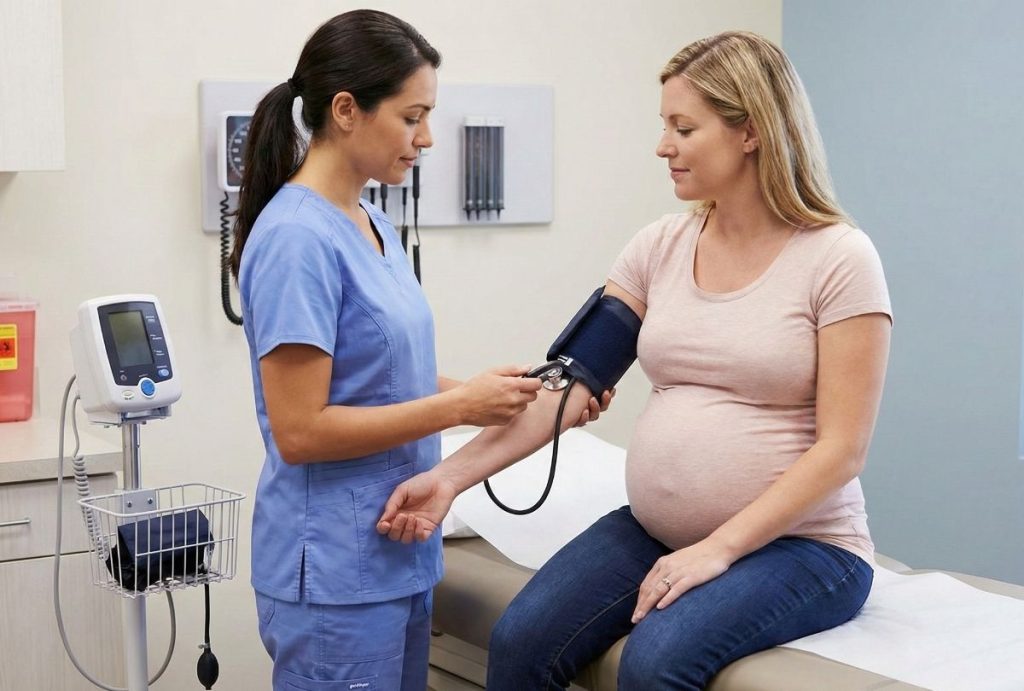
The physical exam includes height, weight, blood pressure, heart rate, vision, and a general health review. Doctors avoid invasive procedures. For pregnant women, this portion often mirrors a routine prenatal visit. Physicians remain attentive to comfort, mobility, and fatigue.
Blood Tests and Pregnancy
Blood tests screen for conditions listed by immigration authorities, including syphilis and other infectious diseases. These tests remain safe during pregnancy and involve only a small blood sample. Licensed laboratories follow strict safety and hygiene standards.
Chest X-Ray Requirements
Chest X-rays often raise the most concern due to radiation exposure.
X-Ray Deferrals
Pregnant women may choose to delay the chest X-ray until after delivery. Doctors document this decision accurately, allowing the application to continue with a temporary hold on final approval. This option protects fetal health while keeping the immigration process active.
Protective Shielding
Some women decide to proceed with the X-ray during pregnancy. Clinics use heavy abdominal shielding to reduce radiation exposure significantly. This approach aligns with established medical safety guidelines and minimizes risk.
Vaccination Rules for Pregnant Applicants
Vaccination requirements often create confusion, especially when pregnancy enters the picture.
Vaccines That Are Deferred
Doctors defer live vaccines during pregnancy. These commonly include MMR and varicella vaccines. Clinics record medical deferrals correctly, ensuring immigration authorities recognize the reason and avoid penalties or delays.
Vaccines That May Still Be Required
Some inactivated vaccines remain safe during pregnancy. Doctors review medical history, gestational stage, and current guidelines before making recommendations. Every decision reflects careful medical judgment.
Doctor Discretion and Pregnancy-Friendly Adjustments
Medical judgment plays a vital role throughout the exam.
Panel Physician Guidelines
Panel physicians receive training on pregnancy-specific considerations. They follow immigration health protocols while adjusting procedures based on individual needs. This approach ensures compliance without compromising maternal or fetal well-being.
Immigration Medical Exam Clinic and Maternity-Aware Care
Choosing the right clinic shapes the entire experience. Immigration Medical Exam Clinic focuses on immigration-focused healthcare with a strong understanding of pregnancy-related needs.
Staff members explain each step clearly, answer questions without rushing, and document deferrals accurately. This level of care reduces anxiety and helps expecting mothers feel respected and supported throughout the process.
Timing Your Immigration Medical Exam During Pregnancy
Timing affects comfort and convenience more than eligibility.
First Trimester Considerations
Early pregnancy often brings nausea, fatigue, and sensitivity. Some women wait until symptoms ease. Others prefer early completion to avoid scheduling pressure later. Doctors support either approach based on comfort.
Second Trimester Considerations
Many healthcare providers view this stage as the most comfortable window. Energy levels often improve, mobility remains easy, and medical risks stay relatively low. Appointments tend to feel smoother during this period.
Third Trimester Considerations
Later pregnancy may limit stamina or mobility. Clinics often provide flexible scheduling, seating accommodations, and shorter appointment durations to support comfort. Planning ahead becomes especially helpful at this stage.
Documentation Pregnant Applicants Should Prepare
Preparation streamlines the appointment and reduces stress.
Prenatal Records
Prenatal records confirm pregnancy status and gestational age. These details help doctors document deferrals properly and support medical decisions.
Doctor Letters
A letter from an obstetrician can support vaccine deferrals or imaging choices. Clinics attach this documentation to the medical report when required, ensuring transparency with immigration authorities.
What Happens After the Exam
After the exam, clinics manage the reporting process.
Submitting Results to Immigration Authorities
Clinics submit results electronically or through sealed documentation, depending on the immigration system. Applicants receive clear instructions on timelines, follow-up steps, and any pending requirements.
Emotional Well-Being and Stress Management
Pregnancy already places emotional demands on the body and mind. Immigration paperwork can intensify stress. Clinics that communicate clearly help reduce uncertainty. Asking questions, bringing a trusted companion, and scheduling appointments thoughtfully all support emotional balance during the process.
Moving Forward With Confidence During Pregnancy
Pregnant women can complete an immigration medical exam safely with professional guidance and thoughtful care. Doctors adjust procedures carefully, clinics document deferrals accurately, and immigration authorities recognize pregnancy as a normal life stage. With preparation and the right clinic, expecting mothers move forward confidently, protecting both personal health and immigration goals.
Immigration Medical Exam Clinic Serving the Shenandoah Community and Beyond in Houston
Immigration Medical Exam Clinic is dedicated to serving the diverse needs of the local community of Houston, including individuals residing in neighborhoods like Shenandoah. With its convenient location near landmarks such as the Benavidez Elementary School and major intersections like Hillcroft Ave. & Southwest Fwy. (coordinates: 29.716704099999987, -95.4938099), we offer immigration exam clinic open now Houston services.
Get Immigration Exam Clinic Open Now Houston at Shenandoah Now
Navigate from Shenandoah to Immigration Medical Exam Clinic Now
Navigating Immigration Medical Exams with Confidence During Pregnancy
Pregnant women can safely complete an immigration medical exam with proper care and professional guidance. Doctors adjust procedures thoughtfully, clinics document deferrals accurately, and immigration authorities recognize pregnancy as a normal life stage. With preparation and the right clinic, expecting mothers move forward confidently, protecting both their health and their immigration goals.
FAQs
1. Can pregnant women legally complete an immigration medical exam?
Yes. Immigration authorities allow pregnant applicants to complete the exam with adjusted procedures.
2. Do pregnant women have to take a chest X-ray?
They may defer the X-ray until after delivery or proceed with protective shielding.
3. Will pregnancy delay immigration approval?
Deferrals can extend timelines slightly, though many cases continue without major delays.
4. Are vaccines mandatory during pregnancy?
Doctors defer certain vaccines and document them properly to meet immigration rules.
5. Is blood testing safe during pregnancy?
Yes. Blood tests used in immigration exams pose no risk to mother or baby.