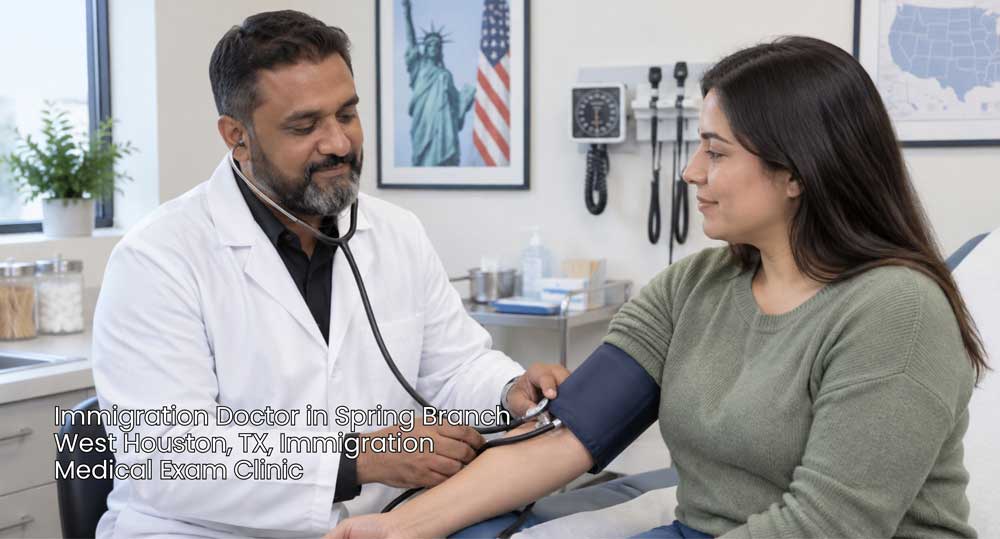
The Only Medical Professional Whose Signature Can Unlock — Or Block — Your Green Card
April 28, 2026
Getting a Green Card can feel like climbing a mountain—step by step, document by document, checkpoint by checkpoint. You gather proof, attend interviews, wait patiently… and then comes a stage many people underestimate: the immigration medical exam. It may look like just another requirement, but in reality, it’s the final gatekeeper.
Here’s the truth: one authorized medical professional—the civil surgeon—has the power to either push your application forward or bring it to a sudden halt. Their signature isn’t symbolic; it’s decisive. Think of it like the final stamp on a passport—without it, you don’t move.
Let’s break this down in detail so you fully understand how this single step can shape your immigration journey.
Why a Medical Exam Is Required for Immigration
Immigration systems aren’t just about legal paperwork—they’re also about protecting communities. Governments need to ensure that incoming residents won’t pose a public health risk or create an unexpected burden on healthcare systems.
Imagine inviting someone into your home. You’re not just checking their background—you also want to know they won’t bring in something harmful. That’s essentially what the immigration medical exam does at a national level.
It’s not about exclusion—it’s about prevention and preparedness.
The Role of the Civil Surgeon
A civil surgeon is a doctor officially designated by U.S. Citizenship and Immigration Services (USCIS) to conduct immigration medical exams. This role isn’t given lightly. These physicians must meet strict criteria and follow detailed protocols.
They don’t just “check your health.” They interpret your medical condition through the lens of immigration law. Think of them as translators—turning your health records into a language that immigration authorities understand and trust.
For example, a regular doctor might say, “You’re healthy overall.” A civil surgeon, on the other hand, determines whether your health meets specific immigration requirements—two very different perspectives.
Their responsibilities include:
- Evaluating vaccination compliance
- Screening for communicable diseases
- Completing Form I-693 accurately
- Sealing and certifying your results
Legal Authority Behind the Requirement
This requirement is grounded in immigration law and public health policy. It ensures that every applicant is evaluated fairly and consistently.
Skipping this step isn’t an option—it’s like trying to graduate without completing your final exam. No matter how well you performed before, you won’t get the result without finishing this last requirement.
The law ensures that:
- All applicants meet the same health standards
- Public safety is prioritized
- Medical eligibility is verified before approval
What Is Form I-693 and Why It Matters
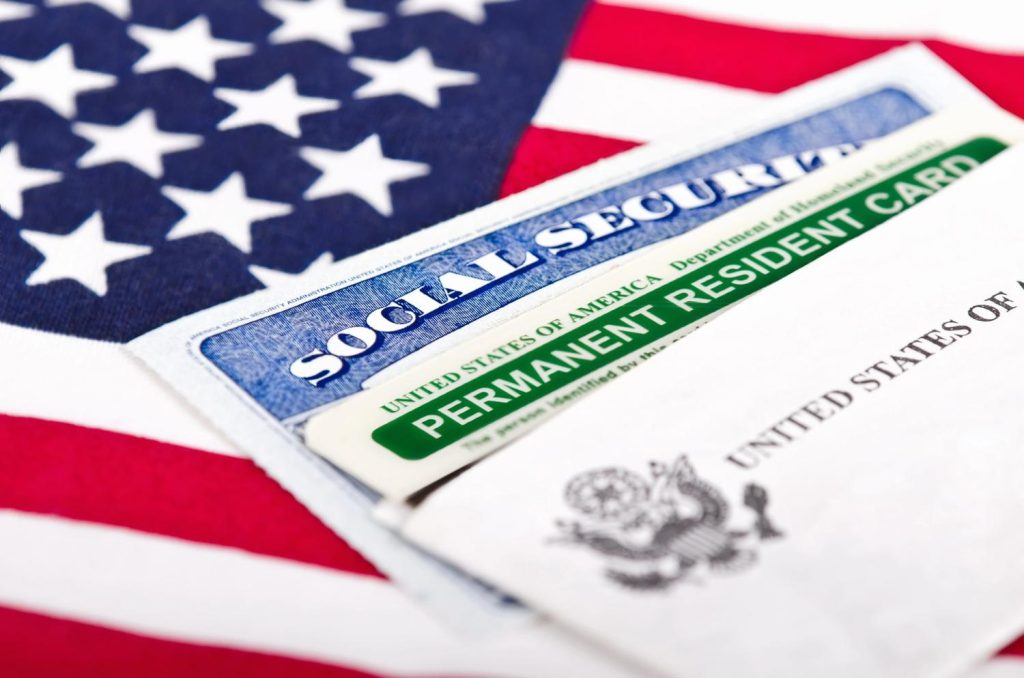
All results from your medical exam are documented in Form I-693. This isn’t just paperwork—it’s one of the most important documents in your Green Card application.
Think of it as your “medical passport.” It tells immigration officers everything they need to know about your health status in a standardized format.
Once completed, the form is sealed. That seal is crucial—opening it invalidates the form. It’s like breaking a security seal on a package—it can no longer be trusted.
Key Sections of Form I-693
Medical History Review
This section dives deep into your past. You’ll be asked about illnesses, surgeries, mental health, and ongoing treatments.
For example, if you had a condition years ago but fully recovered, it likely won’t impact your application—but it must still be disclosed.
Honesty is key here. Trying to hide information can create inconsistencies that may delay your case.
Vaccination Records
Vaccination requirements are one of the most common hurdles. Missing records can slow everything down.
Think of it like trying to enter a secured building without proper credentials—you won’t get through until everything is verified.
If you don’t have proof, the clinic may administer the required vaccines on-site.
Physical Examination
The physical exam checks your overall health—heart, lungs, reflexes, and general condition.
It’s similar to an annual check-up but with a specific goal: ensuring you meet immigration health standards.

How One Signature Can Change Everything
At the end of the process, everything comes down to one thing: the civil surgeon’s signature. It’s the moment where all your preparation either pays off—or needs to be revisited.
Approval vs. Delay
If everything is complete, your application continues smoothly. But if something is missing or unclear, delays can happen.
Imagine finishing a marathon but being told you missed a checkpoint—you have to go back before you can officially finish.
That’s how critical this step is.
Common Reasons for Denial
- Missing vaccination documentation
- Untreated communicable diseases
- Errors or incomplete sections in Form I-693
- Failure to complete required tests
Even small mistakes—like incorrect dates or missing signatures—can lead to setbacks.
What Happens During an Immigration Medical Exam
Knowing what to expect can turn anxiety into confidence.
Step-by-Step Process
- Check-in and document verification
- Review of medical history
- Physical examination
- Laboratory testing
- Vaccination updates
Each step builds a complete picture of your health.
Tests and Screenings Conducted
You may undergo:
- Tuberculosis screening
- Blood tests
- General physical evaluation
These tests are standardized, ensuring fairness and consistency.
Immigration Medical Exam Clinic in Tanglewood
Why Choosing the Right Clinic Matters
Choosing the right clinic is like choosing the right guide for a complicated journey. The wrong one can lead to confusion, delays, or repeated visits.
A good clinic ensures:
- Accurate documentation
- Efficient processing
- Clear communication
What to Expect from Immigration Medical Exam Clinic
Immigration Medical Exam Clinic is designed to simplify the process for applicants.
You can expect:
- Experienced civil surgeons
- Organized procedures
- Clear instructions and support
It’s about making a complex process feel manageable and straightforward.
Preparing for Your Appointment
Preparation is your advantage.
Documents You Need
Bring:
- Government-issued ID
- Vaccination records
- Medical history documents
- Appointment confirmation
Missing documents can delay your process.
Tips for a Smooth Experience
- Arrive early
- Double-check your paperwork
- Be honest in your responses
- Follow instructions carefully
Preparation turns a stressful process into a smooth one.
Mistakes to Avoid During the Process
Avoiding mistakes can save you time and frustration.
Incomplete Records
Missing paperwork can halt everything. It’s like trying to submit an incomplete application—it simply won’t move forward.
Missing Vaccinations
Without proof, you’ll need additional appointments, which can delay your timeline.
Timeline and Validity of Results
Timing is critical.
How Long the Exam Is Valid
Form I-693 is typically valid for two years, but only under certain conditions.
Think of it like a ticket with an expiration date—you need to use it within the allowed time.
When to Submit Your Form
Submitting too early or too late can cause complications. Proper timing keeps your application on track.
Costs and What Influences Them
Costs vary depending on several factors.
Typical Price Range
Fees usually include the exam, documentation, and basic tests.
Factors That Affect Cost
- Vaccinations needed
- Lab tests required
- Clinic location
- Individual health needs
It’s an investment in your future—not just an expense.
Immigration Medical Exam Clinic Serving the Tanglewood Community and Beyond in Houston
Immigration Medical Exam Clinic is dedicated to serving the diverse needs of the local community of Houston, including individuals residing in neighborhoods like Tanglewood. With its convenient location near landmarks such as the Tanglewood Middle School and major intersections like Yorktown St and Meadow Lake Ln (coordinates: 29.743682135014414, -95.47309425453396), we offer USCIS civil surgeon Houston services.
Get USCIS Civil Surgeon Services at Tanglewood Now
Call Us Now
Navigate from Tanglewood to Immigration Medical Exam Clinic Now
Conclusion
The immigration medical exam is more than just another requirement—it’s a decisive moment in your Green Card journey. One doctor, one form, one signature—that’s all it takes to move forward or face delays.
Think of it as the final checkpoint before approval. Everything you’ve worked for leads to this moment. That’s why preparation, accuracy, and choosing a trusted provider like Immigration Medical Exam Clinic in Tanglewood are essential.
Handle this step with care, and it becomes a smooth bridge—not a barrier—toward your future.
FAQs
1. Can any doctor perform an immigration medical exam?
No, only a USCIS-authorized civil surgeon can perform and sign the exam.
2. What happens if I fail the medical exam?
You may need treatment or additional documentation before proceeding.
3. How long does the exam take?
Typically 1–2 hours.
4. Do I need to fast before the exam?
Usually no, but follow clinic instructions.
5. Is the exam required for all applicants?
Yes, most Green Card applicants must complete it unless exempt.