Nobody Told Me Any of This Before My Immigration Medical Appointment
April 8, 2026
If you’ve ever walked into something thinking, “This will be quick,” only to realize it’s anything but—that’s exactly what an immigration medical exam feels like. It’s like expecting a short grocery run and ending up doing a full week’s shopping with a long checkout line.
Most people assume it’s just a basic health check. But the moment you start preparing, you realize it’s more like assembling a puzzle—every document, every vaccine, every test has to fit perfectly. And if one piece is missing? The whole process can stall.
For anyone heading to Briargrove Park for their appointment, understanding these hidden details ahead of time can mean the difference between a smooth experience and a stressful one.

Understanding the Immigration Medical Exam
What Is an Immigration Medical Exam?
Think of the immigration medical exam as a “health clearance checkpoint.” It’s not about judging your lifestyle or grading your fitness—it’s about ensuring you meet specific health standards set by immigration authorities.
Unlike your regular doctor’s visit where you go because something feels off, this exam is standardized. Every applicant goes through a similar process. It’s structured, thorough, and yes, a bit more formal than what you’re used to.
Why It’s Required
Governments aren’t trying to make things difficult—they’re trying to protect public health systems and communities. Imagine moving thousands of people across borders without checking for contagious illnesses or vaccination gaps. That’s a risk no country is willing to take.
So this exam acts like a filter. It ensures that:
- Communicable diseases are identified and managed
- Required vaccinations are completed
- Applicants are medically eligible under immigration guidelines
It’s less about exclusion and more about prevention.
Preparing for the Appointment
Documents You Didn’t Know You Needed
Here’s where things start to feel real. You might think, “I’ve got my passport, I’m good.” Not quite.
Preparation here is like packing for a trip—you don’t realize what you forgot until you need it. Clinics typically require:
- Official identification
- Immigration forms or case numbers
- Past medical records (if available)
- Vaccination documentation
Imagine showing up without one key document. It’s like arriving at the airport without your boarding pass—you’re not going anywhere until it’s sorted.
Vaccination Records: The Hidden Stress
This is often the biggest surprise. Many people assume their childhood vaccines are enough. But immigration requirements are strict and specific.
Suddenly, you’re digging through old files, messaging family members, or checking long-forgotten records. It can feel like a scavenger hunt—except the stakes are higher.
What If You’re Missing Records?
No records doesn’t mean you’re disqualified—but it does mean extra steps.
You might:
- Receive vaccines again (safe, but time-consuming)
- Take blood tests to prove immunity
Think of it like resetting a password—you can’t proceed until verification is complete. It’s manageable, but it adds time, cost, and sometimes a bit of frustration.
The Day of the Exam
What Actually Happens During the Exam
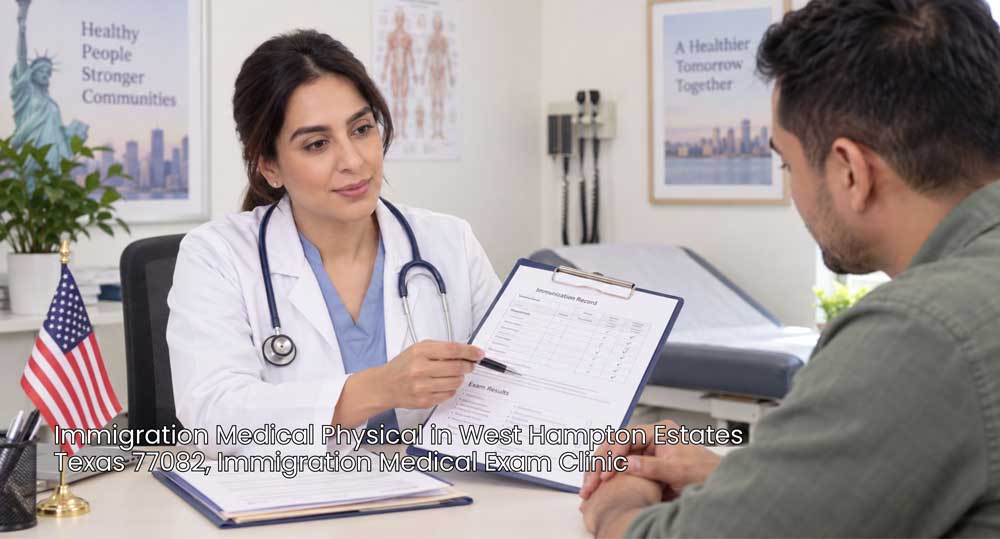
Walking into the clinic, everything feels routine—until you realize how structured the process is.
You’ll move through stations, almost like checkpoints:
- Initial registration
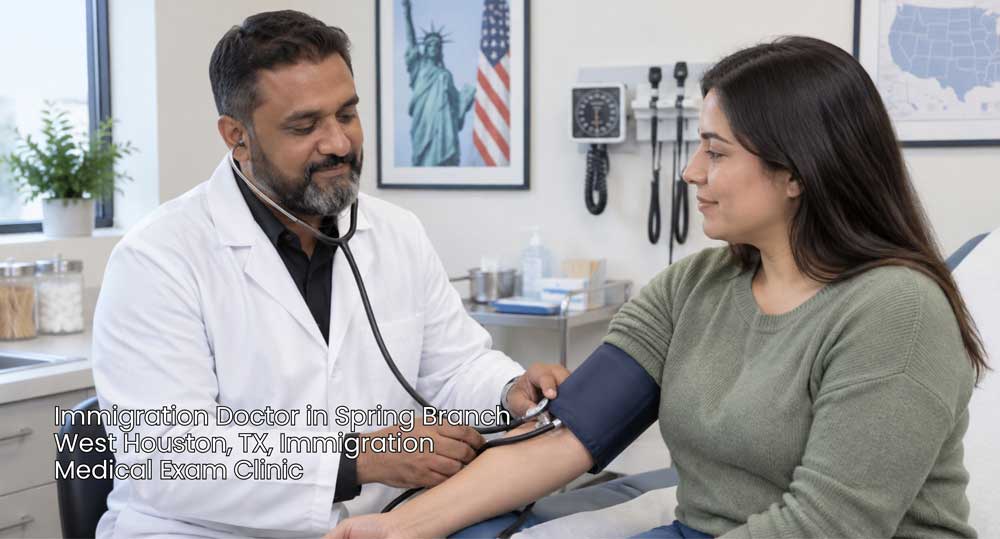
- Basic measurements (height, weight, blood pressure)
- Vision and physical exam
It’s efficient, but it’s not rushed. Each step serves a purpose, and the process is designed to ensure nothing is overlooked.
Tests You Might Not Expect
Here’s where expectations and reality can differ. Some applicants are surprised by additional screenings depending on age or requirements.
You might think, “Why this test?” But each one is tied to immigration health standards—not random decisions.
Blood Tests and X-rays Explained
Blood tests often check for infectious diseases, while chest X-rays screen for conditions like tuberculosis.
It may sound intimidating, but think of it like a security scan at the airport. It’s thorough, but it’s there to ensure safety—not to catch you off guard.
Common Mistakes People Make
Arriving Unprepared
This is the classic mistake—and the most avoidable one.
Showing up late or missing documents can disrupt your entire schedule. Clinics often run tightly timed appointments, so delays can mean rescheduling days or even weeks later.
Preparation here is like setting an alarm—you only need to do it once, but it saves you from a lot of trouble.
Misunderstanding Medical History Questions
Some people try to “simplify” their answers, thinking less detail is better. In reality, accuracy matters more.
Doctors aren’t there to judge—they’re there to document. Being honest ensures your records are complete and avoids complications later.
Think of it like filling out a legal form—precision is everything.
Choosing the Right Clinic
Why Location Matters in Briargrove Park
Location might seem like a small detail—until the day of your appointment.
Traffic, parking, and accessibility all play a role. Choosing a clinic in Briargrove Park means you’re reducing unnecessary stress on an already important day.
Convenience isn’t just about comfort—it’s about reliability.
Immigration Medical Exam Clinic Advantage
Why Immigration Medical Exam Clinic Stands Out
Choosing the right provider can transform your experience. Immigration Medical Exam Clinic is designed specifically for immigration-related evaluations, which means they understand the process inside and out.
Instead of figuring things out on your own, you’re guided step by step. From documentation checks to final results, everything is streamlined.
It’s like having a GPS instead of guessing your way through unfamiliar roads—you get where you need to go faster and with fewer wrong turns.

Costs and Hidden Fees
What’s Included in the Price
At first glance, the exam fee may seem straightforward. Typically, it covers:
- Physical examination
- Basic screenings
- Required paperwork
But like most services, the base price is just the starting point.
Unexpected Add-Ons
Here’s where budgeting becomes important.
Additional costs can include:
- Vaccinations you may need to update
- Specialized lab tests
- Follow-up visits
It’s similar to booking a flight—the ticket price looks good until you add baggage, seat selection, and extras. Planning ahead prevents surprises.
Emotional and Mental Preparation
Anxiety Before the Exam
Let’s not ignore the emotional side. Even if you’re physically prepared, the pressure of immigration requirements can create anxiety.
Questions start popping up:
“What if something goes wrong?”
“What if I missed something important?”
That’s completely normal.
How to Stay Calm and Confident
The best approach? Shift your mindset.
Instead of treating it like a test you might fail, think of it as a process you’re completing. You’re not being judged—you’re being assessed based on clear criteria.
Preparation builds confidence. And confidence reduces stress.
After the Appointment
Waiting for Results
This is the quiet phase—but often the most nerve-wracking.
Some results are immediate, while others take time. Waiting can feel like watching a loading screen with no progress bar.
But remember, no news is often just part of the process—not a sign of a problem.
What Happens Next in Your Immigration Process
Once your results are ready, they’re either submitted directly or handed to you in a sealed envelope.
This step is crucial—it moves your application forward. Think of it as unlocking the next level in your immigration journey.
Tips Nobody Tells You
Insider Advice to Save Time and Stress
Here’s the kind of advice people usually learn the hard way:
- Bring both digital and physical copies of documents
- Double-check requirements the day before
- Eat lightly and stay hydrated
- Dress comfortably for easy examination
And one underrated tip? Arrive early and observe. Sometimes, just understanding the flow of the clinic can make you feel more in control.
Immigration Medical Exam Clinic Serving the Briargrove Park Community and Beyond in Houston
Immigration Medical Exam Clinic is dedicated to serving the diverse needs of the local community of Houston, including individuals residing in neighborhoods like Briargrove Park. With its convenient location near landmarks such as the Frostwood Elementary School and major intersections like Gessner Rd and Memorial Dr (coordinates: 29.761660090678237, -95.54560830466387), we offer USCIS immigration medical exam services.
Get USCIS Immigration Medical Exam Services at Briargrove Park Now
Call Us Now
Navigate from Briargrove Park to Immigration Medical Exam Clinic Now
Conclusion
The immigration medical exam isn’t complicated—but it is layered. Each step, each requirement, and each document plays a role in your journey.
What makes the difference isn’t luck—it’s preparation.
By understanding what to expect, choosing a reliable clinic like Immigration Medical Exam Clinic in Briargrove Park, and approaching the process with clarity, you turn uncertainty into confidence.
And once it’s done? You’re one big step closer to your goal.
FAQs
1. How long does an immigration medical exam take?
Most exams take between 1–2 hours, though additional tests can extend the visit.
2. Do I need to fast before the exam?
Not always, but it’s best to confirm beforehand to avoid surprises.
3. What happens if I fail the medical exam?
You don’t “fail” in the traditional sense—some conditions just require treatment or follow-up.
4. Can I choose any doctor for the exam?
No, only authorized clinics like Immigration Medical Exam Clinic can perform these exams.
5. How long are the results valid?
Typically up to 6 months, depending on immigration rules.