Why USCIS Requires a Medical Physical for Immigration Cases
January 19, 2026
For many immigrants, the USCIS medical physical feels like an unexpected checkpoint in an already complex journey. You may have gathered documents, paid fees, attended interviews, and waited months—sometimes years—only to be told you must now undergo a medical exam. Naturally, the question arises: Why does my health matter so much in an immigration case?
The answer is rooted in public responsibility and long-term integration. Immigration is not just about crossing a border; it’s about becoming part of a shared social ecosystem. Schools, workplaces, public transportation, and healthcare systems all rely on collective health standards. The USCIS medical physical exists to ensure that new permanent residents can join society safely and sustainably.
When handled through a professional Immigration Medical Exam Clinic in Tanglewood, the process is not intimidating or invasive. Instead, it becomes a structured, predictable step—one designed to protect both the applicant and the community they are joining.
Understanding the USCIS Immigration Process
To understand the medical exam’s importance, it helps to look at how USCIS evaluates immigration applications as a whole.
What Is USCIS and What Does It Do?
U.S. Citizenship and Immigration Services (USCIS) is the federal agency responsible for overseeing lawful immigration to the United States. Its role is to ensure that every applicant meets the legal standards established by U.S. immigration law before receiving immigration benefits.
USCIS evaluates multiple factors, including:
- Identity verification
- Immigration and travel history
- Criminal and national security background
- Financial sponsorship and self-sufficiency
- Medical admissibility
Think of USCIS as a quality-control system. Each requirement exists to reduce risk and ensure fairness. The medical exam is one piece of that system—focused specifically on health-related considerations that could affect public safety or healthcare infrastructure.
Why Health Matters in Immigration Decisions
Health is not a private issue when people live and work together. An untreated communicable disease can spread silently through offices, classrooms, or households. USCIS medical requirements are designed to identify risks early, when they are easier and less costly to manage.
A helpful analogy is airport security screening. Most travelers pose no risk, yet screening exists to protect everyone. Similarly, immigration medical exams exist not because immigrants are unhealthy, but because prevention protects everyone.
What Is an Immigration Medical Physical?
The immigration medical physical is often misunderstood as a high-pressure test. In reality, it is a standardized health screening with a very narrow scope.
Definition and Purpose of the Medical Exam
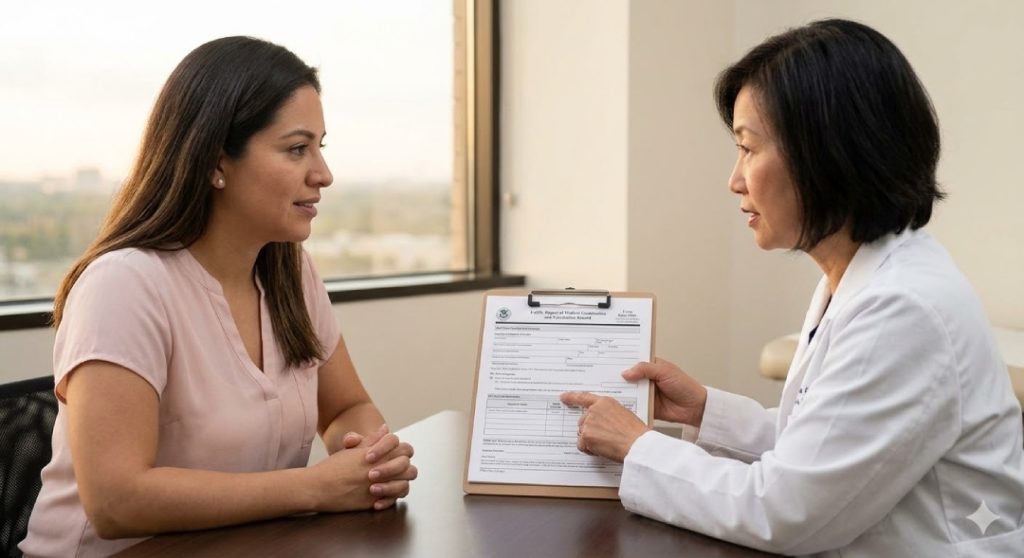
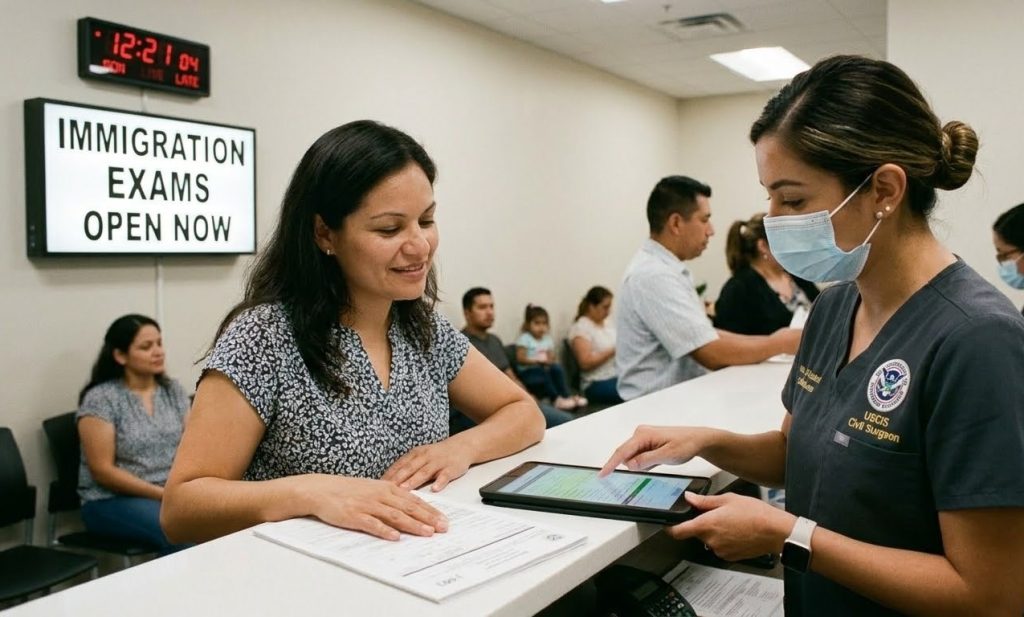
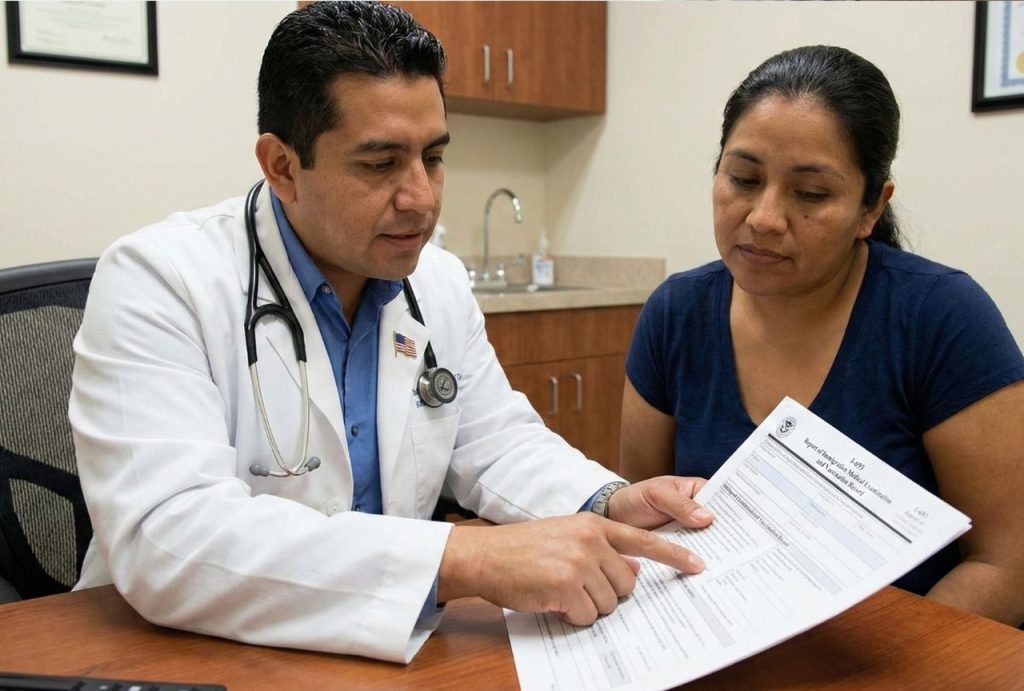
The immigration medical exam is performed by a USCIS-designated civil surgeon and documented on Form I-693. Its purpose is to determine whether the applicant has any medical condition that falls under health-related grounds of inadmissibility defined by law.
It is not intended to:
- Diagnose unrelated illnesses
- Judge overall health or lifestyle
- Deny care or treatment
Instead, it focuses only on conditions identified by USCIS and CDC guidelines.
Who Is Required to Take the Medical Exam
Most applicants seeking lawful permanent residence (a green card) must complete the exam.
Applicants Adjusting Status Inside the U.S.
Applicants already in the U.S. must submit a completed and properly sealed Form I-693. Errors, missing signatures, or expired exams are among the most common reasons for USCIS delays, making accuracy critical.
Immigrants Applying From Outside the U.S.
Applicants abroad complete a similar exam through U.S.-approved panel physicians. This ensures that health standards are consistent regardless of country of origin.
Legal Basis for the USCIS Medical Requirement
The medical exam requirement is firmly grounded in federal law.
Immigration and Nationality Act (INA) Explained
The Immigration and Nationality Act (INA) outlines specific health-related grounds of inadmissibility. These laws exist to ensure immigration decisions are based on objective standards rather than personal discretion.
The INA ensures:
- Equal treatment across cases
- Clear legal boundaries
- Protection of public health
How the CDC Influences Immigration Health Rules
The Centers for Disease Control and Prevention (CDC) provides medical guidelines used during immigration exams. These guidelines are updated as medical science evolves, ensuring decisions are based on evidence—not outdated fears.
Public Health Protection: The Primary Purpose
Public health is the foundation of the immigration medical exam.
Preventing the Spread of Communicable Diseases
Diseases like active tuberculosis can spread without obvious symptoms. Screening allows early detection and treatment, reducing the risk of outbreaks and protecting healthcare systems from avoidable strain.
Maintaining Community Health and Safety
Communities function best when everyone meets basic health standards. Immigration medical exams help ensure that new residents can safely participate in shared spaces like schools, public transportation, and workplaces.
Why Prevention Is Better Than Treatment
Preventing disease costs far less—financially and socially—than treating widespread illness later. USCIS medical exams prioritize early action over emergency response.
Conditions Screened During the USCIS Medical Exam
Many applicants fear this section unnecessarily.
Communicable Diseases of Public Health Significance
Only a very limited list of CDC-defined conditions is relevant. Most chronic conditions—such as diabetes, hypertension, or asthma—do not affect admissibility.
Physical and Mental Health Conditions
USCIS does not deny applicants simply for having medical or mental health diagnoses.
How Harmful Behavior Is Evaluated
The focus is on whether a condition is associated with current harmful behavior, not the diagnosis itself. Stability, treatment compliance, and medical documentation are key factors.
Drug Abuse and Addiction Screening
USCIS differentiates between active substance abuse and past use. Applicants who demonstrate recovery and treatment history are often viewed favorably.
What Happens During the Immigration Medical Exam
Knowing what to expect removes fear.
Medical History Review Process
The civil surgeon reviews medical history, medications, and prior treatments. Honesty ensures accurate documentation and prevents follow-up delays.
Physical Examination Overview
The physical exam is brief and routine—similar to a standard annual checkup. It is not invasive or painful.
Laboratory Tests and Required Vaccinations
Lab tests and vaccines are required only when USCIS guidelines apply.
Common Tests Applicants Should Expect
These may include blood tests and tuberculosis screening, depending on age and medical history.
Why USCIS Requires Designated Civil Surgeons
Accuracy is critical in immigration cases.
Role of USCIS-Authorized Civil Surgeons
Civil surgeons are specially trained and authorized to conduct immigration exams and properly complete Form I-693.
Ensuring Accuracy and Legal Compliance
Using a non-authorized provider often results in rejected forms or Requests for Evidence (RFEs). A designated civil surgeon reduces these risks.
Immigration Medical Exam Clinic
Immigration Medical Exam Clinic in Tanglewood
A trusted Immigration Medical Exam Clinic near Tanglewood combines medical expertise with administrative precision, ensuring USCIS compliance and patient confidence.
Benefits of Choosing a Local USCIS Medical Provider
Local clinics understand regional USCIS trends and common documentation issues.
Convenience, Speed, and Familiarity With USCIS
Local experience often means faster appointments, fewer errors, and smoother processing.
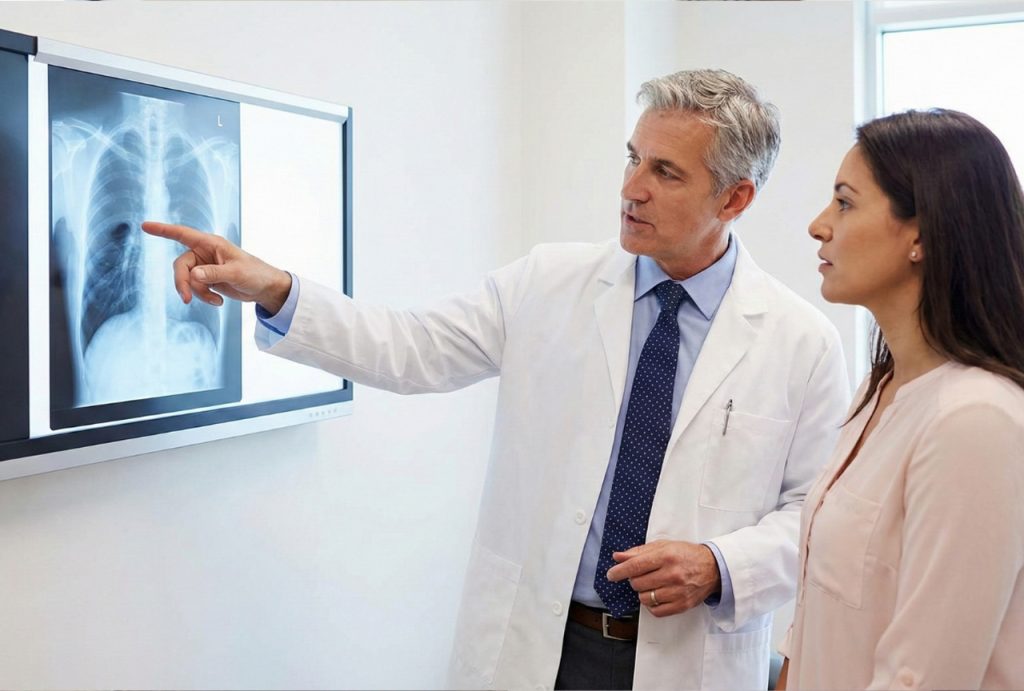
Common Myths About Immigration Medical Exams
Misinformation creates unnecessary fear.
Myth: Failing the Exam Means Automatic Denial
In reality, most applicants with medical findings are approved after treatment or additional documentation.
Myth: The Exam Is Painful or Invasive
The exam is professional, standardized, and far less intimidating than rumors suggest.
How Medical Exams Affect Immigration Outcomes
The medical exam supports your application.
Understanding Medical Inadmissibility
Only conditions specifically listed in immigration law can raise concerns, and many have solutions.
Medical Waivers and Additional Documentation
When USCIS Allows Exceptions
USCIS may allow waivers or request additional documentation rather than deny an application outright.
How to Prepare for Your USCIS Medical Physical
Preparation minimizes stress.
Documents to Bring to Your Appointment
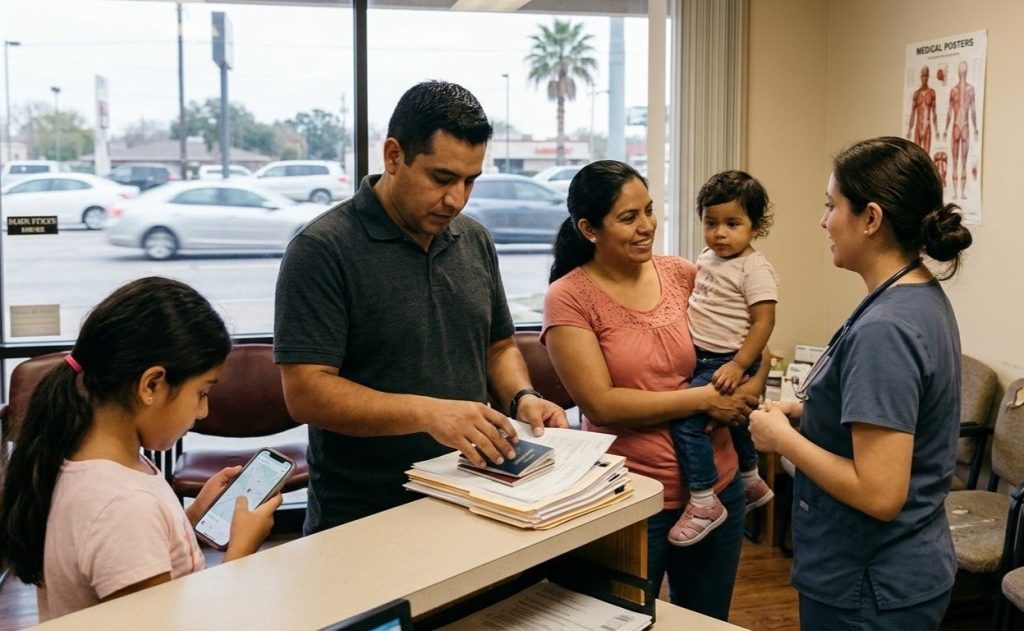
Bring identification, vaccination records, and USCIS notices to avoid delays.
Practical Tips for a Smooth Medical Exam
What to Do Before and After the Exam
Follow instructions, arrive early, and keep copies of all documents.
Why Timing Your Immigration Medical Exam Matters
Timing can affect your entire case.
Validity Period of Form I-693
Medical exams expire. Scheduling strategically helps avoid repeat exams.
Avoiding Delays and Repeat Exams
Proper timing protects your budget and application timeline.
Immigration Medical Exam Clinic Serving the Tanglewood Community and Beyond in Houston
Immigration Medical Exam Clinic is dedicated to serving the diverse needs of the local community of Houston, including individuals residing in neighborhoods like Tanglewood. With its convenient location near landmarks such as the Saint Philip Presbyterian Church and major intersections like Guilford Ct and Post Oak Blvd (coordinates: 29.74368011856056, -95.46273643221754), we offer USCIS immigration medical physical services.
Get USCIS Immigration Medical Physical at Tanglewood Now
Call Us Now
Navigate from Tanglewood to Immigration Medical Exam Clinic Now
Why the Medical Exam Is a Protective Measure, Not a Barrier
The USCIS medical physical is not a tool of exclusion—it is a safeguard. It helps protect public health, ensures fair immigration decisions, and supports successful long-term integration.
When completed through a reliable Immigration Medical Exam Clinic in Tanglewood, the exam becomes a smooth, predictable step toward lawful permanent residence and a healthier future in the United States.
FAQs
1. Is the USCIS Medical Exam Mandatory for All Applicants?
Yes, most green card applicants must complete it.
2. Can a Medical Condition Delay My Green Card?
Some conditions require follow-up, but denial is rare.
3. How Long Does the Immigration Medical Exam Take?
Usually 30–60 minutes.
4. Are Vaccinations Required for Immigration?
Yes, unless a qualifying exemption applies.
5. Why Choose an Immigration Medical Exam Clinic in Tanglewood?
Local expertise, faster processing, and USCIS familiarity make a meaningful difference.