Why an Immigration Medical Physical Is Required
November 12, 2025
Understanding the Purpose Behind Immigration Medical Exams
Immigrating to the United States is a major life decision, and the process is packed with various steps, documents, and requirements. But one particular requirement—the immigration medical physical—tends to raise a lot of questions. Many applicants feel confused or nervous about it, wondering why the government needs such a detailed health exam.
The truth is, the immigration medical physical serves a bigger purpose than simply checking your health. It acts as a protective gateway for both the immigrant and the nation, ensuring that the process is safe, standardized, and aligned with long-established public health policies.
Think of it this way: just like you wouldn’t move into a new home without checking that the foundation is strong, the U.S. doesn’t finalize immigration approvals without ensuring that applicants meet certain minimum health standards. Your health is the foundation of your immigration journey—stable, necessary, and nonnegotiable.
The Role of Public Health in Immigration Requirements
Public health is one of the central pillars of modern societies. To function smoothly, communities rely on people being protected against dangerous infectious diseases. The immigration medical physical is designed to uphold these standards.
Over decades, the government has identified certain communicable diseases that could pose serious public health risks if introduced by newly arriving residents. The exam is meant to screen for these conditions proactively, not to stigmatize applicants.
Imagine a school requiring all children to be vaccinated before enrolling. The goal isn’t to exclude anyone—it’s to protect everyone. That’s how the U.S. government views this requirement, just on a larger scale.
How the Exam Supports Legal Immigration Processes
The immigration medical physical has another equally important role: keeping your immigration application moving smoothly. USCIS uses this exam to verify you meet health-related admissibility standards. Without it, even if you perfectly complete every form, your application could be delayed, denied, or sent back for corrections.
In many ways, the medical exam functions like a safety check in a car inspection. You can have a beautiful vehicle with brand-new tires and fresh paint, but if the engine fails the inspection, you’re not legally allowed on the road. The same idea applies here: the immigration medical exam ensures all applicants meet the country’s baseline health criteria.
What Exactly Is an Immigration Medical Physical?
Many people assume the immigration medical physical is similar to a routine check-up, but it’s far more specialized. The process is guided by specific federal laws and USCIS requirements, meaning everything—from who performs the exam to what tests are conducted—is carefully regulated.
Authorized Civil Surgeons and USCIS Standards
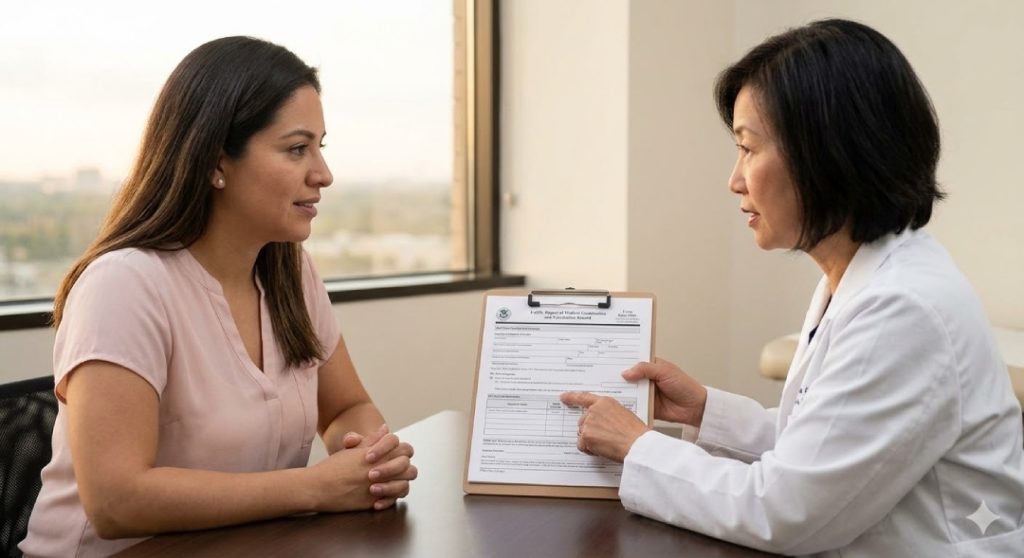
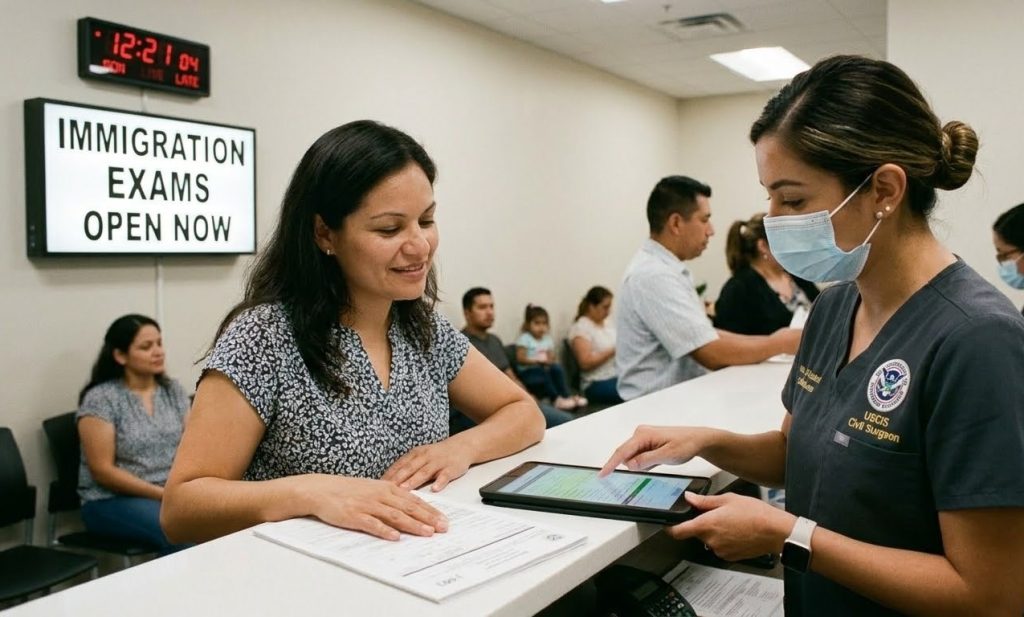
Not just any doctor can perform the immigration medical exam. Only a USCIS-designated civil surgeon is authorized to conduct the evaluation and complete Form I-693. These doctors must follow a strict protocol set by the CDC and USCIS.
Using a non-authorized doctor is one of the most common and costly mistakes applicants make. USCIS will reject the I-693 if it’s not signed by a certified civil surgeon, sometimes forcing applicants to repeat the entire exam.
Choosing the right provider is crucial. It’s similar to hiring a licensed contractor for a building project: even if someone else is cheaper, using the wrong person puts the entire project at risk. The civil surgeon ensures everything is done the right way the first time.
Key Components of the Medical Examination
The immigration medical exam consists of several core components, each designed to evaluate a different area of your health. Together, they paint a full picture of your physical and mental readiness for immigration.
Vaccination Review
Your civil surgeon reviews your immunization records and compares them to the vaccines required by immigration law, such as:
- MMR
- Varicella
- Tdap
- Hepatitis B
- Influenza (seasonal)
- COVID-19 (when required)
If you’re missing any vaccines, don’t panic. The clinic can administer them during your visit or guide you on where to get them. Missing vaccinations are extremely common and rarely cause delays as long as they’re taken care of promptly.
This part of the exam works like updating a passport: just as you need all the right stamps to enter a country, you need the correct vaccinations to complete your immigration journey.
Physical Examination
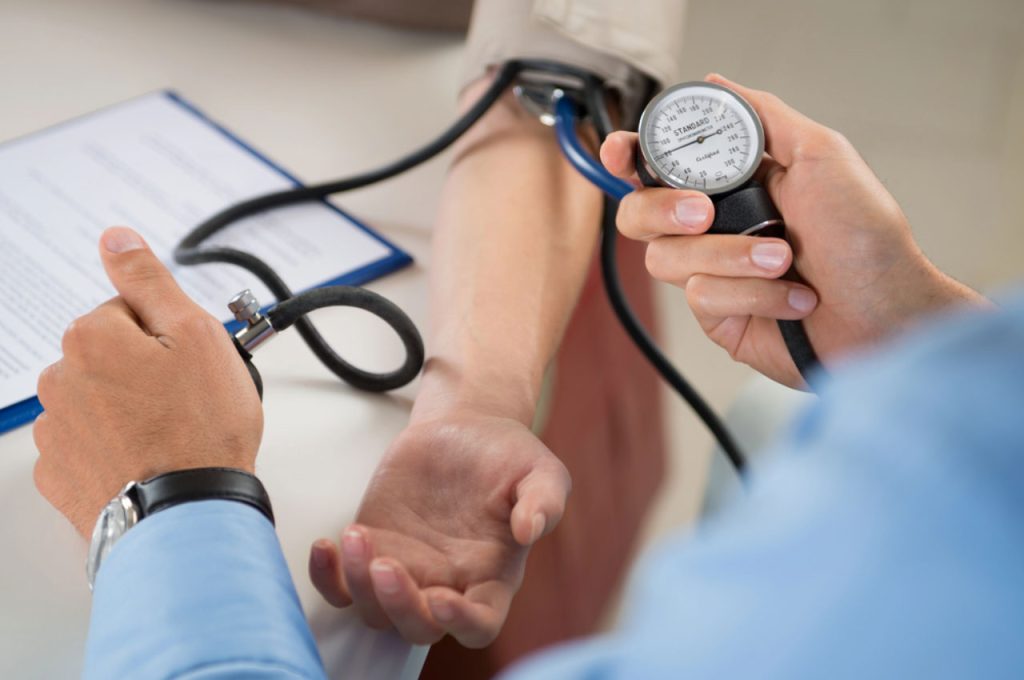
The physical exam is comprehensive but not intimidating. It includes:
- Heart and lung check
- Blood pressure
- Height and weight
- Skin evaluation
- Abdomen assessment
- General health review
Civil surgeons are trained to make the process comfortable and respectful, especially for applicants who may be nervous or unsure of what to expect.
Laboratory Testing
Lab tests check for specific communicable diseases identified by U.S. public health authorities. These include:
- Tuberculosis screening: blood test, chest X-ray if necessary
- Syphilis: blood test
- Gonorrhea: urine test
These tests aren’t judgment-based—they’re about safety and standardization. For example, TB screening helps detect active cases early, which protects both the applicant and the community.
Mental Health Evaluation
The mental health review is not an invasive psychological examination. Instead, the civil surgeon screens for conditions associated with harmful behavior or safety issues. This step ensures applicants are stable enough to enter the U.S. without posing risks to themselves or others.
Think of it as a quick safety check—not a diagnosis session.
Why the U.S. Government Requires the Exam
Understanding the reasoning behind the requirement helps make the entire process less stressful. The immigration medical physical isn’t random—it is part of a long-standing national strategy built on public health and safety.
Screening for Communicable Diseases of Public Health Significance
The U.S. government maintains a list of communicable diseases considered serious public health threats. These include:
- Tuberculosis
- Syphilis
- Gonorrhea
- Certain conditions requiring quarantine
Detecting these issues early ensures applicants receive proper treatment and reduces the risk of outbreaks.
Imagine someone moving into a new apartment complex. Before unpacking, maintenance might check for plumbing issues, not to blame the tenant but to avoid a major leak that affects everyone. The medical exam functions the same way for public health.
Ensuring Applicants Meet Vaccination Requirements
Vaccines protect communities from preventable diseases such as measles, mumps, rubella, and polio. The immigration medical exam ensures applicants meet the recommended vaccination schedule, contributing to what public health experts call herd immunity.
Strong herd immunity protects entire neighborhoods—including Bellaire—from potential outbreaks.
Evaluating Substance Use and Mental Health Concerns
Under U.S. immigration law, certain behavioral health concerns may affect admissibility. The medical exam helps identify:
- Harmful substance use
- Conditions associated with dangerous behavior
- Untreated mental health disorders that pose risks
These evaluations aren’t intended to disqualify applicants. Instead, they ensure that serious conditions are properly understood and documented.
The Connection Between Public Safety and Immigration Health Policies
Public safety and public health are deeply interconnected. When communities are protected from preventable diseases, they thrive economically, socially, and culturally.
Protecting Communities in Bellaire and Across the U.S.
Bellaire is a diverse, vibrant community where families from around the world build their lives. The immigration medical exam helps maintain the stability and safety of the community by ensuring new residents are healthy and prepared to integrate into everyday life.
Healthy residents mean fewer outbreaks, fewer healthcare burdens, and stronger community well-being.
Preventing the Spread of Preventable Diseases
The exam plays a key role in reducing the spread of diseases that can be easily prevented through vaccines or early treatment. This benefits:
- Schools
- Workplaces
- Hospitals
- Local businesses
- Public transportation
A single unchecked case of a contagious disease could impact hundreds of people—so prevention is essential.
How the Immigration Medical Physical Supports Your Application
Beyond health, the immigration medical exam helps eliminate unnecessary delays in your application process.
Avoiding Delays and Requests for Evidence (RFEs)
RFEs are one of the most frustrating setbacks in the immigration process. They extend timelines, slow processing, and increase stress. A properly completed medical exam significantly reduces the chance of receiving an RFE.
When the I-693 is completed correctly by a civil surgeon who understands USCIS rules, your case moves forward more smoothly.
Ensuring Compliance With USCIS Requirements
USCIS uses the medical exam to confirm you meet all health-related criteria. Missing this exam—or submitting an incomplete I-693—can halt your entire case.
Completing it early helps keep your immigration timeline predictable and manageable.
What to Expect During Your Appointment
Knowing what will happen during your appointment helps reduce anxiety and makes the entire process easier.
Preparation Before the Exam
You don’t need to fast for the exam, but proper preparation helps:
- Bring your eyeglasses or contacts
- Take your regular medications
- Review your medical and vaccination records
- Get plenty of rest the night before
Think of it as preparing for a job interview—you want to be organized and ready.
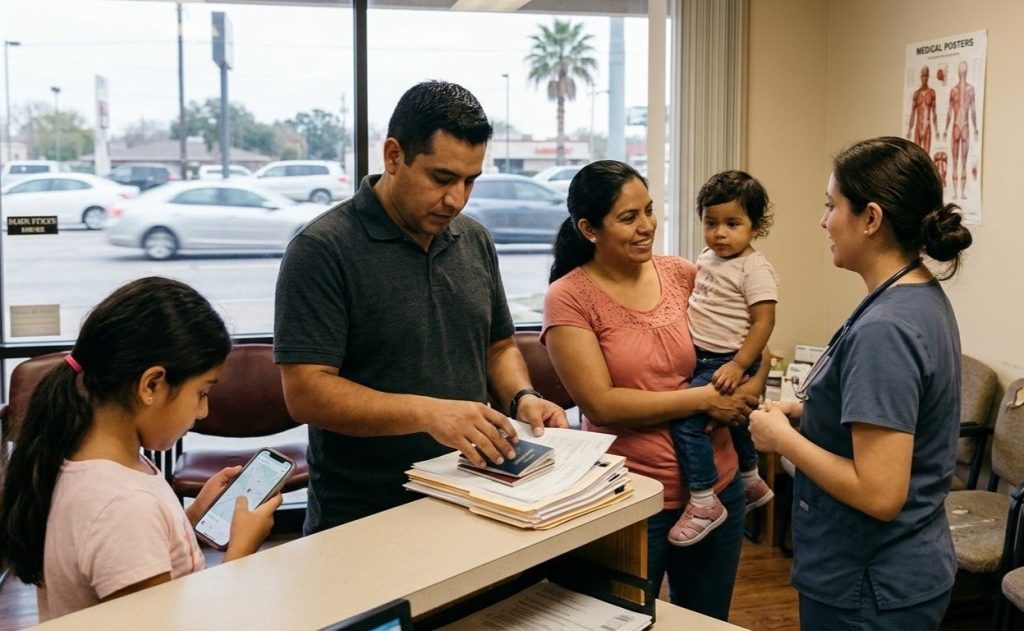
Documentation You Must Bring
To avoid delays, bring:
- Passport or government-issued ID
- Vaccination records
- Any previous medical treatment documents
- Form I-693 (optional if you prefer the clinic to provide it)
Bringing complete records is one of the easiest ways to ensure a smooth appointment.
How Long the Entire Process Takes
The exam generally lasts 30–60 minutes, depending on your medical history and whether vaccines are needed. Lab results may take additional time, and your sealed I-693 is provided once everything is finalized.
Using Immigration Medical Exam Clinic in Bellaire
Why Choosing the Right Clinic Matters
USCIS requires accuracy and precision. A small clerical error or incomplete form can delay your application for months. That’s why choosing the right immigration medical provider is essential.
Experience matters. A civil surgeon who regularly handles USCIS medical exams can help prevent costly mistakes.
Benefits of Selecting Immigration Medical Exam Clinic
Immigration Medical Exam Clinic in Bellaire is trusted for:
- USCIS-certified civil surgeons
- Clear guidance on required vaccines
- Fast document processing
- Clean, professional environment
- Transparent pricing
Their team’s experience means your exam is completed correctly the first time, saving you time, money, and stress.
Cost, Insurance, and Payment Considerations
Understanding the Exam Fee Structure
The immigration medical exam includes several components, each affecting the overall price:
- Physical examination
- Lab tests
- Vaccinations
- Completed and sealed I-693 packet
Prices vary based on missing vaccines or additional medical needs, but reputable clinics provide straightforward pricing.
What Insurance Does and Doesn’t Cover
Many insurance plans do not cover the immigration medical exam itself, but they may cover:
- Vaccinations
- Blood tests
- TB testing
It’s always wise to confirm with your insurance provider before your appointment.
Common Myths About Immigration Medical Exams
“The Exam Is Meant to Reject People”
This is one of the biggest myths. The exam is designed to help applicants meet health standards, not to disqualify them. Only a small number of conditions lead to inadmissibility—and many can be resolved with proper treatment.
“The Doctor Can Influence Your Immigration Status”
Doctors do not decide immigration outcomes. They simply complete the medical portion. USCIS makes the final decision based on lawful guidelines.
Tips to Successfully Complete Your Immigration Medical Physical
Prepare Your Vaccination Records Early
Missing vaccination records slow the process. Even partial documentation helps. If you grew up in another country, consider contacting local clinics, hospitals, or family members for old records.
Avoid Common Paperwork Mistakes
Double-check all your:
- Names
- Dates
- Passport numbers
- Signatures
A single mismatch can delay your application.
Immigration Medical Exam Clinic Serving the Bellaire Community and Beyond in Houston
Immigration Medical Exam Clinic is dedicated to serving the diverse needs of the local community of Houston, including individuals residing in neighborhoods like Bellaire. With its convenient location near landmarks such as the Bellaire-Zindler Park and major intersections like Evergreen St and Frerris Dr (coordinates: 29.698716057656203, -95.47310353369559), we offer immigration medical physical services.
Get Immigration Medical Physical in Bellaire Now
Call Us Now
Navigate from Bellaire to Immigration Medical Exam Clinic Now
Conclusion
The immigration medical physical is a major milestone in your journey toward becoming a permanent resident of the United States. While it may seem intimidating at first, understanding its purpose helps put everything into perspective.
The exam protects public health, ensures compliance with federal requirements, supports your application, and promotes the safety and well-being of communities like Bellaire.
By choosing a trusted provider such as Immigration Medical Exam Clinic, you’re ensuring that one of the most important steps in your immigration journey is handled with professionalism, accuracy, and care.
With the right preparation and understanding, the process becomes smooth, manageable, and stress-free—bringing you one step closer to your new life in the United States.
FAQs
1. How long is the immigration medical exam valid for?
Typically, the completed Form I-693 is valid for two years as long as it is submitted within 60 days of the civil surgeon’s signature.
2. What if I don’t have any vaccination records?
You may still complete the exam. The civil surgeon can administer necessary vaccines or perform blood tests to verify immunity.
3. Can I open my sealed I-693 envelope?
No. USCIS requires the envelope to remain sealed. Opening it invalidates the exam.
4. When is the best time to schedule the exam?
It’s wise to schedule your exam early in the immigration process so any vaccine updates or lab results can be completed on time.
5. How long does the entire process take?
Most appointments last 30–60 minutes, though lab results and paperwork completion may take additional days.