Why the Immigration Medical Physical Matters
November 18, 2025
Understanding the Immigration Medical Exam
What Is an Immigration Medical Physical?
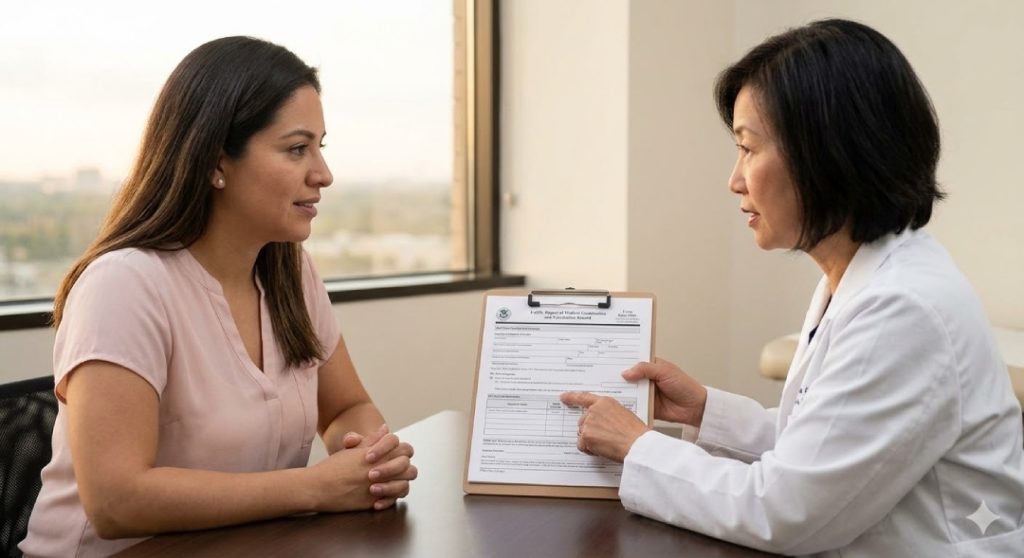
An immigration medical physical is a comprehensive health evaluation required by the United States Citizenship and Immigration Services for certain applicants. Unlike a routine doctor’s visit, this examination follows strict federal guidelines to determine if an applicant meets the health standards set by USCIS.
Think of it like a quality control check for entering a new country. Just as an airport checks your luggage for prohibited items, the medical exam checks your health to ensure you won’t bring risks to yourself or the community. This exam is not just a formality; it is a vital step in safeguarding both your future and public health.
Who Needs This Exam?
Not everyone needs an immigration medical physical, but if you are applying for a green card, adjusting your status, or certain employment-based visas, this exam is mandatory. Children, adults, and elderly applicants all must comply.
For example, a young adult applying for permanent residency and a family relocating from abroad with elderly grandparents will both require the exam. USCIS mandates it as part of the application process to maintain consistency and public safety. Essentially, if your goal is to legally settle or work in the U.S., this exam is unavoidable.
Why It’s Mandatory for Immigration
The medical exam serves multiple purposes. It protects public health by screening for infectious diseases such as tuberculosis, syphilis, and other communicable illnesses. It ensures your vaccinations are up to date and identifies chronic conditions that may require ongoing care.
Consider the exam as a health checkpoint. It’s not just about your own wellbeing—it safeguards families, communities, and society at large. By identifying potential health issues early, the exam helps prevent the spread of diseases and reduces the risk of sudden medical emergencies after arrival in the U.S.

The Role of Immigration Medical Exam Clinic in Meyerland Area
Comprehensive Medical Screening
The Immigration Medical Exam Clinic provides a one-stop solution for applicants in the Meyerland area. Their comprehensive medical screening covers everything required by USCIS, including physical exams, lab tests, vaccinations, and mental health assessments.
For instance, during a single visit, you can get a complete blood panel, chest X-ray for tuberculosis, and necessary vaccines. This holistic approach prevents multiple visits and ensures all documentation is properly completed for USCIS submission.
Experienced and Licensed Physicians
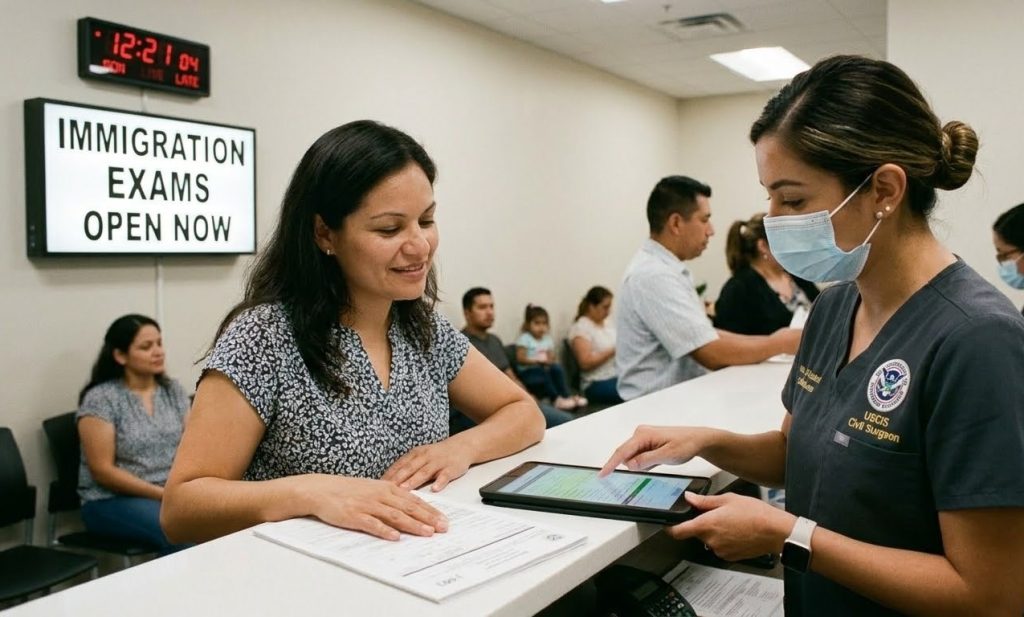
The clinic employs licensed physicians and civil surgeons trained specifically for immigration exams. Their expertise ensures accurate results and adherence to USCIS standards.
Imagine having a skilled tour guide on a complex journey—their knowledge helps you navigate the requirements without confusion or mistakes. With experienced professionals, you are less likely to encounter delays due to incomplete forms or incorrect documentation.
Streamlined Scheduling for Busy Applicants
Life is busy, and immigration applicants often juggle work, family, and relocation preparations. The clinic understands this and offers flexible appointment times, including early morning and late evening slots.
This convenience is crucial. For example, a working parent or student can schedule the exam without disrupting their daily routine, making the process much more manageable. The clinic’s focus on efficiency ensures that applicants can complete their exams without stress or unnecessary delays.
Key Components of the Immigration Medical Physical
Physical Examination Overview
The physical examination is the heart of the immigration medical exam. It involves evaluating your overall health and detecting any conditions that could impact your application.
Vital Signs and General Health
The first step in the physical exam is checking vital signs such as height, weight, blood pressure, heart rate, and temperature. These measurements provide a quick snapshot of your overall health.
Think of it as a car’s dashboard—if the warning lights show an issue, further inspection is needed. Similarly, unusual readings can prompt additional tests to ensure nothing critical is overlooked.
Organ System Assessment
After basic measurements, the physician examines organ systems, including the heart, lungs, liver, kidneys, and more. They check for functional issues or abnormalities that might require treatment or monitoring.
For instance, an undiagnosed heart murmur or liver condition could affect your ability to meet health requirements. Early detection allows for proper care while ensuring compliance with immigration regulations.
Vaccination Review and Requirements
Vaccinations are a critical part of the exam. USCIS requires proof of immunizations for diseases like measles, mumps, rubella, polio, influenza, and hepatitis. The clinic reviews your vaccination history and administers any missing doses.
Think of vaccines as a protective shield. Without it, your application could be delayed, and your health could be at risk. Ensuring your vaccinations are up to date not only meets USCIS requirements but also protects your health in a new country.
Lab Tests and Screenings
Blood Work
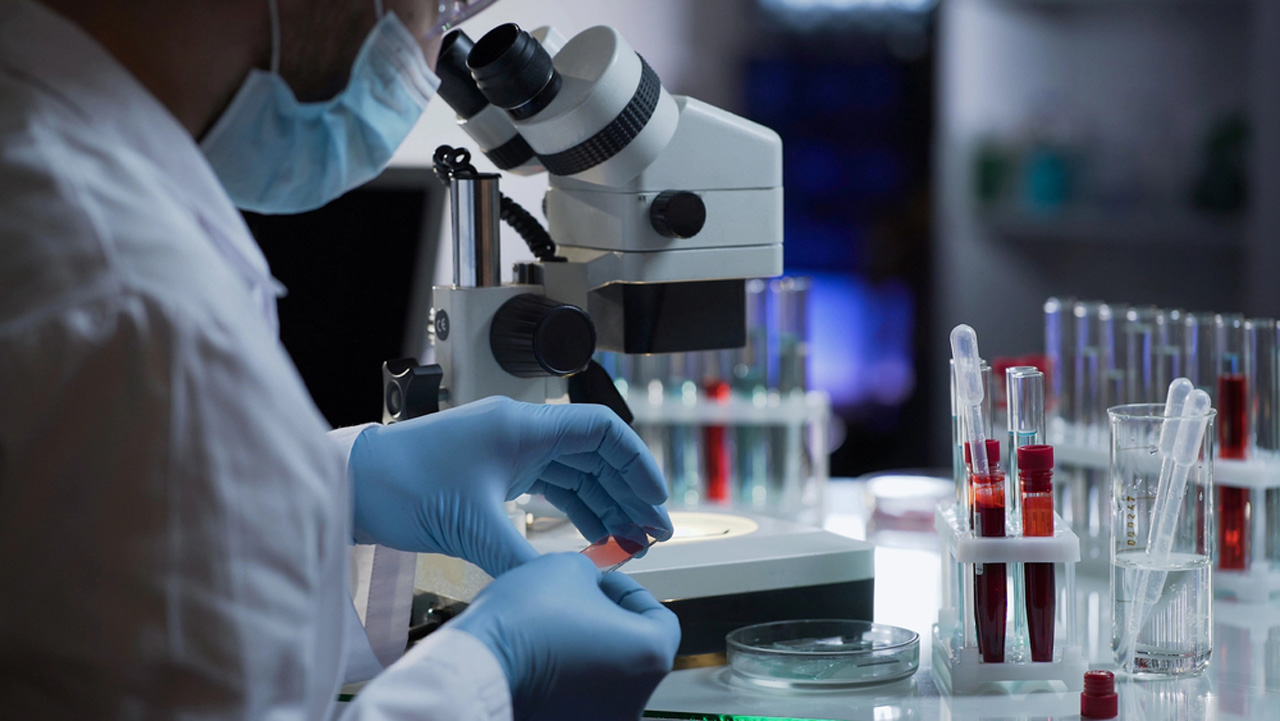
Blood tests are conducted to detect infections, anemia, or other underlying conditions. These results give physicians a detailed understanding of your overall health. For example, they might reveal vitamin deficiencies or early-stage diseases that require attention.
TB and Other Infectious Disease Testing
Tuberculosis testing is mandatory, typically using a chest X-ray or skin test. Other screenings may include syphilis or hepatitis, depending on your age and medical history. These tests prevent the spread of contagious diseases and are essential for public safety.
Common Health Conditions Checked During the Exam
Chronic Diseases and Their Impact
Chronic conditions like diabetes, hypertension, or heart disease are carefully documented during the exam. Having a chronic disease does not automatically disqualify you, but it informs USCIS about your health management and potential needs.
For example, applicants with controlled diabetes may still qualify as long as they have a treatment plan. The key is transparency and proper documentation to avoid delays or complications.
Mental Health Screening Importance
Mental health assessments are also part of the exam. Physicians screen for disorders that could pose a risk to yourself or others. While the evaluation is brief, it is crucial for holistic health care and ensures you are well-prepared for your new life in the U.S.
Consider it like checking the foundation of a house before building—it ensures stability and long-term wellbeing. Addressing mental health early can also help you adjust to a new environment more smoothly.
Preparing for Your Immigration Medical Physical
Documentation Needed
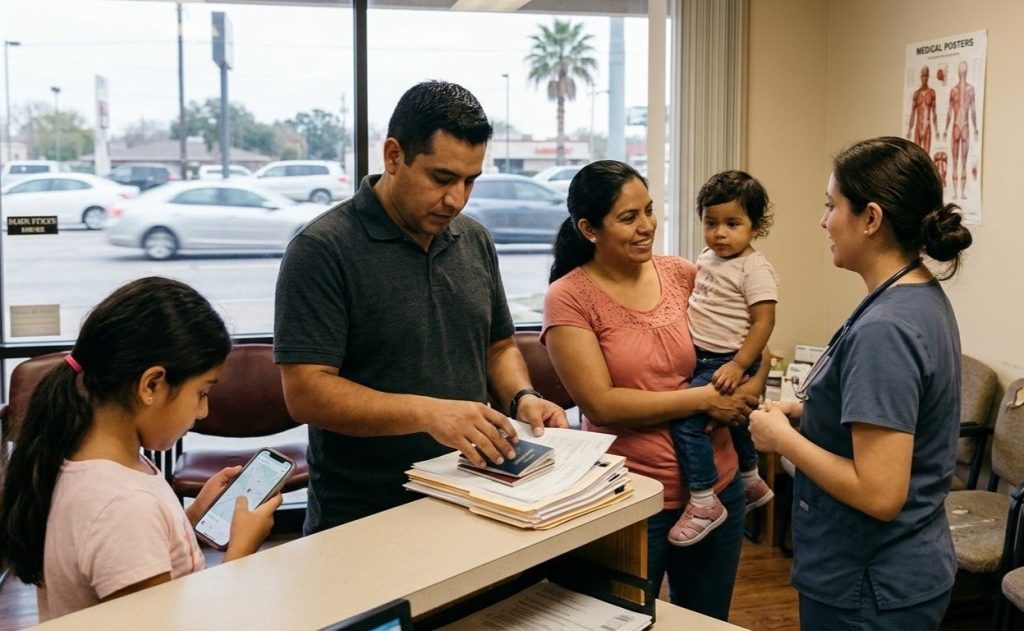
Proper documentation is essential for a smooth exam. Applicants should bring their passport, previous vaccination records, medical history, and a list of current medications.
Being organized is like packing efficiently for a trip—you avoid delays, missing items, and unnecessary stress. The clinic staff can guide you if any documentation is missing or incomplete.
Tips to Make Your Exam Smooth
Preparation can make a significant difference. Eat a healthy meal, stay hydrated, wear comfortable clothing, and arrive on time. Think of it as prepping for an important appointment where your cooperation makes the process faster and more effective.
Additionally, be honest about your medical history. Concealing information can lead to delays or complications with USCIS processing. Full disclosure ensures accurate documentation and a smoother approval process.
Consequences of Failing or Delaying the Exam
Immigration Delays and Legal Implications
Failing to complete the exam on time can delay your immigration application by months. USCIS requires an updated medical exam for processing, so any lapse can put your application on hold.
For example, a family applying for permanent residency might face a hold on their visa processing if one member misses the exam. Timely completion ensures your application moves forward without unnecessary interruptions.
Health Risks to the Applicant and Community
Beyond paperwork, missing or delaying the exam increases health risks. Undiagnosed infections or unmanaged conditions could affect not only you but also those around you.
The exam serves as a preventive measure, ensuring that your move to the U.S. is safe and healthy for both you and the community. It’s a small investment in time for a significant benefit to public health.
Immigration Medical Exam Insights: What You Should Know
How Long Does the Exam Take?
Most exams take one to two hours, depending on your age, health history, and required lab tests. If additional vaccinations or follow-ups are needed, the process may take slightly longer.
Can Children and Elderly Be Examined Easily?
Yes. The Immigration Medical Exam Clinic adapts the exam process for all age groups. Special considerations are made to ensure comfort, thoroughness, and compliance with USCIS standards.
What Happens After the Exam?
The civil surgeon completes Form I-693 and seals it for submission to USCIS. You receive a copy for your records. This sealed form is an essential part of your immigration application and should be handled carefully.
Do I Need to Fast Before the Exam?
Fasting is usually not required unless specific blood tests are ordered. The physician will provide instructions based on your individual case. Following their guidance ensures accurate test results.
Are Vaccines Mandatory?
Yes. USCIS requires proof of immunizations. If you are missing any, the clinic can administer them during your visit to ensure full compliance.
What If I Have a Chronic Condition?
Bring medical records, prescriptions, and a detailed treatment plan. Chronic conditions are documented and reviewed but typically do not prevent approval as long as they are managed appropriately.
Immigration Medical Exam Clinic Serving the Meyerland Area Community and Beyond in Houston
Immigration Medical Exam Clinic is dedicated to serving the diverse needs of the local community of Houston, including individuals residing in neighborhoods like Meyerland Area. With its convenient location near landmarks such as the Bellaire High School and major intersections like Beechnut St and Ferris Dr (coordinates: 29.689722842184256, -95.47310538700049), we offer immigration medical physical Houston services.
Get Immigration Medical Physical at Meyerland Area Now
Call Us Now
Navigate from Meyerland Area to Immigration Medical Exam Clinic Now
Conclusion
The immigration medical physical is far more than a formality. It is a critical step that protects your health, the community, and ensures your application proceeds smoothly. Partnering with a trusted provider like the Immigration Medical Exam Clinic in the Meyerland area ensures a thorough, stress-free experience.
Preparation, proper documentation, and timely completion are the keys to success. With expert guidance and comprehensive care, the immigration medical physical becomes a simple yet essential milestone on your path to a new life in the United States.
FAQs
1. How do I schedule an immigration medical exam in Meyerland?
Call or book online at the Immigration Medical Exam Clinic; early scheduling is recommended.
2. What documents do I need to bring to the exam?
Bring your passport, ID, vaccination records, medical history, and medication list.
3. Can the immigration medical exam detect chronic conditions?
Yes, chronic conditions are identified and documented but do not automatically disqualify you.
4. What happens if I fail the exam?
You may need additional tests, treatments, or vaccinations before USCIS approval.
5. How long is the immigration medical exam valid?
It is usually valid for two years from the date of the civil surgeon’s signature.