What Does USCIS Look For In A Medical Exam?
October 18, 2025
If you’re going through the immigration process, one of the most crucial steps is completing the USCIS medical exam. It’s natural to feel a bit nervous — after all, this exam is a big part of your green card or immigration application. But don’t worry, it’s not as complicated as it sounds.
The purpose of the medical exam is simple: to make sure that every applicant entering or staying in the U.S. is in good health and doesn’t pose a public health risk.
If you’re located in Bellaire, the Immigration Medical Exam Clinic specializes in helping applicants like you through this process smoothly. With experienced civil surgeons, a friendly environment, and efficient testing, the clinic ensures your immigration journey continues without unnecessary delays.

Understanding the USCIS Medical Exam
Why the Medical Exam Is Required
The U.S. Citizenship and Immigration Services (USCIS) requires medical exams for anyone applying for permanent residence (green card) or certain types of visas. The reason is public health and safety. The U.S. government wants to ensure that all incoming residents meet basic medical standards — not to judge anyone’s health, but to protect the community from contagious diseases and verify that applicants can safely live and work in the country.
Think of it as a health screening that ensures everyone has a fair and safe start. The exam also helps identify any medical needs that should be addressed before final approval.
Who Conducts the Exam
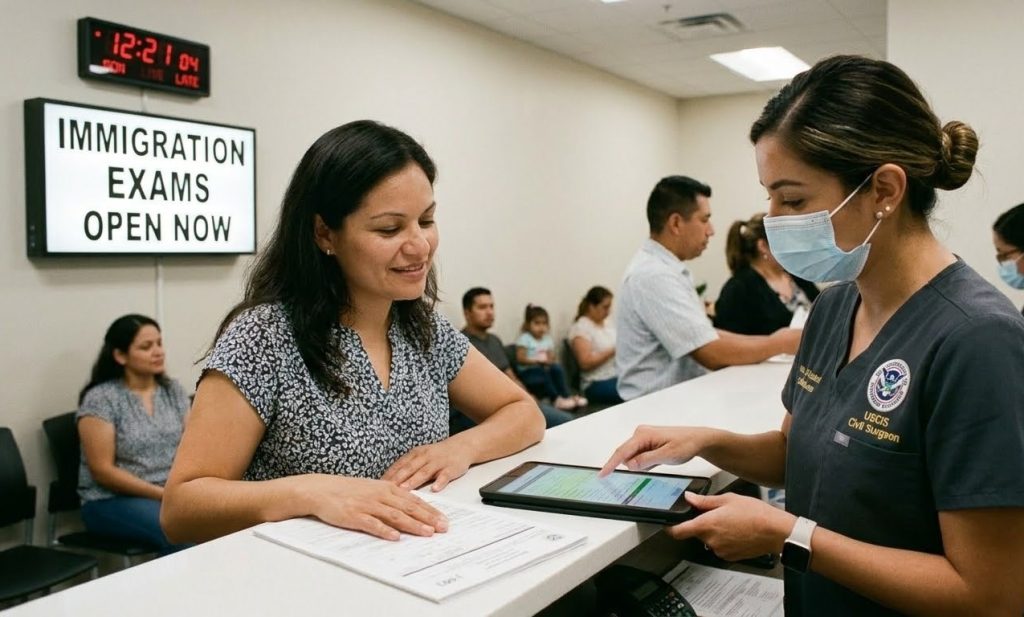
Not just any doctor can perform this exam. Only a USCIS-designated civil surgeon is authorized to conduct immigration medical exams. These doctors are specifically approved by USCIS and trained to handle immigration forms and requirements.
At Immigration Medical Exam Clinic in Bellaire, our civil surgeons are certified, highly skilled, and familiar with every step of the immigration medical process. We make sure your experience is as stress-free as possible while ensuring accuracy and compliance with USCIS standards.
Key Components of the USCIS Medical Exam
So, what exactly happens during the medical exam? Let’s break it down step by step.
Review of Your Medical History
You’ll start by going over your medical background. The civil surgeon will ask questions about your past illnesses, surgeries, medications, and any hospital stays. They may also inquire about conditions like tuberculosis, mental health history, or substance use.
Honesty is key here. The more accurate your information, the smoother the process. If you have existing conditions, the doctor can note that they’re under control or properly treated, which helps your application.
Physical Examination
After reviewing your medical history, the civil surgeon will perform a head-to-toe physical exam. This includes checking your:
- Eyes and ears
- Heart and lungs
- Abdomen and skin
- Muscles and joints
- Lymph nodes and neurological responses
This general exam ensures that you are physically capable of living independently and don’t have any visible signs of serious illness.
Required Laboratory Tests
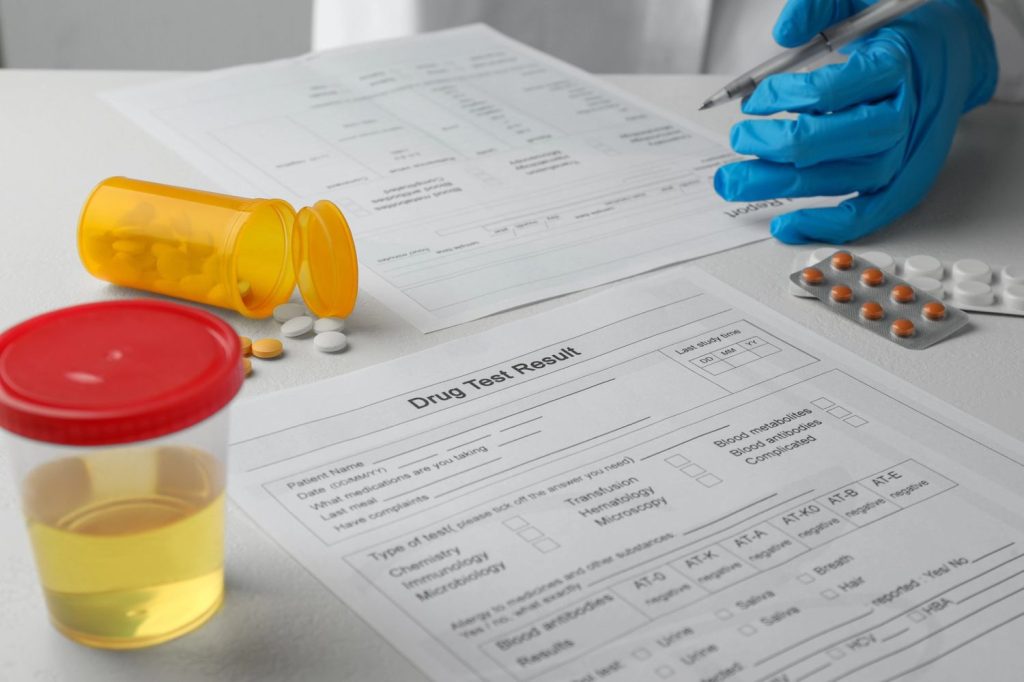
Certain tests are required for all applicants, regardless of age:
- Tuberculosis (TB) testing using a skin test or blood test
- Syphilis blood test for applicants aged 15 and older
- Gonorrhea test for adults 15 years and older
If any of these tests come back positive, the civil surgeon will guide you on what steps to take next. Sometimes, additional testing or treatment is required before your application can move forward.
Vaccination Assessment
The doctor will also check your vaccination history. USCIS requires specific vaccines to ensure protection against preventable diseases. If you’re missing any, you’ll have the opportunity to receive them during your appointment. This helps you meet all immigration health requirements in one visit.
Common Health Conditions That USCIS Checks For
Communicable Diseases of Public Health Significance
The main concern for USCIS is public health safety. That’s why the exam focuses on communicable diseases that could pose a risk to others. These include:
- Tuberculosis (TB)
- Syphilis
- Gonorrhea
- Leprosy (Hansen’s disease)
If any of these are detected, you may need to complete treatment or provide medical documentation before your green card can be approved.
Mental Health and Substance Use Disorders
USCIS also reviews mental health conditions that may cause harmful behavior or self-harm. This doesn’t mean that all mental health conditions are disqualifying — only those that could pose a danger to you or others.
For example, controlled depression or anxiety typically isn’t an issue. However, a history of violent behavior linked to a psychiatric condition might require further evaluation. The civil surgeon at Immigration Medical Exam Clinic handles these situations with sensitivity and professionalism.
Physical Disabilities and Health Limitations
Physical disabilities do not disqualify applicants from immigrating to the U.S. However, the exam documents your condition to determine if you may need additional support once you arrive. The goal is to provide an accurate picture of your overall health, not to exclude you.
Required Vaccinations for Immigration Applicants
Commonly Required Vaccines
The USCIS follows CDC guidelines for required immunizations. These may include:
- Measles, Mumps, Rubella (MMR)
- Tetanus and Diphtheria
- Pertussis (Whooping Cough)
- Polio
- Hepatitis A and B
- Varicella (Chickenpox)
- Influenza (Flu)
- COVID-19 vaccine (depending on current CDC policy)
If you’re unsure which vaccines you’ve already received, don’t worry — your civil surgeon can help identify what you still need.
Proof of Previous Immunization
Bring any official vaccination records or medical documents you have. If you were vaccinated in another country, that’s fine — just make sure the records are legible and in English or translated. If your documentation isn’t complete, Immigration Medical Exam Clinic can administer any missing vaccines during your appointment.
What Happens If a Medical Issue Is Found
Waivers and Exceptions
Some medical conditions or missing vaccines may qualify for a waiver or exemption. For example, certain vaccines might not be required for religious or moral reasons. Similarly, if a disease is treatable or no longer active, the civil surgeon can note that in your record.
Steps to Take for Clearance
If your exam reveals a communicable disease, you’ll need to undergo treatment before USCIS can finalize your application. Once you complete treatment and the doctor verifies your recovery, you’ll receive medical clearance.
The Immigration Medical Exam Clinic staff will help guide you through each step, ensuring you stay on track and that your USCIS documentation remains accurate.
Documents You Need to Bring to the Exam
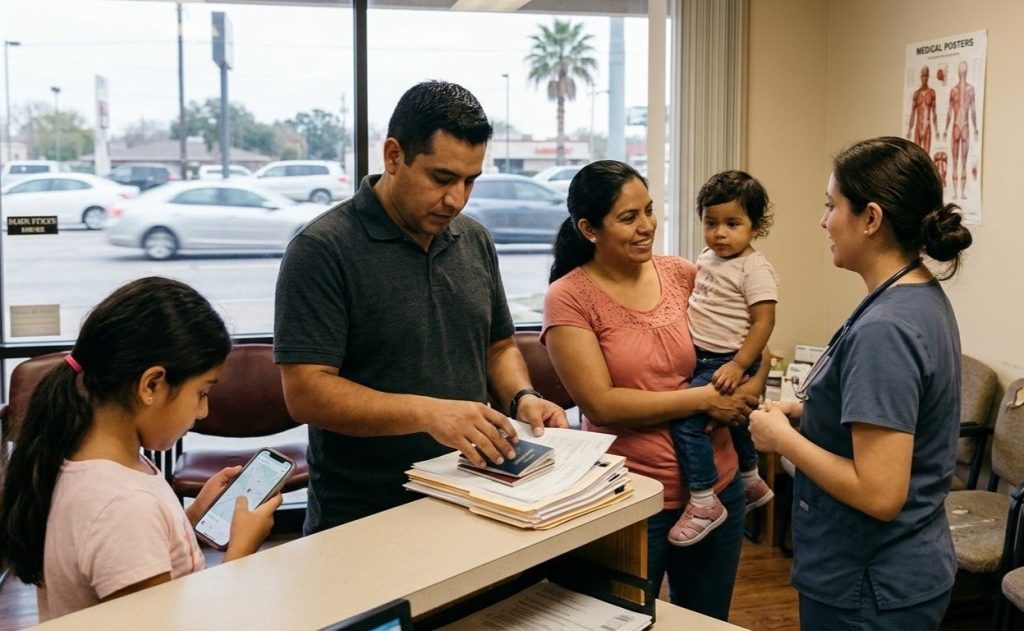
Before your appointment, make sure you have all the necessary paperwork ready.
Identification and Immigration Forms
Bring:
- A valid government-issued ID (passport, driver’s license, or national ID)
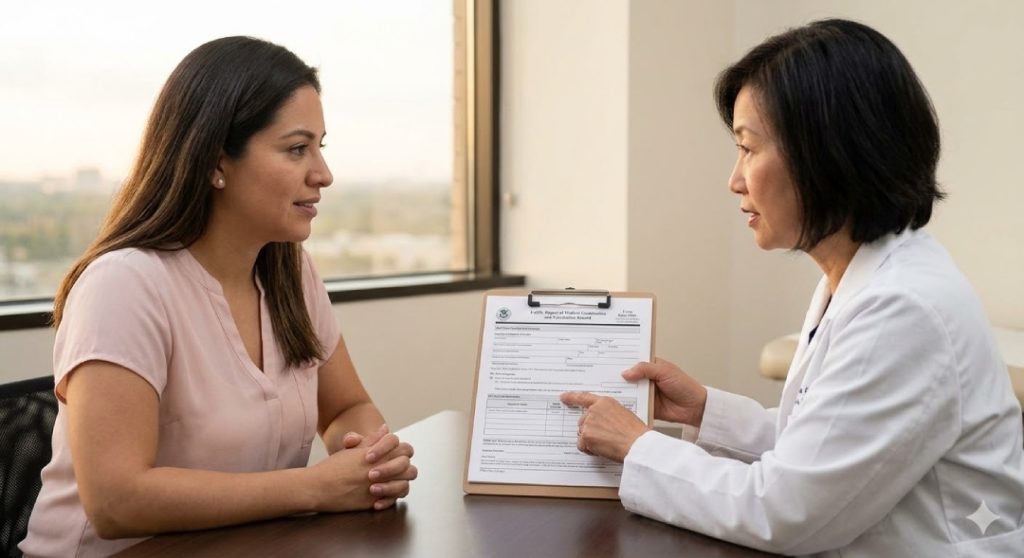
- Form I-693, the Report of Medical Examination and Vaccination Record (leave it unsigned until your visit)
- Any official USCIS letters or documents related to your immigration case
Medical Records and Vaccination History
Having your past medical records, especially vaccination proof, X-rays, or lab results, can help your civil surgeon complete your form accurately. If you’ve had previous medical conditions, bring related documents or prescriptions for reference.
How to Prepare for Your USCIS Medical Exam
Tips for a Smooth Experience
- Schedule early — especially during busy immigration seasons in Bellaire.
- Eat and hydrate before your appointment; you’ll feel more comfortable.
- Wear comfortable clothes for your physical exam.
- Be honest about your medical history. Even minor details matter.
- Bring all paperwork to avoid multiple visits.
What to Expect During Your Appointment
The appointment usually lasts between 30 minutes and an hour. You’ll start with paperwork, followed by a review of your health history, lab testing, physical examination, and any necessary vaccinations.
At Immigration Medical Exam Clinic, our goal is to make your experience as easy as possible. Our staff ensures you understand every step, and all your medical information remains confidential.
After the Exam: What Comes Next
Sealed Results and Submission Process
Once your exam is complete, the civil surgeon will prepare your Form I-693 and seal it in an envelope. Do not open it — USCIS only accepts sealed medical reports. You’ll submit this envelope with your immigration paperwork or bring it to your interview.
If your immigration attorney or sponsor needs a copy, the clinic can also provide you with an unsealed duplicate for your records.
How Long the Medical Exam Is Valid
Your medical exam results are valid for two years from the date the doctor signs your I-693 form. If your immigration process takes longer than that, you may have to retake the exam to keep your paperwork current.
Choosing the Right Clinic in Bellaire
Why Immigration Medical Exam Clinic Is the Best Choice
When you need precision, professionalism, and care, Immigration Medical Exam Clinic in Bellaire stands out as a trusted provider. We’re proud to offer:
- Certified USCIS-approved civil surgeons
- On-site vaccinations and lab testing
- Fast turnaround times for reports
- A friendly and supportive environment
- Transparent, affordable pricing with no hidden fees
Choosing the right clinic means avoiding delays and ensuring your paperwork is accurate and complete.
Professional Care and Trusted Expertise
We understand that the immigration journey can be overwhelming. That’s why our team focuses on compassionate, reliable care — helping you through every stage of the process. Whether you’re getting your first immigration medical exam or updating a previous one, our experienced staff is here to ensure your visit is simple, efficient, and fully compliant with USCIS requirements.
Immigration Medical Exam Clinic Serving the Bellaire Community and Beyond in Houston
Immigration Medical Exam Clinic is dedicated to serving the diverse needs of the local community of Houston, including individuals residing in neighborhoods like Bellaire. With its convenient location near landmarks such as the Bellaire-Zindler Park and major intersections like Beechnut St. and W Loop S. (coordinates: 29.689720830136608, -95.4627531309153), we offer the USCIS immigration medical exam services.
Get USCIS Immigration Medical Exam Services At Bellaire Now
Call Us Now
Navigate from Bellaire to Immigration Medical Exam Clinic Now
Conclusion
The USCIS medical exam isn’t something to fear — it’s a vital part of your journey toward a new life in the United States. It’s not a test you pass or fail; it’s simply a health assessment designed to ensure public safety and confirm your eligibility for residency.
If you’re in Bellaire, the Immigration Medical Exam Clinic provides the expertise and care you need to make the process stress-free. From vaccinations and lab tests to completing the USCIS paperwork, you can count on the clinic’s trusted civil surgeons to guide you every step of the way.
Take a deep breath — with the right preparation and the right clinic, your medical exam will be one of the easiest parts of your immigration journey.
FAQs
1. How long does the USCIS medical exam take?
Most appointments last between 30 minutes and one hour. The exact time depends on whether you need lab tests or vaccinations.
2. Can I go to any doctor for my USCIS medical exam?
No. You must visit a USCIS-approved civil surgeon. The Immigration Medical Exam Clinic in Bellaire has authorized doctors who meet these requirements.
3. What if I don’t have my vaccination records?
That’s okay! Your civil surgeon can test your immunity through bloodwork or administer any missing vaccines during your visit.
4. How much does the exam cost?
Costs vary based on your age, required tests, and vaccines. The Immigration Medical Exam Clinic offers affordable rates and transparent pricing.
5. What should I bring to the appointment?
Bring your ID, Form I-693, vaccination records, and any recent medical documents or prescriptions.