What Doctors Look for During an Immigration Medical Physical Exam
December 25, 2025
The immigration process is often compared to running a marathon rather than a sprint—and the immigration medical physical exam is one of the most important checkpoints along the route. Many applicants worry that one small medical issue could derail their plans. The reality? This exam is far more practical and straightforward than most people imagine.
Doctors are not looking for perfect health. Instead, they are ensuring that applicants meet public health standards set by U.S. immigration authorities. If you’re preparing for your exam in Piney Point Village, understanding what doctors evaluate can replace anxiety with confidence.
Understanding the Immigration Medical Physical Exam
At a practical level, this exam functions like a universal health baseline. No matter where an applicant comes from or what healthcare system they previously used, the U.S. government applies the same standards to everyone. This creates consistency, fairness, and predictability. Much like converting different international currencies into one standard dollar value, the exam translates diverse medical histories into a single, comparable format.
For applicants, this means clarity. You’re not being evaluated against other immigrants—you’re being evaluated against established public health benchmarks. When you understand this framing, the exam stops feeling personal and starts feeling procedural.
Why Immigration Medical Exams Are Required
Beyond disease prevention, immigration medical exams also help the healthcare system plan responsibly. When conditions are identified early—such as latent tuberculosis or missing vaccinations—it reduces long-term strain on emergency services and public resources. Think of it as preventive maintenance rather than damage control.
Historically, public health screening has played a major role in reducing outbreaks. Modern immigration exams are simply a refined, humane version of those safeguards, built on science rather than fear.
Who Needs an Immigration Medical Exam
Even applicants who feel exceptionally healthy are still required to complete the exam. Health status does not exempt anyone, just as having a clean driving record doesn’t exempt a car from inspection. Children may undergo simplified exams, while seniors may receive age-adjusted screenings, but the requirement itself remains universal.
This standardized approach prevents confusion and ensures that no applicant is unfairly singled out or overlooked.
What to Expect Before the Exam
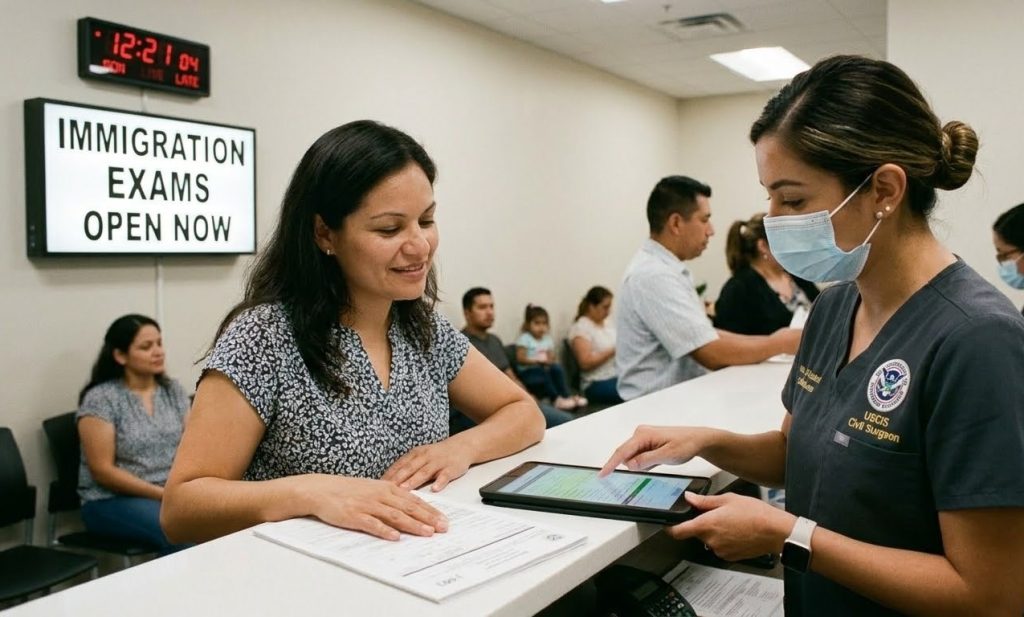
Preparation is where many applicants gain peace of mind. Knowing what’s expected before you arrive helps the appointment run smoothly and prevents unnecessary delays.
Documents You Must Bring
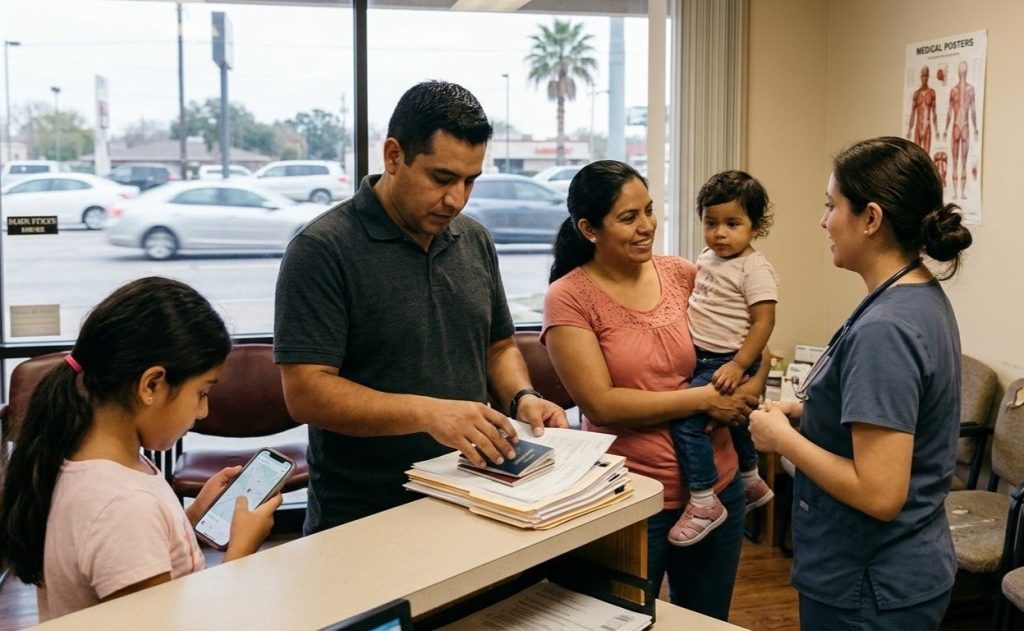
Applicants often underestimate how helpful partial records can be. Even a photo of an old vaccination card or a prescription bottle label can save time and reduce repeat testing. Clinics piece together information much like detectives reconstruct a timeline—every clue matters.
Being organized signals readiness and helps your appointment move efficiently, often resulting in faster form completion and fewer follow-up visits.
Preparing Yourself Physically and Mentally
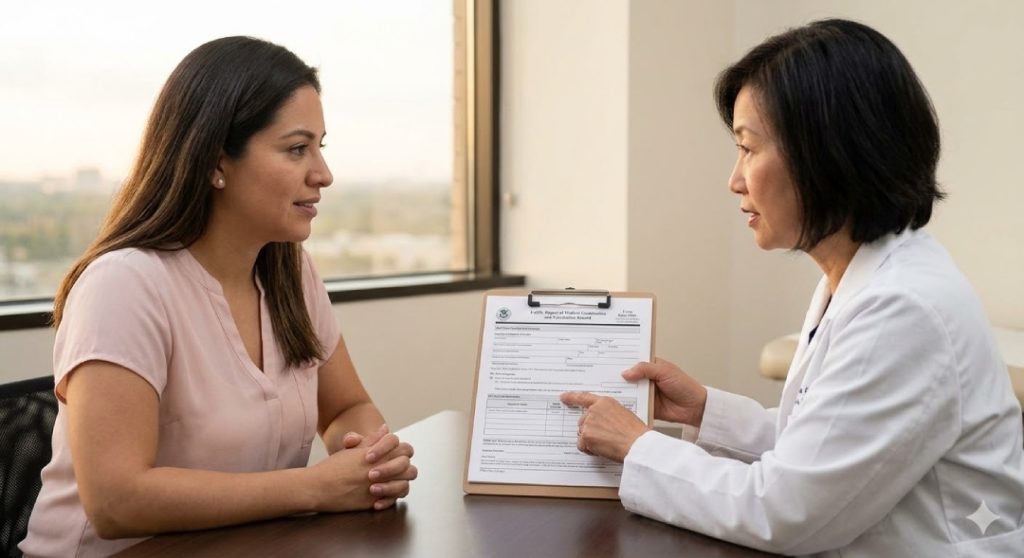
If nerves creep in, remind yourself that thousands of applicants successfully complete this exam every day. Doctors performing immigration exams are trained to explain each step and answer questions. Treat the appointment like a conversation rather than a confrontation.
A calm mindset also helps ensure accurate blood pressure readings and clearer communication—small details that can make a meaningful difference.
Step-by-Step Breakdown of the Immigration Medical Physical Exam
Understanding each stage of the exam can make the process feel predictable—and predictability reduces stress.
Medical History Review
This review helps doctors identify patterns rather than isolated incidents. For example, a single hospitalization years ago is rarely concerning, but recurring untreated symptoms might prompt further discussion. The goal is context, not fault-finding.
Clear explanations—such as why a medication was prescribed or discontinued—help physicians document your case accurately and avoid unnecessary referrals.
Chronic Illnesses and Past Conditions
Many applicants fear chronic diagnoses, but in reality, long-term conditions often demonstrate stability rather than risk. A person managing hypertension responsibly may be viewed as lower risk than someone ignoring symptoms altogether.
Bringing proof of regular care, such as clinic notes or lab results, strengthens your file and often speeds approval.
Physical Examination Overview
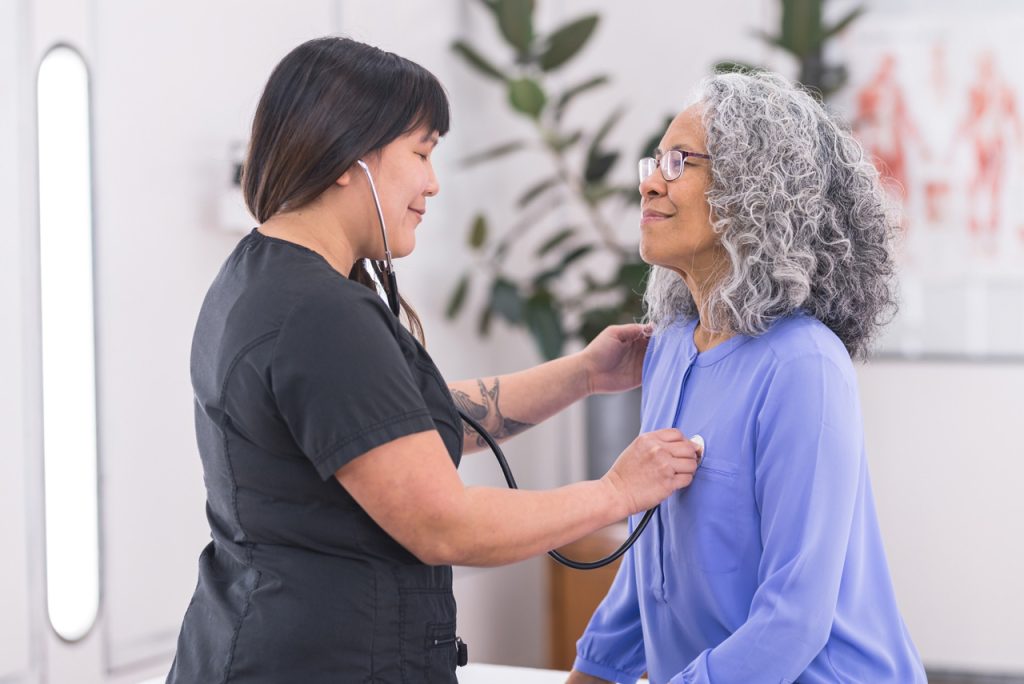
This exam is observational rather than invasive. Doctors assess how the body functions as a system—listening, observing, and confirming normal responses. It’s similar to a pilot’s pre-flight checklist: quick, systematic, and thorough.
Any abnormal findings are typically minor and easily clarified with additional testing.
Vital Signs and General Appearance
Vital signs offer a snapshot of overall health. Elevated blood pressure due to anxiety, for instance, is common and usually not alarming. Doctors consider context, not just numbers.
This step helps rule out obvious concerns while reinforcing that most applicants fall well within normal ranges.
Required Medical Tests and Screenings
Medical testing is standardized and based on age, risk factors, and USCIS guidelines.
Tuberculosis (TB) Screening
TB screening is handled with particular care because it balances individual privacy with public safety. A positive screening often leads to additional clarification rather than immediate concern.
Many applicants test positive due to past exposure or vaccination, not active disease. Doctors are trained to distinguish between these scenarios.
Blood Tests for Communicable Diseases
These blood tests are targeted, not broad. They focus only on conditions specified by immigration guidelines. Results are handled confidentially and explained clearly to applicants.
When treatment is required, it is usually straightforward and time-limited.
Urine Test and Drug Screening
Urine testing helps confirm information already discussed during the medical history review. It’s a verification step, not a trap.
Applicants who communicate openly about prescriptions or past use typically avoid complications.
Vaccination Assessment
Vaccinations are one of the most misunderstood parts of the exam, yet one of the easiest to resolve.
Required Vaccines for Immigration
Vaccination requirements evolve as public health recommendations change. Doctors stay updated on current guidelines so applicants don’t have to navigate them alone.
This ensures protection not only for the applicant but also for schools, workplaces, and communities they’ll soon join.
What Happens If You’re Missing Vaccines
Clinics often view missing vaccines as a logistical issue, not a medical failure. Many applicants complete all requirements in a single visit.
When follow-up doses are needed, clear timelines are provided so nothing is left uncertain.
Mental Health and Behavioral Assessment
Mental health evaluation is limited and focused on safety rather than diagnosis.
Conditions That May Require Further Evaluation
Further evaluation does not mean rejection. It simply means additional documentation is needed to confirm safety and stability.
Applicants already under professional care often pass this stage smoothly once records are reviewed.

What Doctors Are Not Looking For
Doctors are not acting as immigration officers or moral judges. Their role is medical, not legal. Factors like income, education, or physical limitations unrelated to public health play no role in the exam.
Understanding this boundary helps applicants relax and communicate more openly.
How Immigration Medical Exams Are Conducted in Piney Point Village
Local clinics in Piney Point Village emphasize organization and patient comfort. Many streamline testing and paperwork to minimize repeat visits.
This localized efficiency is especially valuable for applicants balancing work, family, and legal timelines.
Immigration Medical Exam Clinic: Trusted Care near Piney Point Village
Why Choose Immigration Medical Exam Clinic
The Immigration Medical Exam Clinic understands that immigration is deeply personal. Staff members focus on clarity, respect, and timeliness—qualities that matter when paperwork affects your future.
Applicants benefit from experience, consistency, and clear communication at every step.
Common Reasons for Delays or Follow-Ups
Delays are usually administrative rather than medical. A missing signature or outdated vaccine record can pause progress temporarily.
Knowing this helps applicants respond proactively rather than worry unnecessarily.
Tips for a Smooth Immigration Medical Exam Experience
Preparation is the strongest advantage an applicant can have. Treat the exam as a collaboration rather than an evaluation.
Clear communication and follow-through often lead to faster completion and peace of mind.
Immigration Medical Exam Clinic Serving the Piney Point Village Community and Beyond in Houston
Immigration Medical Exam Clinic is dedicated to serving the diverse needs of the local community of Houston, including individuals residing in neighborhoods like Piney Point Village. With its convenient location near landmarks such as the St. Francis Episcopal Church and major intersections like Monica Ln and Blalock Rd (coordinates: 29.761666548033322, -95.52488894413358), we offer immigration medical physical Houston services.
Get Immigration Medical Physical at Piney Point Village Now
Call Us Now
Navigate from Piney Point Village to Immigration Medical Exam Clinic Now
Conclusion
Reaching the immigration medical physical exam stage means you are well along your journey toward living, working, or building a future in the United States. This exam is not designed to intimidate or exclude—it exists to create a shared standard of health awareness and responsibility. When viewed through that lens, the process becomes far less stressful and far more manageable.
Every component of the exam, from medical history to vaccinations, serves a clear purpose. Doctors are looking for patterns, documentation, and compliance—not perfection.
Managed conditions, honest communication, and timely follow-ups almost always lead to successful outcomes. In many ways, the exam mirrors real life: preparation, transparency, and cooperation make everything smoother.
For applicants in Piney Point Village, choosing an experienced provider like Immigration Medical Exam Clinic can make a measurable difference. Familiarity with USCIS requirements, efficient processes, and patient-centered care help eliminate guesswork and reduce delays. Instead of feeling like a hurdle, the medical exam becomes a straightforward checkpoint—one you can approach with confidence, clarity, and peace of mind.
FAQs
1. Can I fail an immigration medical exam?
Outright failure is extremely uncommon. Most medical findings result in additional documentation, treatment, or follow-up rather than denial. USCIS focuses on resolution, not punishment.
2. How long does the immigration medical exam usually take?
Most exams are completed within 30 to 60 minutes. Additional time may be needed if vaccinations or further testing are required.
3. Will pregnancy affect my immigration medical exam?
Pregnancy does not disqualify an applicant. Certain tests may be adjusted or postponed to ensure safety for both parent and child.
4. How long are immigration medical exam results valid?
In most cases, results are valid for up to two years, provided your immigration application is filed within the required timeframe.
5. Can my regular doctor perform the immigration medical exam?
Only USCIS-designated civil surgeons are authorized to conduct immigration medical exams. Even a long-time personal physician cannot complete this requirement unless officially designated.