USCIS Medical Exam Prep Checklist and Tips
November 15, 2025
Understanding the Purpose of the USCIS Medical Exam
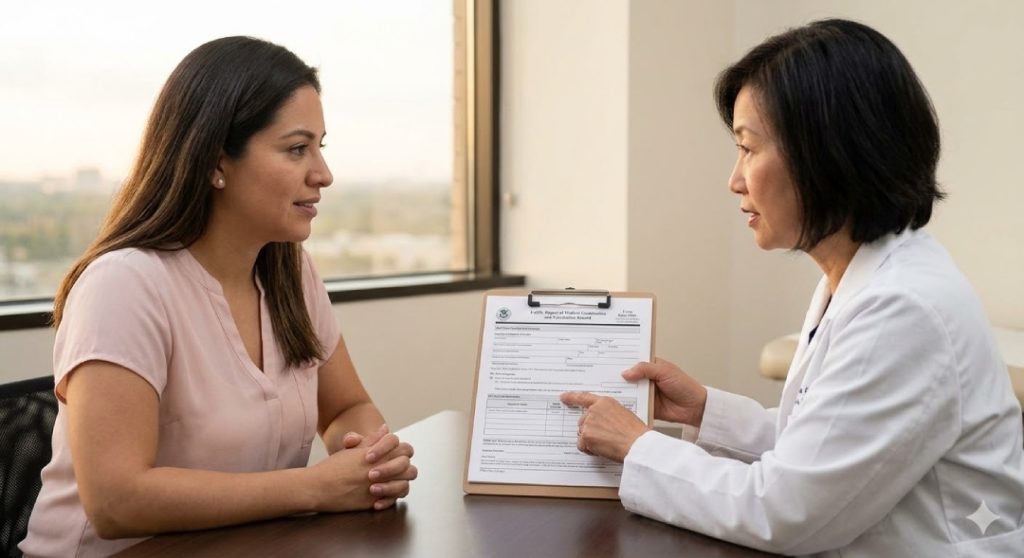
The USCIS medical exam is often misunderstood. Some applicants fear it as a rigorous health test, but in reality, it’s more like a public safety checkpoint than a medical judgment. Imagine a vehicle inspection before a long road trip: the goal isn’t to shame the car for being old or used, but to ensure it’s safe to operate on the road.
Similarly, USCIS wants to ensure that anyone entering the country is not carrying communicable diseases that pose a public health risk, has the required vaccinations, and does not have untreated conditions that could endanger themselves or others.
Knowing this context can relieve a lot of stress. The exam is not about penalizing you; it is about confirming compliance with health standards that protect both the applicant and the wider community. By approaching it with the mindset of “I’m making sure I’m roadworthy,” you can reduce anxiety and focus on preparation.
Who Needs the Immigration Medical Exam?
Not every immigrant applicant is required to take this exam, but it applies to several key categories. Individuals adjusting their status to permanent residency, refugees, asylees, K-visa applicants (fiancé or fiancée visas), and certain nonimmigrant visa holders are generally required to complete the exam.
USCIS may also request re-evaluation for individuals with prior health concerns or incomplete documentation.
If you’re unsure whether your immigration pathway requires the exam, the best course of action is to consult your USCIS notice or speak directly with a civil surgeon. Clarifying this early is like checking a map before embarking on a trip—you avoid taking the wrong route and save time and stress.
What to Expect During the Exam
Understanding what happens during the USCIS medical exam can turn uncertainty into confidence. The exam is structured around Form I-693, which documents your evaluation. The components cover vaccines, physical examination, mental health screening, tuberculosis testing, and lab work.
Required Vaccinations
Vaccinations are like passports for your immune system—they grant safe entry by proving you’re protected against specific diseases.
The USCIS requires proof of immunizations against measles, mumps, rubella, varicella (chickenpox), tetanus, diphtheria, pertussis, hepatitis A and B, influenza (seasonal), and pneumococcal diseases for older adults. Human Papillomavirus (HPV) vaccines may also be required depending on age.
If you are missing any vaccines, most civil surgeons can administer them during your visit. Bringing your previous vaccination records is crucial to avoid duplicate shots. Think of it like checking your luggage before a flight—being thorough prevents unnecessary complications or delays.
Physical Evaluation
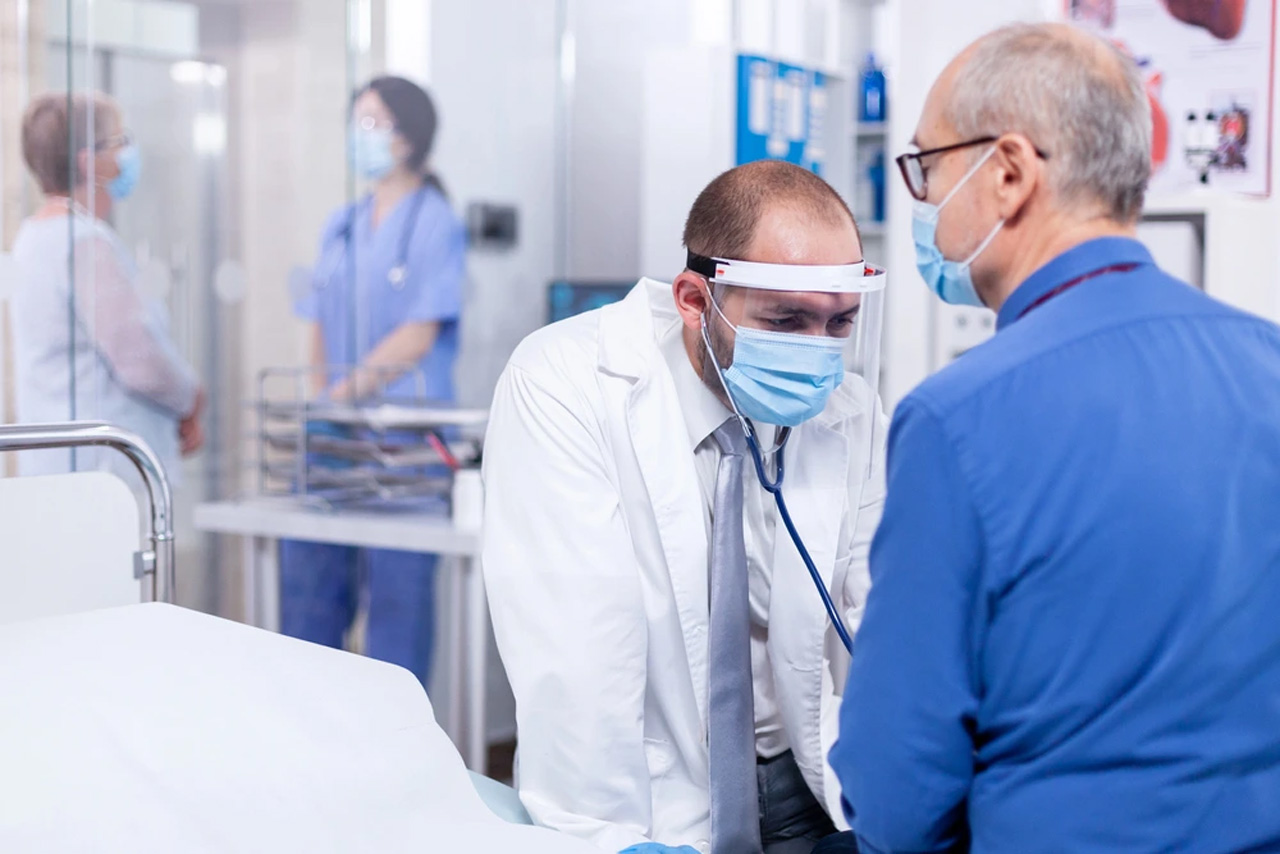
The physical exam is straightforward but important. Civil surgeons assess vital signs such as height, weight, and blood pressure, and they examine your heart, lungs, abdomen, vision, and hearing. The purpose is not to evaluate your overall fitness, but to detect health issues relevant to immigration requirements.
Approaching it as a routine check-up can make the process less intimidating. Imagine it like a safety inspection at a car repair shop—the mechanic isn’t judging your driving skills, just ensuring your car is safe.
Mental Health Screening
Mental health screening during the exam is often misunderstood. This portion does not involve a comprehensive psychiatric evaluation. Instead, the civil surgeon assesses whether any untreated cognitive or behavioral conditions could pose risks.
The goal is public safety and well-being, not personal judgment. Think of it as a navigation check before a long journey; it ensures that all systems are functioning and any potential hazards are accounted for.
Tuberculosis Testing
Tuberculosis (TB) screening is one of the most crucial components and can be confusing. The current requirement for applicants over two years old is the Interferon-Gamma Release Assay (IGRA) blood test. A chest X-ray is only necessary if the IGRA test returns positive.
Unlike the outdated skin test, this modern method is accurate and ensures that TB cases are identified early. Scheduling this test in advance or at a clinic that offers it on-site, like Immigration Medical Exam Clinic in Gulfton, is essential to avoid delays.
Blood Tests and Other Lab Work
Additional lab work may include syphilis and gonorrhea tests, depending on age, medical history, and risk factors. These tests ensure that communicable diseases are detected and treated before your immigration process continues. Think of these labs as checkpoints in a travel itinerary—they confirm that you’re ready to move forward safely.
USCIS Medical Exam Prep Checklist
A proper checklist is like a packing list for a long trip. Being organized ensures you arrive fully prepared.
Identification Documents
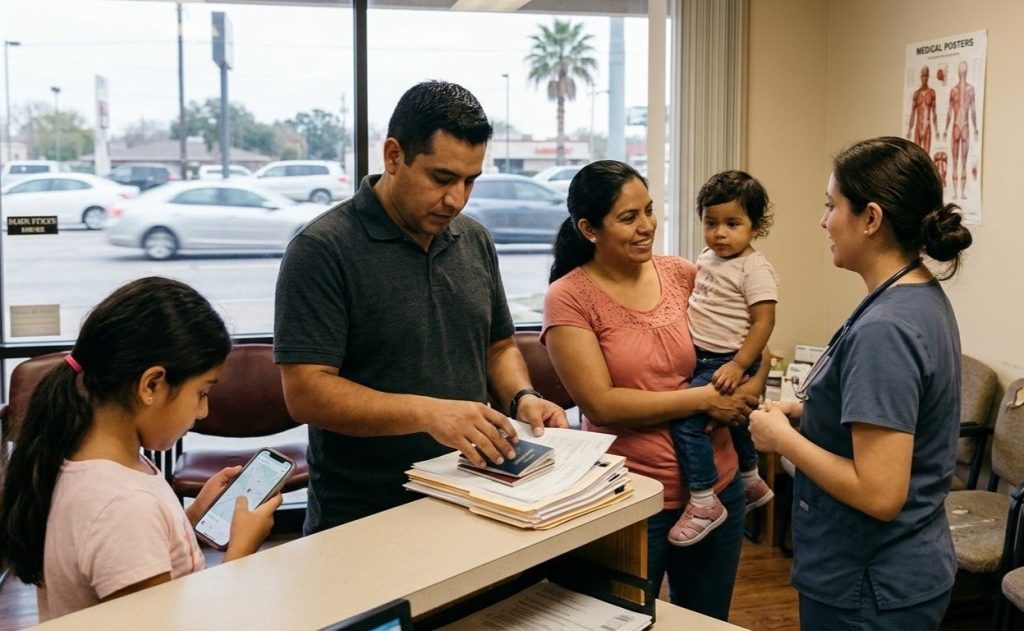
Bringing proper identification is non-negotiable. A passport is preferred, accompanied by any other government-issued ID and relevant USCIS notices. Missing identification can delay or even prevent your exam. Consider these documents as your boarding passes for the immigration process—they are required to gain entry to the next step.
Medical Records
Medical records act as a personal health journal for the civil surgeon. Include all hospital visits, past diagnoses, lab reports, and specialist notes, especially for chronic conditions like diabetes, asthma, or heart disease. Providing complete records ensures the civil surgeon can accurately assess your health and avoids unnecessary follow-ups.
Vaccination History
Your vaccination history can save you from unnecessary repeat shots. Bring childhood immunization records, official digital records from prior healthcare providers, and international vaccination documents with certified translations if needed. Think of these records as your travel visas; they verify that you have the necessary protection to “enter” the U.S. without health risks.
Medication & Condition List
Preparing a detailed list of medications, dosages, purposes, and prescribing doctors helps the civil surgeon accurately assess your health profile. This prevents misunderstandings or errors during the exam. Imagine this list as your itinerary for the health journey—it keeps everything organized and ensures nothing is overlooked.
Payment, Photos, and Forms
Bring payment methods accepted by the clinic, passport-sized photos, and any pre-filled sections of Form I-693. Having these ready streamlines the process and allows the civil surgeon to focus on the medical evaluation itself, rather than administrative delays.
How to Prepare the Week Before the Exam
Preparation begins well before the appointment. Think of this week as your pre-trip planning stage.
Organizing Paperwork
Use folders or envelopes to separate IDs, vaccination records, and medical histories. Clearly label each set of documents for easy access. Having multiple copies of critical documents ensures that last-minute mishaps do not derail your exam. Being organized at this stage is like packing your suitcase methodically—it prevents the frustration of lost items during the trip.
Confirming Exam Requirements
Call your clinic ahead to confirm the availability of lab tests, vaccines, and photos, and to verify appointment times and payment methods. Proactively confirming these details is like checking a weather report before traveling; it helps you anticipate potential obstacles and plan accordingly.
How to Prepare on the Day of Your Exam
The day of the exam should be approached with calm confidence.
What to Bring
Bring all documents, your medication list, payment method, water, and snacks. Bringing something to read can also help manage waiting periods. Treat this preparation like gathering essentials for a day-long excursion; having everything you need avoids unnecessary stress.
What to Wear
Wear comfortable clothing, preferably with short sleeves for vaccinations or blood draws, and shoes that are easy to remove. Dressing appropriately ensures a smoother experience and reduces unnecessary complications during the physical exam.
What to Expect at the Clinic
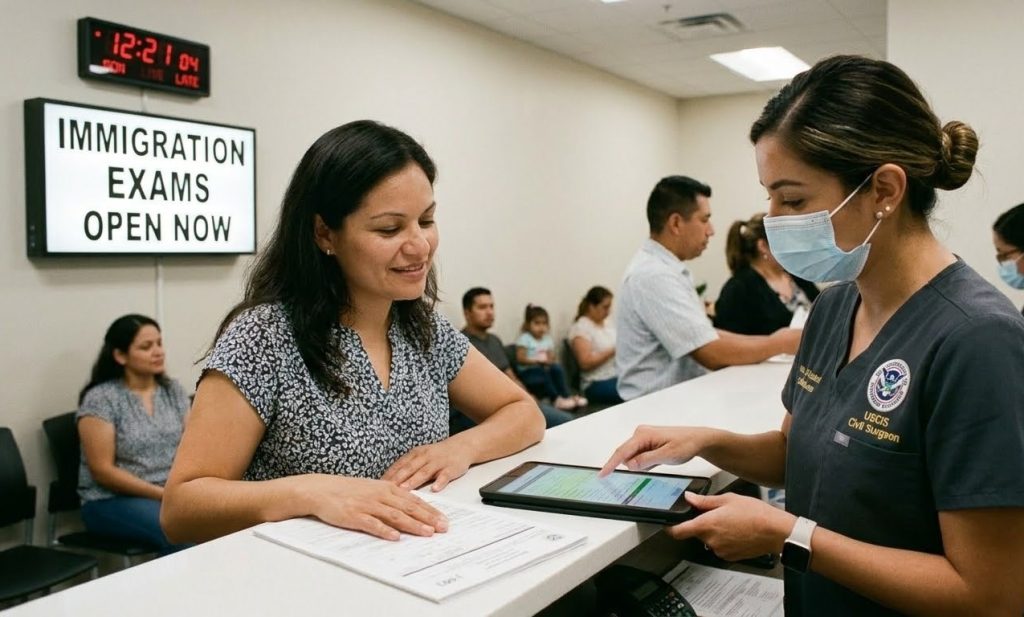
The typical process includes check-in, document verification, medical history review, physical examination, lab tests, vaccination updates if needed, and the completion of Form I-693. Expect the visit to last 1–2 hours. Knowing this workflow in advance is like reviewing a map before starting a journey—it allows you to anticipate what comes next and stay relaxed.
Avoiding Delays and RFEs (Requests for Evidence)
Many delays can be avoided with attention to detail.
Accuracy in Forms
Even small errors like missing signatures, incomplete vaccination entries, or illegible handwriting can trigger RFEs. Proofreading your forms is similar to double-checking travel documents before departure; ensuring accuracy avoids unnecessary delays.
Vaccination Timing Issues
Some vaccines require specific intervals. Tdap boosters may require spacing from previous doses, and Hepatitis vaccines may involve multiple shots over several weeks. Planning your vaccinations ahead of time prevents incomplete records and delays.
Missing Lab Work
Omitting required lab tests invalidates your form. Think of missing lab work as forgetting a critical stop on a road trip—it halts progress until the issue is resolved.
Working With Immigration Medical Exam Clinic in Gulfton
The right clinic can make a world of difference in your exam experience.
Why Choose This Clinic
Immigration Medical Exam Clinic near Gulfton offers USCIS-certified civil surgeons, on-site TB testing, same-day vaccinations, fast processing times, multilingual staff, and competitive pricing. Choosing a reliable clinic is akin to hiring an experienced guide for a complex journey—they know the shortcuts, anticipate potential pitfalls, and ensure a smooth process.
What Patients Love About the Clinic
Patients frequently praise the clinic’s organized workflow, friendly staff, clear communication regarding I-693 completion, and comfortable environment. This consistency and professionalism reduce stress and increase confidence in the process.
How to Handle Post-Exam Requirements
Completing the exam is just the beginning; handling post-exam procedures properly is crucial.
Sealed I-693 Envelope
USCIS requires that Form I-693 remain sealed and unaltered. Opening or bending the envelope can invalidate your results. Treat it like an official passport or boarding pass; it must remain intact until submission.
Digital Copies for Your Records
Many clinics provide both a physical copy and a digital scan of your completed I-693. Keeping these for personal records ensures you have proof of completion in case USCIS requests additional information.
Submitting the Forms to USCIS
Submit the sealed I-693 according to USCIS instructions, either with your green card application, in response to an RFE, or during your interview. Proper submission ensures that your application progresses without delays.
Common Mistakes Applicants Should Avoid
Common pitfalls include forgetting ID or documents, missing vaccinations or medical history, assuming outdated TB tests are acceptable, opening the sealed I-693, or delaying scheduling until the last minute. Avoiding these mistakes is like following a carefully planned route; it ensures a smooth journey without unnecessary detours.
Final Tips for a Stress-Free Experience
Use checklists for documents, medications, and vaccines. Keep copies of all documents. Schedule your exam early. Be honest with your civil surgeon and ask questions when in doubt. Treat the exam like any professional appointment: prepare, be punctual, and stay organized. Preparation accounts for 90% of success; the remaining 10% is execution.
Immigration Medical Exam Clinic Serving the Gulfton Community and Beyond in Houston
Immigration Medical Exam Clinic is dedicated to serving the diverse needs of the local community of Houston, including individuals residing in neighborhoods like Gulfton. With its convenient location near landmarks such as the Benavidez Elementary School and major intersections like Gulfton St and Westward St (coordinates: 29.716704099999987, -95.4938099), we offer USCIS immigration medical exam services.
Get USCIS Immigration Medical Exam at Gulfton Now
Call Us Now
Navigate from Gulfton to Immigration Medical Exam Clinic Now
Conclusion
The USCIS medical exam is a key milestone in your immigration journey, but it doesn’t have to be stressful. With careful preparation, organized documentation, and guidance from Immigration Medical Exam Clinic in Gulfton, the process becomes predictable, efficient, and stress-free. Think of it as planning a major journey: with the right roadmap, proper preparation, and trusted guidance, you’ll reach your destination with confidence and peace of mind.
FAQs
1. How long is the USCIS medical exam valid?
Form I-693 is generally valid for two years from the date of the civil surgeon’s signature.
2. Can I update missing vaccines after the exam?
Yes. Follow-up vaccinations can be documented, but they must adhere to USCIS timing requirements.
3. What if I test positive for tuberculosis?
A positive IGRA requires a chest X-ray. Treatment and clearance are possible; a positive test does not automatically disqualify you.
4. Can I use vaccination records from another country?
Yes, provided they are official and translated if necessary.
5. Who is required to take the USCIS medical exam?
Applicants adjusting their status to permanent residency, refugees, asylees, K-visa (fiancé/fiancée) applicants, and certain nonimmigrant visa holders are typically required to complete the USCIS medical exam.