Preparing Children For A USCIS Immigration Medical Physical
December 22, 2025
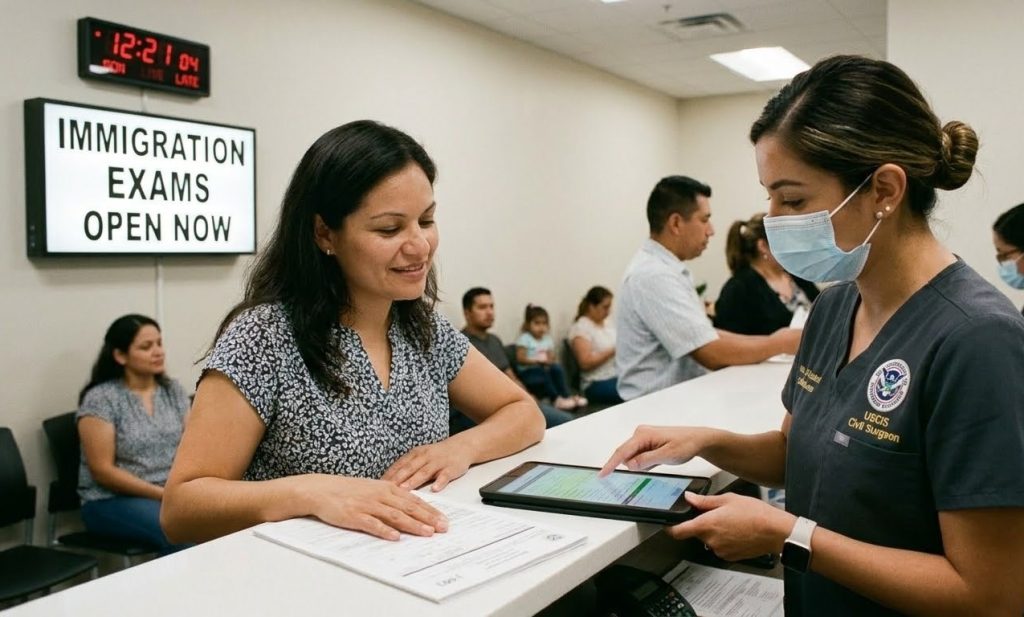
Preparing your child for a USCIS immigration medical physical can be stressful, especially when you’re balancing immigration requirements, paperwork, and the natural fears children may have about doctors. Fortunately, with the right approach and a trusted Immigration Medical Exam Clinic in Briargrove Park, the experience can be smooth, calm, and even positive.
This expanded guide provides everything you need—from emotional preparation to what to expect during the appointment—so both you and your child are ready.
Understanding the USCIS Immigration Medical Exam
What Is the Purpose of the Medical Exam?
The USCIS immigration medical exam ensures that individuals—including children—meet health standards required for U.S. immigration. For kids, this includes:
- Screening for communicable diseases
- Verifying vaccination history
- Assessing general health and development
Think of it as a “health passport check,” not a judgment of your child’s abilities. It protects public health while giving parents valuable insights about their child’s wellness.

Why Children’s Exams Are Different
Children require a more tailored medical approach because:
- They fear unfamiliar environments
- They react more emotionally to needles
- Their vaccinations follow age-specific requirements
- Their developmental milestones must be reviewed
Civil surgeons trained in pediatrics use child-friendly communication, gentle examinations, and creative techniques to reduce anxiety.
Choosing the Right Immigration Medical Exam Clinic in Briargrove Park
What to Look For in a Clinic
When choosing the right facility, consider:
- USCIS-certified civil surgeon
- Pediatric experience
- Calm, clean, child-friendly atmosphere
- Clear pricing for vaccines, paperwork, and lab tests
- Positive family-focused reviews
A comfortable, supportive clinic makes a world of difference in your child’s emotional response.
Immigration Medical Exam Clinic in Briargrove Park
Immigration Medical Exam Clinic is a trusted option for families in Briargrove Park. Known for its friendly medical team and efficient service, the clinic offers:
- Gentle pediatric handling
- Fast, organized documentation
- Vaccination guidance compliant with USCIS rules
- Empathetic, supportive staff
- Stress-free appointment flow
Parents appreciate the clinic’s professionalism and ability to keep children relaxed during the visit.
Preparing Mentally for Your Child
Talking to Your Child About the Exam
Approach the conversation with calmness and honesty. Kids mirror your emotions.
Use simple explanations like:
- “The doctor just wants to make sure your body is healthy.”
- “It’s not a test—you can’t pass or fail.”
- “I’ll stay with you the whole time.”
Avoid surprises. Preparing them mentally helps reduce fear and builds trust.
Using Stories and Roleplay to Reduce Anxiety
Children naturally understand the world through pretend play. Try:
- Doctor roleplay using toy tools
- Storybooks about friendly doctor visits
- Stuffed animals acting as “patients”
Roleplay transforms fear into curiosity. Kids feel more in control when they know what to expect.
Preparing Physically for the Exam
Nutrition and Sleep Tips Before the Exam
A rested, nourished child is calmer and more cooperative. The night before:
- Ensure a full night’s sleep
- Serve balanced meals (eggs, oatmeal, fruits)
- Limit sugar to prevent jitters
Bring snacks or water, especially for younger children.
Dressing Comfortably and Appropriately
Choose:
- Soft clothing
- Easy-to-remove shirts
- Comfortable shoes
- One or two simple layers
Comfortable clothing reduces frustration and speeds up the physical exam.
What to Expect During the Exam
Typical Steps of a USCIS Immigration Medical Exam
Every child’s exam varies slightly, but most include:
- Medical history review
- Height/weight measurements
- Vital signs
- Vision and hearing tests
- Physical examination
- Vaccinations
- Age-specific lab tests (if required)
Most steps take only a few minutes each.
Vision and Hearing Screening
These simple tests feel more like fun activities than medical procedures:
- Reading shapes or letters
- Hearing soft beeps
- Identifying light or sound patterns
They are quick, painless, and typically stress-free.
Physical Examination
A pediatric-focused civil surgeon will:
- Listen to heart and lungs
- Check reflexes
- Examine eyes, nose, throat
- Assess muscles, joints, and posture
- Review developmental milestones
Parents remain present the entire time, providing reassurance.
Vaccinations and Lab Tests
Depending on your child’s age and medical history:
- Shots may be given to meet U.S. vaccination requirements
- Blood tests may be needed for specific age groups
Staff may offer numbing cream, distraction techniques, or comfort strategies to help children stay calm.

Managing Common Fears and Concerns
Coping with Needles and Shots
Fear of needles is one of the most common pediatric concerns. Help your child by:
- Using deep breathing techniques
- Bringing a comfort toy
- Playing a distraction video
- Offering a reward afterward
Explain that the pinch lasts only a second—like snapping a rubber band lightly on the skin.
How to Calm a Nervous Child During the Exam
Stay calm and patient.
Try:
- Gentle physical touch (hand-holding or hugging)
- Soft, reassuring tones
- Humor (“The stethoscope feels colder than ice cream!”)
- Praise for bravery
Your stability becomes your child’s anchor.
After the Exam: What Happens Next?
Understanding the Results and Reports
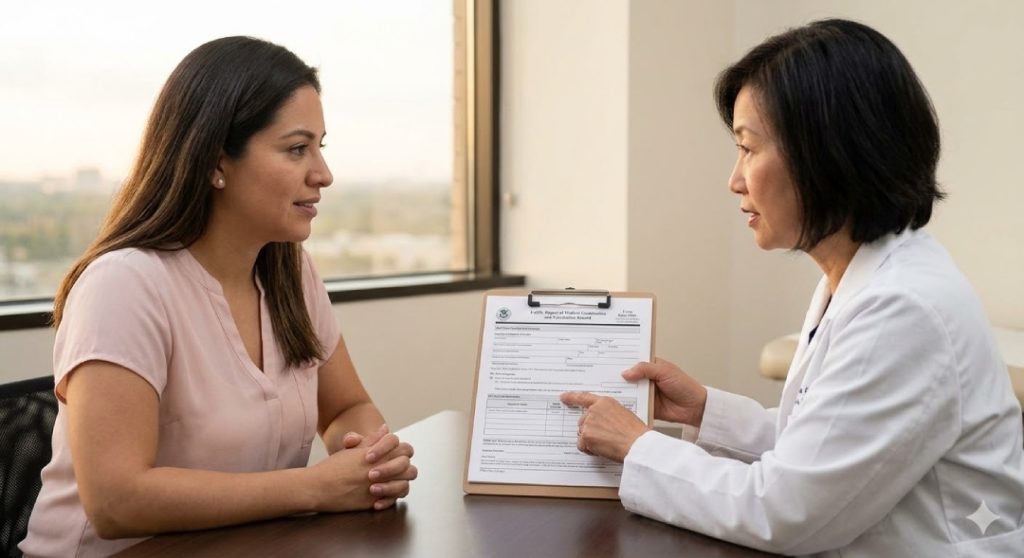
The doctor completes Form I-693 after the exam:
- The results are sealed in an official envelope
- You take or send this sealed envelope to USCIS
- You may receive an additional unsealed copy
Never open the sealed envelope—doing so voids it.
Following Up on Vaccinations or Additional Tests
If the civil surgeon identifies missing vaccines or follow-up tests:
- They will schedule additional appointments
- They will explain deadlines and expectations
- Prompt follow-up prevents delays in your immigration case
This ensures your child meets all USCIS medical requirements.
Tips for a Smooth Visit
Scheduling Wisely
Choose a time when your child is:
- Rested
- Not hungry
- Not rushed from school or activities
Mid-morning appointments work best for most families.
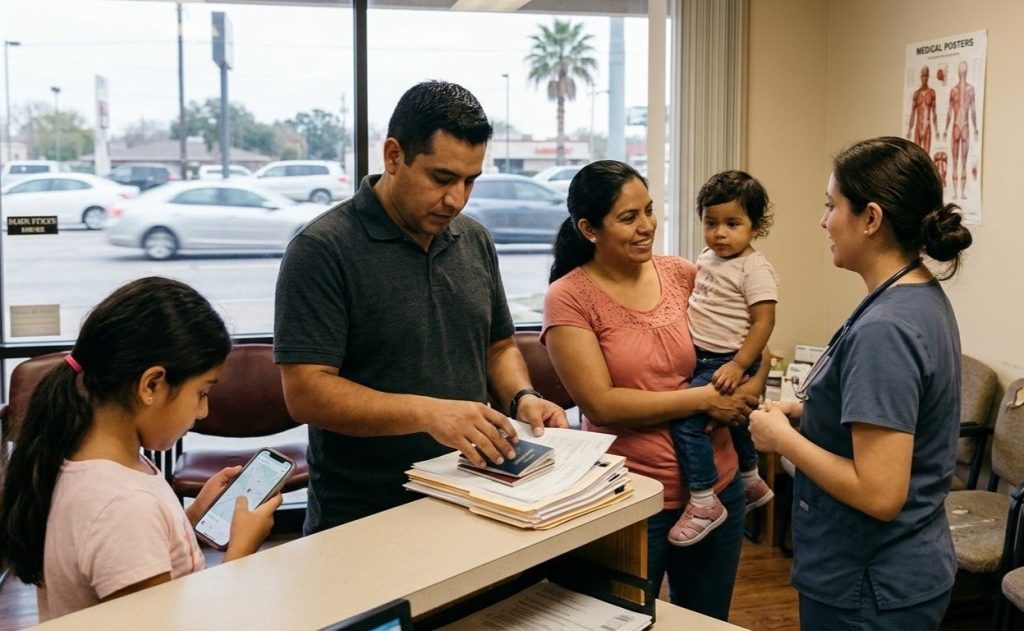
What to Bring to the Clinic
Come prepared with:
- Child’s passport or valid ID
- Immunization records
- Prior medical documents
- Water, snacks, and comfort items
- Appointment confirmation
- Any USCIS instructions you received
Preparation reduces stress and keeps the visit smooth and fast.
Immigration Medical Exam Clinic Serving the Briargrove Park Community and Beyond in Houston
Immigration Medical Exam Clinic is dedicated to serving the diverse needs of the local community of Houston, including individuals residing in neighborhoods like Briargrove Park. With its convenient location near landmarks such as the Mary Ann Francklow Park and major intersections like Crestbend Dr and East Rivercrest Dr (coordinates: 29.75266687829384, -95.54560365665147), we offer USCIS immigration medical physical services.
Get USCIS Immigration Medical Physical at Briargrove Park Now
Call Us Now
Navigate from Briargrove Park to Immigration Medical Exam Clinic Now
Conclusion
Preparing children for a USCIS immigration medical physical doesn’t need to feel overwhelming. With clear communication, emotional support, proper preparation, and the right clinic—such as Immigration Medical Exam Clinic in Briargrove Park—your child can navigate the exam confidently.
Children thrive when they feel safe and informed. By guiding them gently and choosing a family-friendly medical team, you turn a stressful requirement into a smooth, manageable experience for everyone.
FAQs
1. At what age must children complete the USCIS medical exam?
Every child applying for immigration benefits—infants included—must undergo the exam.
2. Will my child need vaccines during the exam?
Depends on their vaccine history and U.S. CDC guidelines. The civil surgeon will determine what’s needed.
3. Can parents stay with their child during the exam?
Absolutely—your presence helps reduce fear and improve cooperation.
4. How long does the exam take?
Most pediatric exams take 30–60 minutes depending on shots and lab work.
5. Do all children require blood tests?
Not always. Blood tests depend on the child’s age and USCIS requirements.