Do They Test For Drugs On Immigration Physicals?
October 11, 2025
Immigration medical exams can feel like stepping into a mystery. You know they’re important, but what exactly happens? One question that comes up again and again, especially for residents in Bellaire, is: “Do they test for drugs on immigration physicals?” It’s understandable—medical exams, paperwork, and regulations can be intimidating. But the good news is that most myths about drug testing are exactly that: myths.
In this article, we’ll break down everything you need to know, clarify misconceptions, and walk you through what to expect at Immigration Medical Exam Clinic. By the end, you’ll feel informed, confident, and ready for your exam.
Understanding Immigration Medical Exams
First things first—what is an immigration medical exam, really? Unlike your routine doctor’s visit, an immigration medical exam is specifically designed to determine if an applicant poses a public health risk.
The U.S. government mandates these exams for people seeking permanent residency or certain visas. But despite rumors you might hear, these exams aren’t intended to catch personal habits or penalize individuals for lifestyle choices.
At Immigration Medical Exam Clinic in Bellaire, the process is designed to be professional, thorough, and stress-free. Think of it as a checkpoint for your health, ensuring you meet the medical requirements to continue your immigration journey. This is less about judgment and more about compliance and safety.
What an Immigration Medical Exam Entails
Overview of the Exam Process
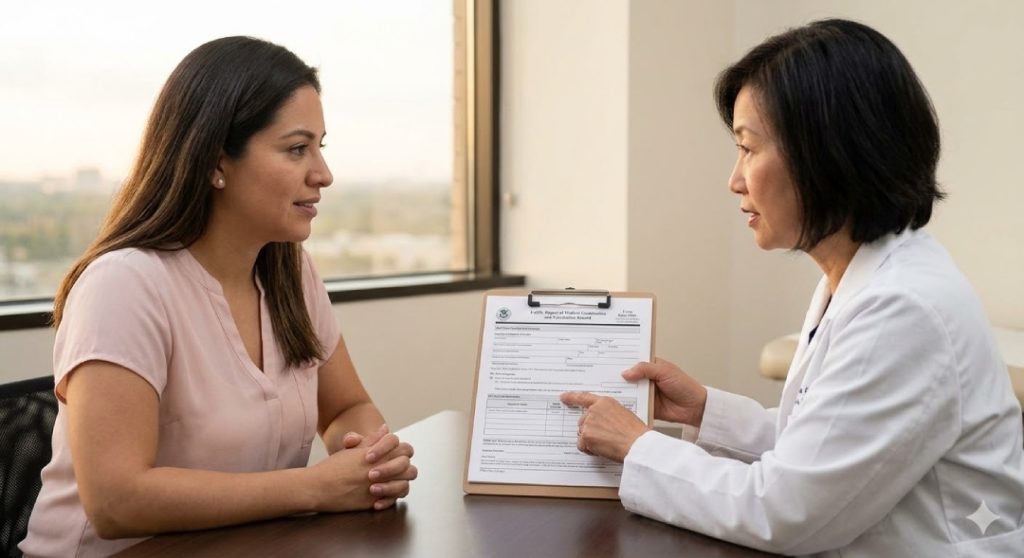
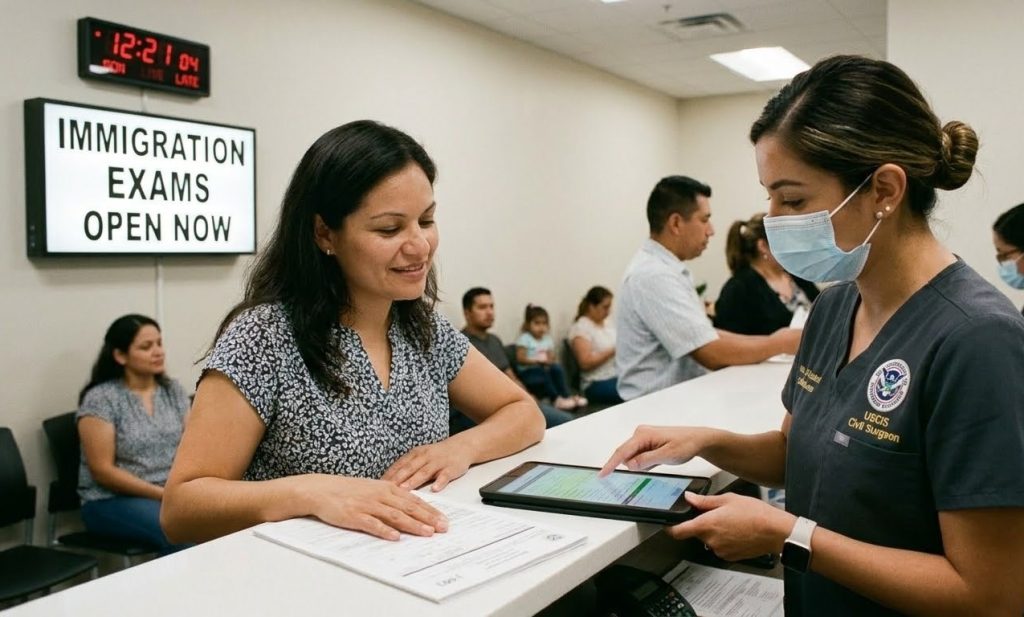
Your immigration medical exam is usually conducted by a USCIS-certified civil surgeon. The exam includes:
- Reviewing your medical history
- Performing a physical check-up
- Conducting required lab tests for communicable diseases
The goal is to identify any health conditions that could affect public health or make someone inadmissible. This might sound intimidating, but the doctors at Immigration Medical Exam Clinic are trained to make the experience smooth and straightforward.
Required Documents and Forms
Preparation is key. Here’s what you typically need:
- A valid government-issued ID
- Form I-693 (Report of Medical Examination and Vaccination Record)
- Vaccination records
- Any relevant medical history or documentation
Having these ready ensures the process moves quickly and without unnecessary stress.
Who Performs Immigration Medical Exams in Bellaire?
Only authorized civil surgeons can perform these exams. In Bellaire, Immigration Medical Exam Clinic is a trusted provider, staffed with professionals who understand the community’s needs. The clinic has a reputation for patient-centered care and expertise, helping applicants navigate the process efficiently.
Meet the Experts at Immigration Medical Exam Clinic
The staff at Immigration Medical Exam Clinic is experienced, compassionate, and highly trained. They handle hundreds of immigration exams annually, assisting individuals and families with professionalism and confidentiality. Whether it’s your first exam or a follow-up, you’ll feel guided every step of the way.
Drug Testing and Immigration Physicals
Now let’s get to the burning question: Do immigration medical exams include drug tests?
The short answer: usually, no. Standard immigration medical exams do not include routine drug testing. The purpose of these exams is to detect health issues that could affect public safety or admissibility, such as communicable diseases, mental health concerns, and physical conditions—not personal habits unrelated to public health.
Do Immigration Exams Include Drug Tests?
While the exams focus primarily on health and safety, there are a few exceptions. Drug screening may be performed if:
- The applicant’s medical history suggests substance abuse
- The doctor observes physical or mental signs of drug use
- There is a legal reason or specific concern flagged by immigration authorities
Even in these cases, the testing is targeted, not random. The goal isn’t to punish—it’s to assess health and public safety.
Types of Drugs Screened (If Any)
When testing does occur, it’s usually focused on substances that could impair health, mental stability, or functionality. Typical recreational drug use is not automatically tested, and the process is guided by strict medical and ethical protocols. Doctors at Immigration Medical Exam Clinic ensure any necessary testing is explained clearly and conducted professionally.
When Drug Testing is Mandatory
Drug testing becomes mandatory only under specific circumstances. For instance, if a civil surgeon sees physical or behavioral indicators of substance abuse, a test might be recommended.
In addition, applicants with a documented history of substance use may be asked to undergo testing to confirm treatment progress or rehabilitation. Remember, these situations are rare, and the focus is always on safety and compliance.
Common Misconceptions About Immigration Exams
There are plenty of myths surrounding immigration medical exams. Let’s debunk a few common ones:
- “They test everyone for drugs.” False. Standard exams focus on communicable diseases, vaccination status, and overall health.
- “Blood tests = drug tests.” Not necessarily. Routine blood tests are generally for detecting infections, immunity, or other medical conditions—not recreational drugs.
- “Any positive test means denial.” False. Even if testing occurs, results are verified, and false positives are carefully managed.
Confusing Routine Blood Tests with Drug Tests
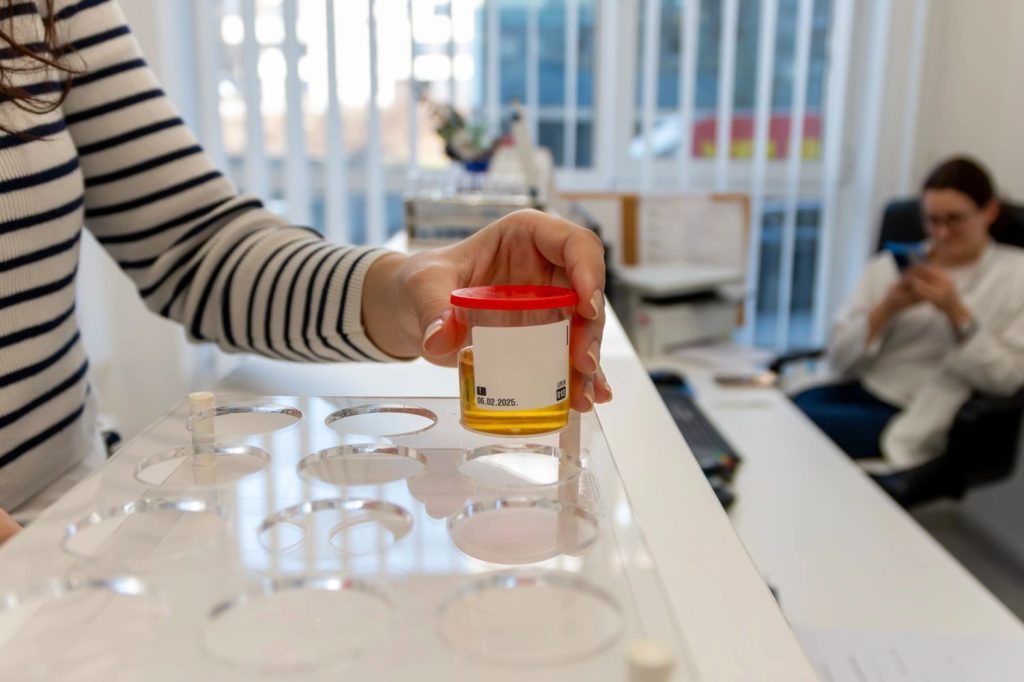
It’s easy to see why people worry. Blood or urine tests are part of the medical exam, but they’re usually for detecting things like:
- Tuberculosis
- Syphilis
- Immunity to diseases like measles, mumps, and rubella
These tests are standard public health precautions, not a search for personal habits.
False Positives and Their Implications
False positives can happen, even with routine lab tests. For example, certain foods, medications, or supplements can trigger unexpected results. Civil surgeons and staff at Immigration Medical Exam Clinic are trained to handle these situations carefully, ensuring results are accurate before submitting reports to immigration authorities.
How to Prepare for Your Immigration Medical Exam
Preparation is your best defense against stress and surprises. Here’s how to get ready:
- Rest well the night before. Being well-rested ensures accurate vital signs.
- Stay hydrated. Proper hydration can make blood work easier and more accurate.
- Eat a healthy meal. Avoid fasting unless specifically instructed by your doctor.
- Be honest. Accurate disclosure of your medical history helps civil surgeons provide the best care.
What to Bring to Immigration Medical Exam Clinic
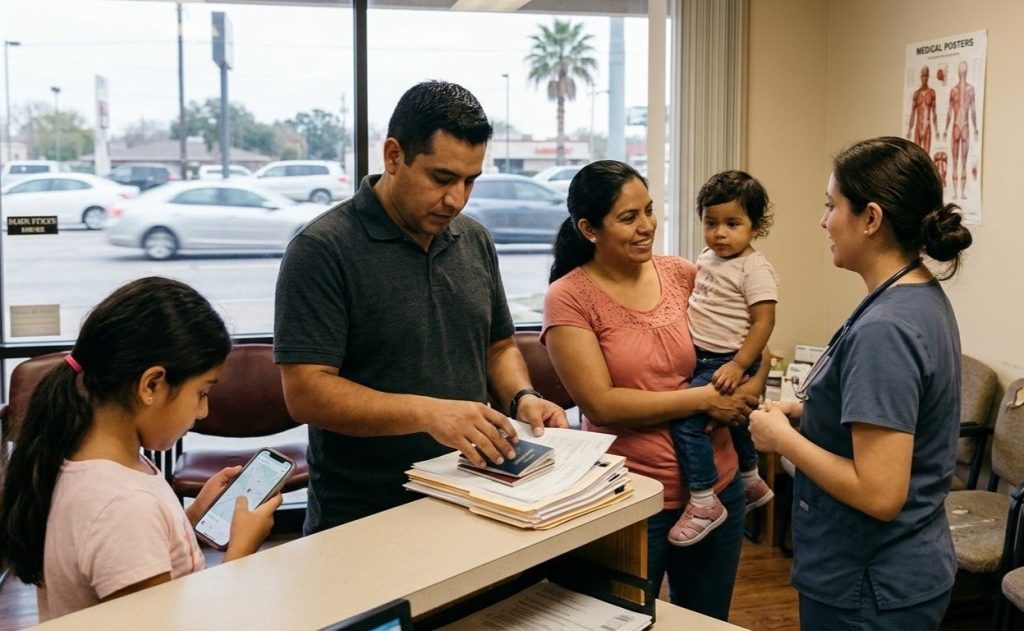
When visiting Immigration Medical Exam Clinic, bring:
- Photo identification
- Vaccination records
- Medical history documents
- Insurance information (if applicable)
- Completed forms, like I-693
Having these ready will make the process smoother and faster.
The Role of Medical History in Immigration Exams
Your medical history is a key component of the exam. Civil surgeons review past illnesses, surgeries, and medications to ensure your health is properly assessed.
Why Honesty is Important
Honesty isn’t just the right thing to do—it’s essential for a smooth exam. Failing to disclose medical conditions can lead to delays, additional testing, or complications with your immigration process. The staff at Immigration Medical Exam Clinic is trained to handle sensitive information discreetly and professionally.
Health Conditions That Could Affect Immigration
While drug use isn’t generally tested, certain health conditions could impact your immigration application.
Communicable Diseases Screening
Screenings for tuberculosis, syphilis, and other infectious diseases are standard. Detecting these conditions early helps protect public health and ensures that any treatment can begin promptly.
Mental Health Considerations
Mental health screenings focus on conditions that could pose a risk to self or others. Doctors approach this aspect with sensitivity and confidentiality, prioritizing wellness over judgment.
Immigration Medical Exam Results: What Happens Next
After your exam, your results are compiled into Form I-693, which is then submitted to USCIS.
Receiving Your Report
The clinic provides your report in a sealed envelope, ready to be submitted with your immigration application. Keep copies for your personal records.
Next Steps After Your Exam
Once submitted, USCIS reviews your results. If follow-up testing or treatment is required, the civil surgeon will guide you. Most applicants experience no delays if all paperwork is complete and accurate.
Immigration Medical Exam Clinic Serving the Bellaire Community and Beyond in Houston
Immigration Medical Exam Clinic is dedicated to serving the diverse needs of the local community of Houston, including individuals residing in neighborhoods like Bellaire. With its convenient location near landmarks such as the Bellaire-Zindler Park and major intersections like Beechnut St. and W Loop S. (coordinates: 29.689720830136608, -95.4627531309153), we offer the immigration doctor Houston services.
Get Immigration Doctor Services At Bellaire Now
Call Us Now
Navigate from Bellaire to Immigration Medical Exam Clinic Now
Staying Informed and Prepared
Do they test for drugs on immigration physicals? For most applicants, the answer is a reassuring no. Immigration medical exams focus on public health, not personal habits.
By understanding the process, preparing thoroughly, and working with trusted providers like Immigration Medical Exam Clinic in Bellaire, you can approach your exam with confidence. Knowledge, honesty, and readiness are your best allies in navigating immigration successfully.
FAQs
1. Are immigration medical exams required for all visa types?
Yes, most applicants seeking permanent residency or certain long-term visas must undergo an exam.
2. How long does an immigration medical exam take?
Typically 30–60 minutes, depending on medical history and required tests.
3. Will a positive drug test automatically affect my immigration status?
Drug testing is uncommon and targeted. A positive result does not automatically lead to denial but may require follow-up.
4. Can I choose my doctor for the immigration exam?
Yes, but it must be a USCIS-certified civil surgeon, such as those at Immigration Medical Exam Clinic in Bellaire.
5. What if I have a medical condition that concerns me?
Disclose it honestly; your civil surgeon will evaluate it professionally, focusing on health and safety.