Can An Immigration Doctor Refuse To Sign My Form
February 18, 2026
Going through the U.S. immigration process can feel like navigating a maze, especially when you reach the medical exam stage. One question that often comes up is: Can an immigration doctor refuse to sign my form? The answer is yes, but understanding why and what you can do about it makes the process a lot less stressful.
This guide dives into the details, helping you understand your rights, the doctor’s responsibilities, and practical steps to ensure your medical exam goes smoothly.
Understanding the Role of an Immigration Doctor
What Immigration Doctors Do
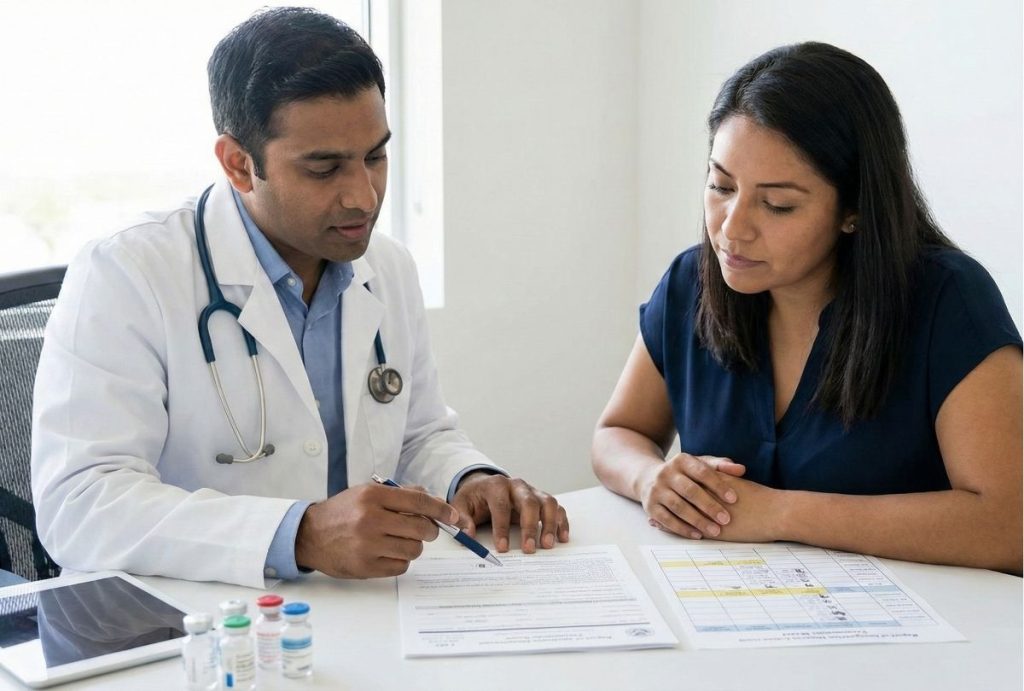
Immigration doctors, also called civil surgeons, play a very specific role. Unlike your regular doctor, their job is tied to federal guidelines set by USCIS and the CDC. They are responsible for evaluating your health to make sure you meet immigration requirements.
This includes reviewing your vaccination history, screening for communicable diseases, checking your general physical health, and sometimes assessing your mental well-being. Their job isn’t to approve or deny your immigration status, it’s to certify your health accurately. Think of them as gatekeepers for health compliance, not immigration officers.
The Importance of the Form I-693
The Form I-693, also called the Report of Medical Examination and Vaccination Record, is a critical document. USCIS requires it for most green card applicants. The form essentially proves that you meet U.S. health standards.
If your form is incomplete, inaccurate, or missing key medical information, the doctor cannot legally sign it. A refusal at this stage may feel frustrating, but it’s meant to protect both your health and the public’s. A properly completed form helps prevent delays in your immigration case, making this signature extremely important.

Reasons a Doctor Might Refuse to Sign
While a refusal can be unsettling, it usually comes with valid reasons. Doctors follow strict rules, and signing off prematurely could land them in legal trouble.
Medical Conditions That Require Attention
Doctors are legally required to report certain medical conditions. Untreated tuberculosis, certain sexually transmitted infections, or other communicable diseases are examples that can prevent a signature. Even chronic conditions like uncontrolled diabetes or heart problems may require documentation showing you are under treatment.
The refusal isn’t a judgment, it’s a safety protocol. It ensures you receive proper care before entering the country.
Incomplete or Inaccurate Information
Missing vaccination records or vague medical histories are another common reason. The doctor relies on complete and accurate information to certify your health.
For instance, if your vaccination dates aren’t listed or your medical records are inconsistent, the doctor must pause. Signing without verification could violate USCIS rules and put both you and the doctor at risk.
Suspected Fraud or Misrepresentation
If a doctor suspects falsified documents or misleading statements, they are legally required to refuse signing. USCIS treats dishonesty seriously, and doctors cannot overlook it.
Providing truthful documentation and clarifying any discrepancies upfront helps avoid this situation. Think of the refusal as a signal to correct errors, not a personal rejection.
Legal Responsibilities of Immigration Doctors
Following CDC and USCIS Guidelines
Immigration doctors adhere to CDC and USCIS standards. These guidelines dictate vaccinations, screening tests, and reporting requirements. Ignoring them isn’t an option.
Every part of the medical exam must follow these rules. This is why doctors may refuse to sign if there’s a deviation, missing documentation, or an unresolved health concern.
Ethical Obligations in Medical Exams
Beyond legal requirements, doctors have ethical responsibilities. They must ensure their evaluations are accurate, fair, and protect public safety. Signing a form without proper verification compromises these principles.
Their refusal to sign doesn’t mean your case is denied, it simply ensures that the process is correct and that everyone’s safety is maintained.
How the Process Works at Immigration Medical Exam Clinic in Meyerland Area
Scheduling Your Exam
Booking an appointment at the Immigration Medical Exam Clinic in Houston is straightforward. Early planning helps you gather medical records, vaccination history, and previous test results. Walk-ins may be accepted, but scheduled appointments reduce waiting times and stress.
What Happens During the Exam
Physical Health Assessment
The doctor examines your overall physical health. They check vital signs, perform basic lab tests if necessary, and screen for conditions that could be of concern.
Vaccination Review
Vaccinations are a big focus. The doctor will review your records and may administer missing vaccines. Bringing complete and accurate records ensures faster processing and avoids refusal to sign.
Mental Health Screening
Mental health is part of the assessment. Conditions like severe psychiatric disorders are evaluated to ensure applicants can adjust safely. It’s not about judgment, it’s about providing care and documentation for USCIS.
Receiving Your Results and Form Completion
Once the exam is finished, the doctor compiles findings on Form I-693. Only when all requirements are satisfied will they sign it, officially certifying your health eligibility. If anything is missing, you’ll get clear instructions to complete or update records.
Steps to Take if a Doctor Refuses to Sign
Understanding the Reason
Ask for a detailed explanation. Knowing why the doctor refuses allows you to address the issue quickly. Clear communication can prevent frustration and unnecessary delays.
Seeking a Second Opinion
If necessary, you can consult another USCIS-approved doctor. A second opinion might confirm the first doctor’s assessment or offer guidance on resolving the issue.
Correcting Medical or Documentation Issues
Address any missing vaccinations, incomplete records, or untreated conditions. Once everything is corrected, the doctor can sign the form without problems. Prompt action avoids further delays in your immigration process.

Common Misunderstandings About Immigration Medical Exams
Doctors Are Not Gatekeepers
Doctors do not have the power to approve or deny immigration. Their role is strictly limited to health verification. A refusal to sign does not block your case, it signals that certain requirements need attention.
Clarifying Misconceptions About Refusals
Some applicants fear refusal as a personal judgment or punishment. In reality, refusals are usually procedural, aimed at ensuring the exam is accurate and all regulations are met.
Tips to Avoid Delays in Your Immigration Medical Exam
Preparing Your Medical History
Keep a detailed record of illnesses, surgeries, medications, and vaccines. Organized and clear records reduce the chance of missing information.
Bringing Required Documentation
Bring vaccination records, lab results, and prescription histories. Missing documentation often causes delays or refusal to sign.
Staying Honest and Transparent
Honesty is crucial. Omitting medical information or exaggerating conditions may trigger a refusal and alert USCIS to discrepancies. Transparency protects your application and speeds up the process.
Immigration Medical Exam Clinic Serving the Meyerland Area Community and Beyond in Houston
Immigration Medical Exam Clinic is dedicated to serving the diverse needs of the local community of Houston, including individuals residing in neighborhoods like Meyerland Area. With its convenient location near landmarks such as the Bellaire High School and major intersections like Lupin St & Evergreen St (coordinates: 29.698714044874517, -95.46275035095826), we offer immigration doctor Houston services.
Get Immigration Doctor Services at Meyerland Area Now
Navigate from Meyerland Area to Immigration Medical Exam Clinic Now
Navigating Immigration Medical Exams with Confidence
Immigration medical exams are an essential part of the U.S. immigration process. Doctors at the Immigration Medical Exam Clinic in Houston follow strict guidelines to ensure applicants meet health standards. A refusal to sign your Form I-693 is not personal, it protects your health, public safety, and compliance with federal regulations.
Being prepared, honest, and proactive ensures the process moves smoothly. Understanding the doctor’s role and the reasons behind refusals empowers you to navigate the exam confidently and avoid unnecessary delays.
FAQs
1. Can an immigration doctor refuse to sign without explanation?
No. Doctors must provide a clear reason, usually related to health concerns, missing documentation, or vaccination gaps.
2. How long does it take to correct issues if a doctor refuses to sign?
It depends on the issue. Missing vaccinations or incomplete records can be fixed in a few days, while untreated medical conditions may take longer.
3. Can I appeal if a doctor refuses to sign my Form I-693?
There is no formal appeal. The best approach is to correct the issues or consult another USCIS-approved doctor.
4. Are all doctors allowed to perform immigration exams?
No. Only USCIS-approved civil surgeons can conduct immigration medical exams and sign Form I-693.
5. How do I find a reliable immigration doctor in Houston?
Look for USCIS-approved civil surgeons like those at Immigration Medical Exam Clinic. Check local referrals and reviews to ensure credibility.