How Is A Physical Examination Done?
September 27, 2025
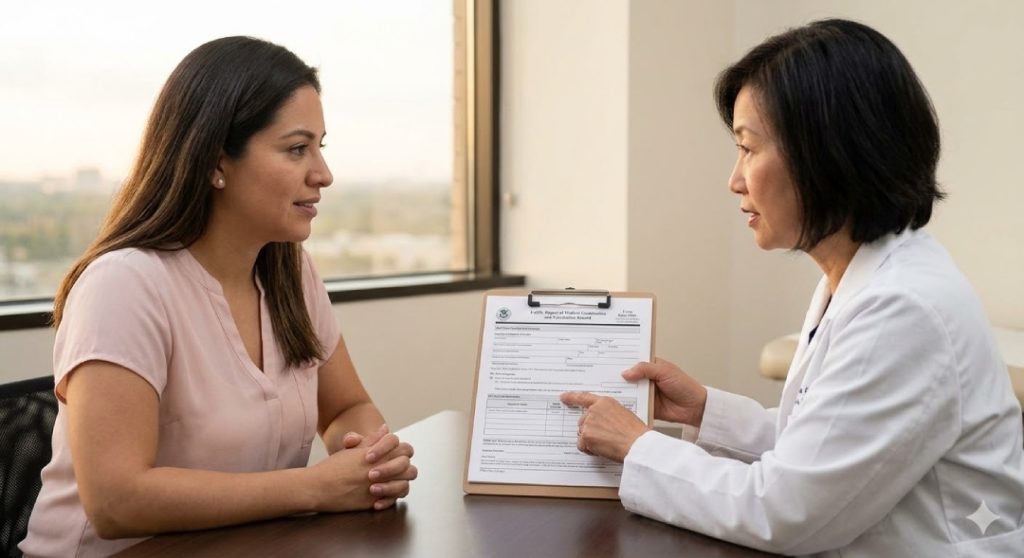
A physical examination is one of the most common procedures in healthcare. It provides a complete picture of a person’s overall health and helps doctors detect conditions early. At Immigration Medical Exam Clinic, physical exams are performed with precision, care, and professionalism. If you are preparing for an immigration medical exam, or simply want to understand what happens during a physical check-up, this guide will walk you through the entire process step by step.
What Is a Physical Examination?
A physical examination is a systematic evaluation of the body conducted by a healthcare provider. It usually involves:
- Taking a detailed medical history.
- Assessing current symptoms and lifestyle.
- Performing head-to-toe checks using observation, palpation (gentle touch), percussion (tapping), and auscultation (listening with a stethoscope).
- Ordering additional tests if necessary.
This structured approach helps ensure that no important area of health is overlooked.
Why Physical Examinations Are Done
Physical exams serve different purposes depending on the situation. Some of the most common reasons include:
- Routine health check-ups: Many people undergo yearly exams to monitor their health.
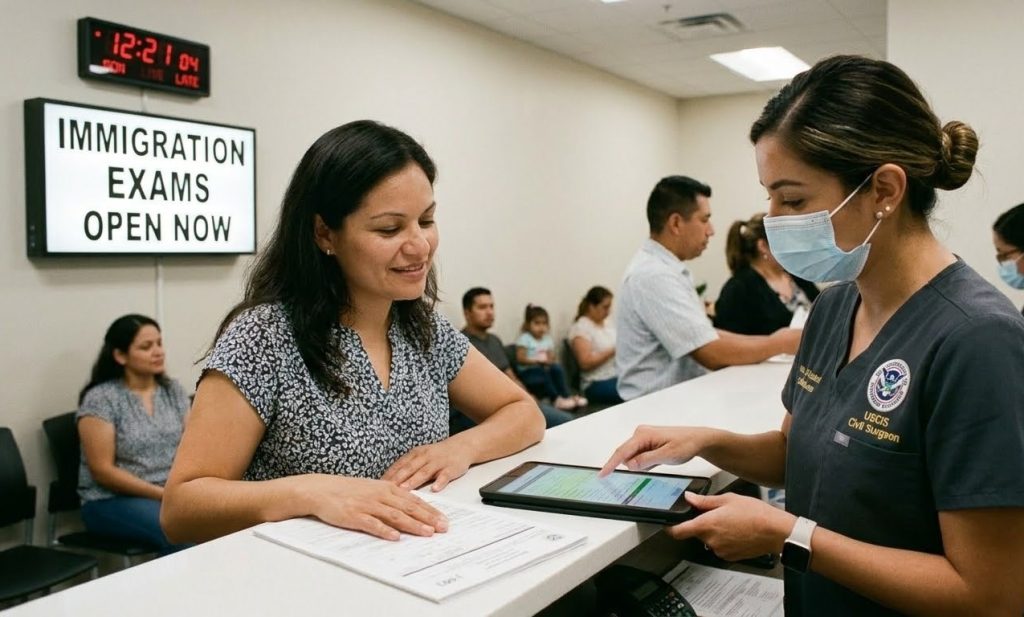
- Immigration requirements: Applicants for U.S. immigration must complete a physical examination as defined in USCIS medical guidelines.
- Employment or school clearance: Certain jobs or schools require medical clearance.
- Monitoring chronic conditions: People with diabetes, heart disease, or other long-term illnesses often need periodic physicals.
In each case, the aim is to identify concerns early and provide the right care.
Preparing for a Physical Examination
Preparation makes the process smoother and ensures accurate results. Patients are usually asked to:
- Bring a list of current medications, including supplements.
- Provide vaccination records, especially when completing Form I-693 for immigration.
- Avoid heavy meals or caffeine before tests like blood pressure checks.
- Wear comfortable clothing that can be easily removed or adjusted.
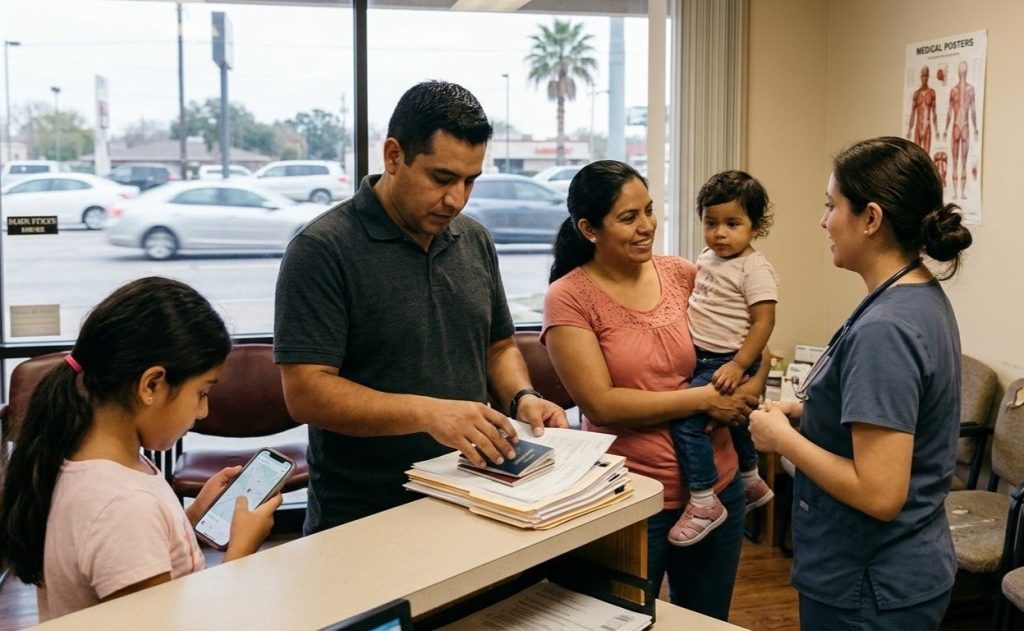
At Immigration Medical Exam Clinic, our team also advises patients on specific documents they need to bring for USCIS compliance.
Steps in a Physical Examination
Physical exams may vary slightly depending on age, gender, and medical history, but the general structure remains consistent.
1. Medical History Review
The process often begins with a conversation. The doctor asks about:
- Past illnesses, surgeries, or hospitalizations.
- Family medical history.
- Lifestyle habits such as diet, exercise, smoking, or alcohol use.
- Current symptoms or health concerns.
This discussion provides context for the physical findings.
2. Vital Signs Measurement
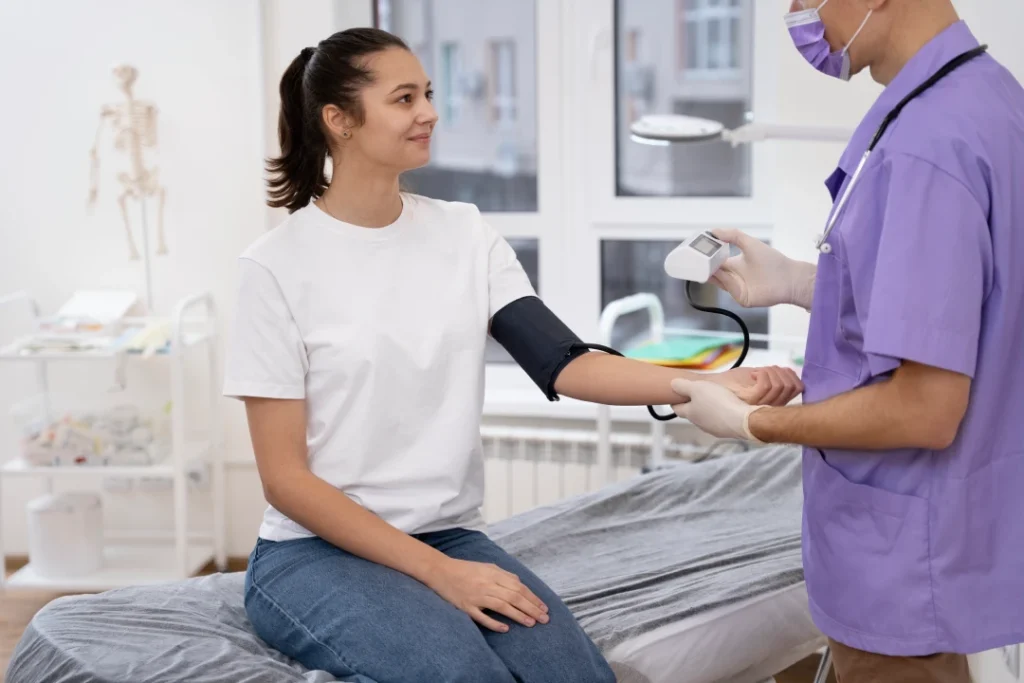
Checking vital signs gives an immediate snapshot of overall health. The provider measures:
- Blood pressure – to assess heart and circulation.
- Heart rate – the number of beats per minute.
- Respiratory rate – breathing speed and pattern.
- Temperature – to detect fever or infection.
- Oxygen saturation – in some cases, to monitor oxygen levels.
3. General Appearance Assessment
Doctors often gain important insights by simply observing the patient’s general condition, posture, and alertness. They check for signs of discomfort, skin tone, and mobility.
4. Head and Neck Examination
This section includes:
- Eye health and pupil response.
- Ear inspection and hearing checks.
- Nose and throat evaluation for congestion or infection.
- Lymph node palpation for swelling.
- Thyroid gland check for enlargement.
5. Cardiovascular and Respiratory Examination
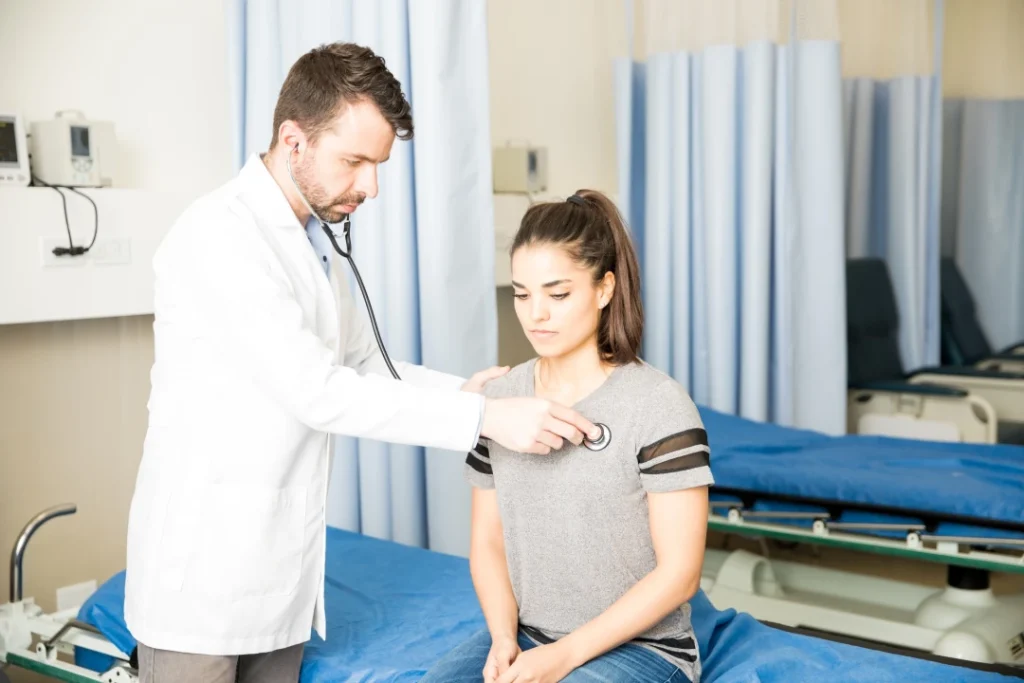
The doctor uses a stethoscope to listen to the heart and lungs. They assess:
- Heart rhythm and presence of murmurs.
- Lung sounds such as wheezing or crackles.
- Breathing pattern and chest movement.
6. Abdominal Examination
The abdomen is inspected and gently palpated to detect:
- Organ size and tenderness.
- Bowel sounds.
- Signs of swelling or masses.
7. Musculoskeletal System
The provider checks joints, bones, and muscles for strength, flexibility, and movement. Simple activities, such as walking or bending, may be observed.
8. Neurological Examination
Neurological checks often include:
- Reflex testing.
- Coordination and balance.
- Mental status and orientation.
- Muscle strength and sensation.
9. Skin and Extremities
Skin health can reveal many internal conditions. Doctors check for:
- Rashes or unusual lesions.
- Nail health.
- Circulation in hands and feet.
10. Gender-Specific Exams
Depending on the patient, certain specialized checks may be included:
- For men: testicular or prostate examination.
- For women: breast or pelvic examination.
Additional Tests That May Be Ordered
Sometimes, a physical exam leads to further testing, especially in the immigration process where specific screenings are required. At Immigration Medical Exam Clinic, common follow-up tests include:
- Blood tests: Screening for syphilis and other conditions.
- Urine tests: Checking for infections or metabolic issues.
- Chest X-ray: Often used if tuberculosis testing is positive.
- Vaccination review: Ensuring compliance with USCIS requirements.
How Long Does a Physical Examination Take?
A standard exam usually lasts between 30 minutes to an hour, depending on complexity. Immigration-related exams may take slightly longer because of the documentation involved, including sealing Form I-693 in compliance with USCIS instructions.
What Patients Can Expect After the Exam
After the examination, the doctor may:
- Provide immediate feedback on findings.
- Recommend further tests or specialist care if needed.
- For immigration exams, complete, seal, and sign Form I-693. Patients also receive a copy for their personal records.
This ensures the results are ready for submission to U.S. immigration authorities.
Physical Examination in the Context of Immigration
For immigration purposes, the physical exam has additional requirements beyond a routine check-up. These include:
- Screening for communicable diseases such as tuberculosis, gonorrhea, and syphilis.
- Reviewing vaccination history to confirm compliance with U.S. standards.
- Assessing mental health and substance use history as defined in USCIS medical exam instructions.
At Immigration Medical Exam Clinic, our doctors are designated civil surgeons authorized by USCIS to perform these evaluations. This ensures applicants meet all necessary health requirements for their immigration process.
Benefits of Undergoing a Physical Examination
A well-conducted physical exam offers several benefits:
- Early detection of health issues.
- Updated vaccination records.
- A reliable health baseline for future comparison.
- Meeting legal or organizational requirements, such as immigration.
By completing a physical exam at Immigration Medical Exam Clinic, patients gain peace of mind knowing their health has been thoroughly evaluated in line with USCIS standards.
Common Concerns About Physical Examinations
Many patients feel nervous before their exam. Some of the most common concerns include:
- Will it be painful?
Physical exams are generally painless. Some parts, such as blood draws, may cause minor discomfort. - Do I need to fast?
In most cases, fasting is not required unless specific blood tests are scheduled. - What if a health issue is found?
If something unusual is detected, the doctor will explain the next steps clearly and provide recommendations.
Immigration Medical Exam in Houston – Trusted Care at Piney Point Village
Looking for a reliable and professional immigration medical exam in Houston? At Immigration Medical Exam Clinic, located near Piney Point Village, we provide thorough and accurate examinations required by USCIS. Our experienced team of designated civil surgeons ensures every step, from medical history review to lab tests and Form I-693 completion, is handled with care and precision.
Why choose us? We combine professionalism with a patient-centered approach, offering clear guidance, a comfortable environment, and fast, accurate results. Whether you’re completing your immigration paperwork or preparing for a routine health check, Immigration Medical Exam Clinic is your trusted choice in Houston. Schedule your appointment today and experience hassle-free, reliable service near Piney Point Village.
Immigration Medical Exam Clinic Serving the Piney Point Village Community and Beyond in Houston
Immigration Medical Exam Clinic is dedicated to serving the diverse needs of the local community of Houston, including individuals residing in neighborhoods like Piney Point Village. With its convenient location near landmarks such as the Iglesia Fuente De Esperanza and major intersections like Memorial Dr. and Bylane Dr. (coordinates: 29.75267333329706, -95.52488615532506), we offer immigration medical exam Houston services.
Get Immigration Medical Exam Services at Piney Point Village Now
Call Us Now
Navigate from Piney Point Village to Immigration Medical Exam Clinic Now
Final Thoughts
A physical examination is a structured, professional process designed to evaluate health, identify conditions early, and meet specific requirements such as immigration. At Immigration Medical Exam Clinic, our focus is on delivering accurate, compassionate, and thorough exams that meet both personal health needs and official USCIS guidelines.
Whether you are preparing for immigration paperwork or simply prioritizing your health, understanding how a physical examination is done can reduce stress and help you feel prepared.
FAQs
1. What happens during an immigration physical examination?
During an immigration physical exam at Immigration Medical Exam Clinic, a designated civil surgeon reviews your medical history, measures vital signs, examines your body from head to toe, and conducts tests for communicable diseases. The process also includes reviewing vaccinations and completing Form I-693 for USCIS submission.
2. How should I prepare for my physical examination?
You should bring a list of current medications, vaccination records, and any relevant medical documents. Wear comfortable clothing and follow any fasting instructions if blood tests are scheduled. Our team at Immigration Medical Exam Clinic provides clear guidance to make the process smooth and stress-free.
3. How long does a physical examination take?
A standard physical exam usually lasts between 30 minutes to an hour. Immigration-related exams may take slightly longer due to documentation requirements, including the completion and sealing of Form I-693.
4. Are additional tests required during an immigration medical exam?
Yes. Depending on your medical history and USCIS guidelines, additional tests such as blood tests for syphilis, urine tests, chest X-rays for tuberculosis, and vaccination verification may be required. All tests are conducted professionally at Immigration Medical Exam Clinic.
5. Can a physical examination detect serious health issues?
Yes. A thorough physical exam helps detect underlying health concerns early, including heart or lung issues, infections, and other conditions. Regular exams at Immigration Medical Exam Clinic provide a reliable health assessment and peace of mind while meeting USCIS requirements.