How Immigration Doctors Evaluate Your Health For Form I-693
March 13, 2026
For many immigrants, the journey toward permanent residency in the United States is filled with paperwork, deadlines, and important appointments. One of the most crucial steps along this path is the immigration medical exam, which determines whether applicants meet the health standards required by U.S. immigration authorities.
This evaluation is documented through Form I-693, formally called the Report of Immigration Medical Examination and Vaccination Record. The purpose of this form is simple but important: it confirms that applicants do not have certain health conditions that could pose a risk to public health in the United States.
If you’re applying for adjustment of status and living near Braeburn, understanding how immigration doctors evaluate your health can make the entire experience much smoother. Instead of feeling uncertain or anxious about what will happen during the exam, you’ll know exactly what to expect.
Think of the immigration medical exam as a health clearance checkpoint—similar to a routine physical but designed specifically to meet immigration standards. Let’s take a closer look at how doctors perform these evaluations and why each step matters.
Understanding the Purpose of Form I-693
Before diving into the details of the examination process, it helps to understand why this form exists in the first place.
What Is the Immigration Medical Exam?
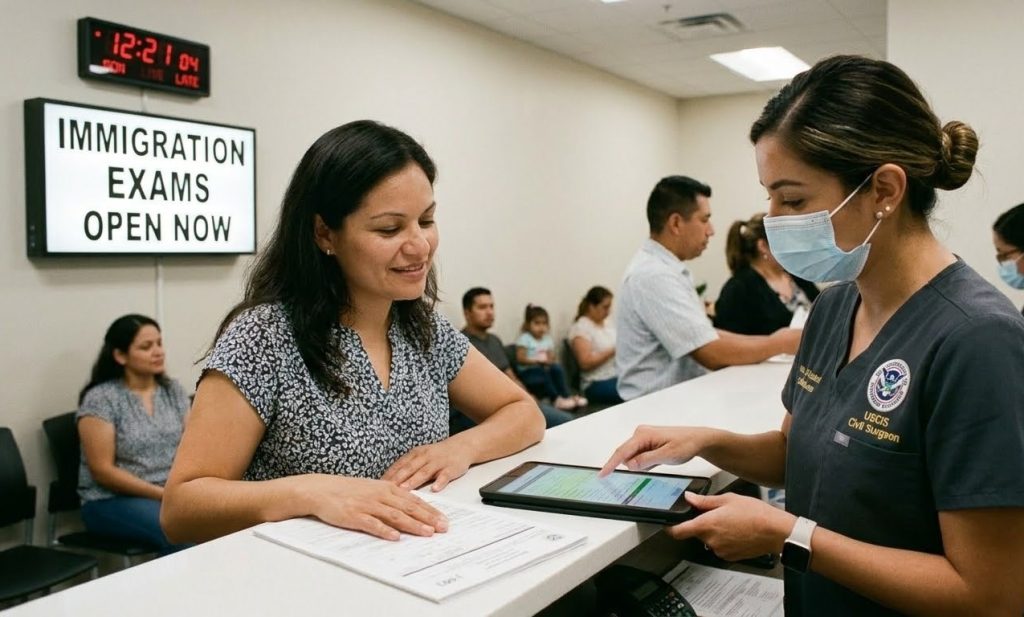
The immigration medical exam is a required health screening for individuals applying for permanent residency (Green Card) or certain visa categories in the United States. It must be performed by a USCIS-authorized physician and documented on Form I-693.
During this exam, the doctor evaluates multiple aspects of your health, including:
- Your medical history
- Your current physical health
- Required vaccinations
- Potential communicable diseases
In many ways, the immigration medical exam is similar to an annual check-up with your primary doctor. However, the key difference is that the immigration exam focuses on public health concerns rather than personal medical treatment.
Imagine entering a new country as joining a large community. Just like schools require vaccinations to protect students, immigration medical exams ensure everyone entering the system meets certain health standards.
Why USCIS Requires Medical Evaluations
USCIS requires medical exams to ensure that individuals entering or remaining in the United States do not have health conditions that could endanger public health or place significant strain on healthcare systems.
The exam helps identify several categories of concern, including:
- Communicable diseases of public health significance
- Lack of required vaccinations
- Physical or mental disorders associated with harmful behavior
- Drug abuse or addiction
These evaluations are not meant to exclude people unfairly. Instead, they help maintain public safety and disease prevention, similar to airport security measures that keep travelers safe.
Most applicants pass their immigration medical exam without issues. In fact, the majority of problems discovered—such as missing vaccines—can easily be corrected during the process.
Who Is Authorized to Conduct the Immigration Medical Exam
Many applicants assume that any doctor can perform this exam, but that’s not the case.
What Is a USCIS Civil Surgeon?
A civil surgeon is a licensed physician who has been specifically authorized by USCIS to conduct immigration medical examinations.
These doctors receive special approval because they are trained to follow the guidelines set by the Centers for Disease Control and Prevention (CDC) for immigration health screenings.
Civil surgeons are responsible for several important tasks:
- Conducting the medical examination
- Ordering required lab tests
- Verifying vaccination records
- Completing and sealing Form I-693
Their role is similar to that of a medical inspector in the immigration process—ensuring applicants meet health requirements before their applications move forward.
Why You Must Visit an Approved Immigration Doctor
If your immigration medical exam is not completed by a USCIS-designated civil surgeon, the results will not be accepted by immigration authorities.
This requirement exists to maintain standardized medical evaluations nationwide. Without it, exam results could vary significantly depending on the doctor.
By using approved physicians, USCIS ensures:
- Consistent medical screening standards
- Accurate documentation
- Compliance with federal health guidelines
Choosing the right doctor from the start prevents delays and helps ensure your application proceeds smoothly.
What to Expect Before Your Immigration Medical Exam
Preparing ahead of time can make your appointment much easier.
Documents You Need to Bring
The immigration medical exam requires several important documents. Bringing the right paperwork helps avoid delays and unnecessary repeat visits.
Identification and Immigration Documents
At your appointment, you will need a valid government-issued photo ID. This helps confirm your identity and ensures the correct information is recorded on Form I-693.
Commonly accepted identification includes:
- Passport
- Driver’s license
- State ID card
In some cases, you may also need your USCIS appointment instructions or immigration paperwork.
Vaccination Records
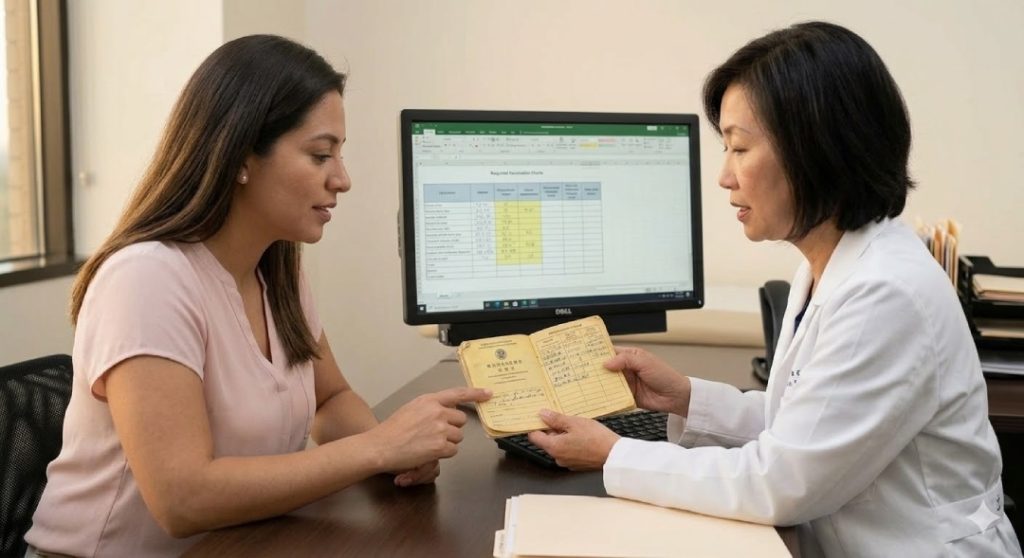
Vaccination records are one of the most important items to bring to your exam.
If you already received required vaccines in the past, documentation allows the doctor to record them without repeating the immunizations.
Common vaccines reviewed during immigration exams include:
- Measles, Mumps, and Rubella (MMR)
- Hepatitis B
- Tetanus and Diphtheria
- COVID-19
- Influenza
Without proof of vaccination, applicants may need to receive the vaccines again during their appointment.
Preparing for Your Appointment
A little preparation goes a long way toward making the exam stress-free.
Helpful tips include:
- Arriving early to complete paperwork
- Bringing glasses or medical devices if you use them
- Preparing a list of medications you take
- Getting enough rest the night before
Think of it like preparing for an important meeting—you want to arrive organized and ready.
Health Screening Process for Form I-693
Once your appointment begins, the doctor will conduct several evaluations to assess your health.
Review of Medical History
The exam typically begins with a detailed discussion about your medical history.
You may be asked about:
- Previous illnesses
- Hospital stays
- Surgeries
- Chronic conditions
- Current medications
Doctors use this information to understand your overall health background.
Honesty is essential here. Providing accurate information allows the physician to complete the exam properly and avoids complications later in your immigration process.
Physical Examination
Next comes the physical exam, which resembles a routine check-up.
The doctor will typically evaluate:
- Blood pressure
- Heart and lung function
- Eyes and ears
- Abdomen
- Skin condition
- Reflexes and neurological responses
This part of the exam helps determine your general health status.
Most applicants find this portion quick and straightforward.
Tuberculosis (TB) Testing
Tuberculosis screening is mandatory for most immigration applicants.
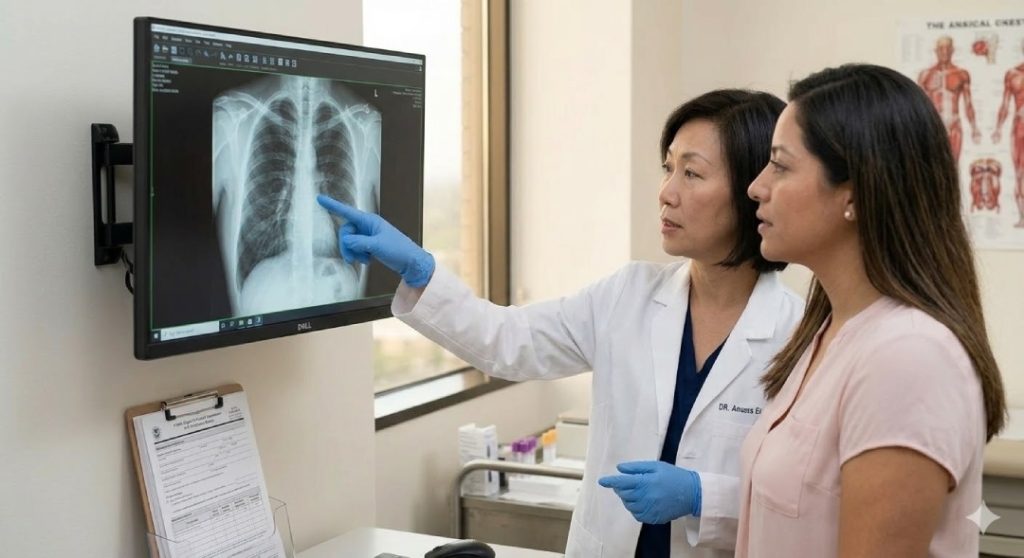
Today, many clinics use a blood test called an IGRA test to detect TB infection.
If the test results suggest possible TB exposure, a chest X-ray may be required to rule out active tuberculosis.
TB testing is one of the most critical steps because the disease is highly contagious if untreated.
Blood Tests for Communicable Diseases
Applicants aged 15 and older must undergo blood testing for certain communicable diseases.
These tests typically screen for:
- Syphilis
- Gonorrhea
The testing process is simple and involves a small blood sample collected by a medical professional.
Vaccination Assessment
After reviewing your records, the doctor determines whether you meet CDC vaccination requirements.
If vaccines are missing, the doctor may administer them during your appointment.
This step ensures applicants are protected against diseases that could easily spread within communities.
Common Vaccines Required for Immigration
The specific vaccines required depend on your age and medical history.
Vaccines for Adults
Common vaccines for adults include:
- Tetanus and Diphtheria
- MMR
- Hepatitis B
- COVID-19
- Influenza
Doctors carefully review each case to determine which vaccines are necessary.
Vaccines for Children
Children often require additional immunizations.
These may include:
- Polio
- Rotavirus
- Varicella (Chickenpox)
- Pneumococcal vaccines
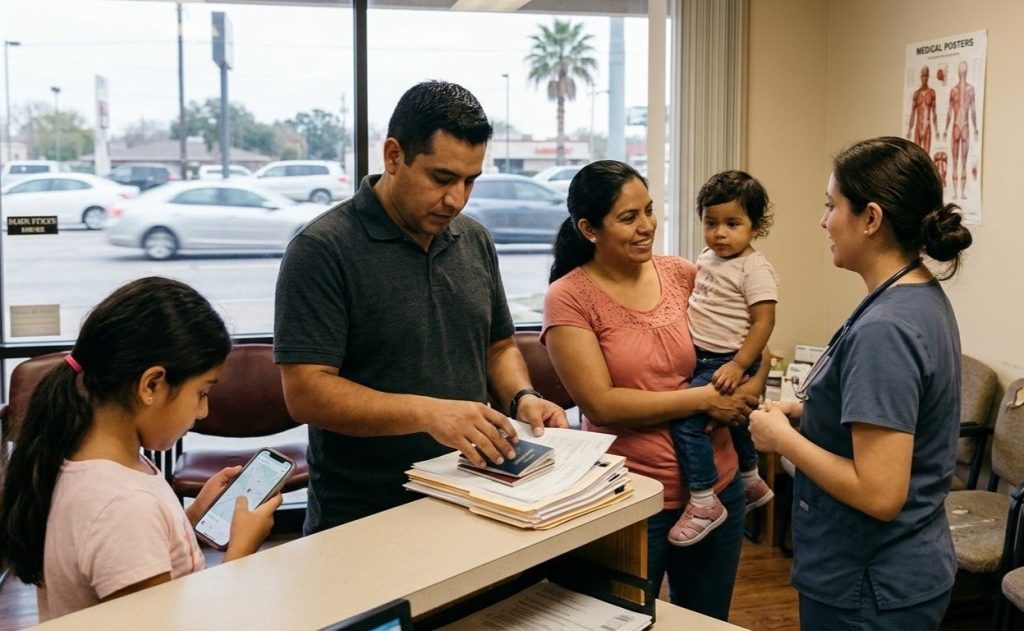
Parents should bring complete vaccination records whenever possible.
Mental Health and Behavioral Evaluation
Mental health is another important part of the evaluation.
Substance Abuse Screening
Doctors evaluate whether applicants have a history of drug abuse or addiction.
If current substance abuse is identified, additional evaluation may be required before immigration approval.
Mental Health Concerns
The doctor may also evaluate mental health conditions associated with harmful behavior.
However, having a mental health condition does not automatically disqualify applicants. Doctors simply determine whether the condition poses a risk to others.
What Happens If a Health Issue Is Found
Discovering a health issue during the exam does not automatically stop the immigration process.
Treatable Conditions
Many issues—like infections or missing vaccinations—can be resolved quickly.
Once treatment is completed, the applicant may continue the immigration process.
Waivers for Certain Medical Conditions
In some cases, immigration law allows medical waivers.
Examples include:
- Religious vaccine exemptions
- Certain manageable medical conditions
Waivers allow applicants to proceed even if certain health requirements are not fully met.
Immigration Medical Exam Clinic
Immigration Medical Exam Clinic near Braeburn
For individuals completing the immigration process in Braeburn, finding a reliable medical provider is an important step. Immigration Medical Exam Clinic specializes in immigration health examinations and provides services tailored specifically for Form I-693 requirements.
The clinic follows all USCIS guidelines and ensures that each medical exam is conducted accurately, efficiently, and in full compliance with federal regulations. Their experienced medical staff understands the immigration process and works to make the experience straightforward for every applicant.
Why Local Applicants Choose Immigration Medical Exam Clinic
Many applicants in Braeburn choose Immigration Medical Exam Clinic because of its focused expertise in immigration medical services.
Patients often appreciate:
- Efficient appointment scheduling
- Knowledgeable civil surgeons
- Clear explanations of Form I-693 requirements
- Streamlined medical exam procedures
This specialized approach helps applicants avoid confusion and unnecessary delays.
What Makes the Clinic Reliable
Reliability matters when dealing with immigration paperwork. Even small mistakes on Form I-693 can delay an immigration case.
Trusted clinics ensure:
- Accurate medical documentation
- Proper laboratory testing
- Correct vaccination verification
- Securely sealed forms for USCIS submission
These steps help ensure your application moves forward without complications.
How Long the Immigration Medical Exam Process Takes
Many applicants wonder how much time they should set aside for the process.
Timeline for Receiving Form I-693
The medical exam itself usually takes 30 to 60 minutes.
However, laboratory testing may require several days before results are finalized.
Once everything is complete, the doctor prepares and seals Form I-693, which must remain unopened when submitted to USCIS.
Tips for a Smooth Immigration Medical Exam
A little planning can make the entire process easier.
Avoiding Common Mistakes
Some common mistakes applicants make include:
- Forgetting vaccination records
- Bringing incorrect identification
- Scheduling the exam too late
- Visiting a non-approved doctor
Avoiding these mistakes can save time and prevent delays.
Scheduling Your Appointment Early
Scheduling your exam early in the immigration process is always a smart decision.
Doing so provides enough time to complete lab testing, receive vaccines, and address any potential health concerns before submitting your application.
Immigration Medical Exam Clinic Serving the Braeburn Community and Beyond in Houston
Immigration Medical Exam Clinic is dedicated to serving the diverse needs of the local community of Houston, including individuals residing in neighborhoods like Braeburn. With its convenient location near landmarks such as the Braeburn Glen Park and major intersections like Bissonnet St and Wateka Dr (coordinates: 29.68072761539845, -95.52486389039026), we offer immigration doctor Houston services.
Get Immigration Doctor Services at Braeburn Now
Call Us Now
Navigate from Braeburn to Immigration Medical Exam Clinic Now
Conclusion
Completing the immigration medical exam for Form I-693 is a vital step in the immigration process. Although it may seem intimidating at first, the evaluation is actually designed to protect both applicants and the public.
From reviewing medical history to verifying vaccinations, immigration doctors follow a structured process that ensures applicants meet U.S. health standards.
For individuals in Braeburn, choosing a trusted provider like Immigration Medical Exam Clinic can simplify the experience and ensure your medical documentation is completed correctly.
With the right preparation and guidance, the immigration medical exam becomes just another step toward achieving your goal of permanent residency.
FAQs
1. What is Form I-693 used for?
Form I-693 documents the results of your immigration medical exam and confirms that you meet U.S. health requirements for permanent residency.
2. How long is Form I-693 valid?
Form I-693 is typically valid for two years from the date the civil surgeon signs it.
3. Can my personal doctor complete the immigration medical exam?
No. Only USCIS-authorized civil surgeons can conduct the exam and complete Form I-693.
4. What happens if I don’t have vaccination records?
If you cannot provide vaccination records, the doctor may administer the required vaccines during your appointment.
5. Do I need to fast before the medical exam?
In most cases, fasting is not required, but you should follow any instructions provided by the clinic when scheduling your appointment.