What may cause you to fail an immigration medical exam?
September 16, 2025
Immigrating to a new country is not just about paperwork, it’s about proving that you can live safely and healthily in your new community. Governments require the immigration medical exam because they want to protect public health and reduce the burden on healthcare systems.
Imagine a community where applicants enter with untreated contagious diseases or severe health conditions without oversight. It would put others at risk and create unnecessary challenges. The exam acts as a checkpoint, making sure applicants meet health standards before being granted residency.
Who Needs to Take It
Not everyone who visits a country temporarily needs this exam. Tourists, students on short-term visas, and many temporary workers are exempt. However, if you’re applying for permanent residency, refugee status adjustment, or long-term work authorization, the medical exam is a must. Family-based applicants, fiancé(e) visa holders, and employer-sponsored candidates typically fall under this requirement. In short, if your plan is to make a country your home, you’ll need to complete the exam.

Common Medical Grounds for Inadmissibility
Communicable Diseases of Public Health Concern
One of the primary focuses of the exam is identifying contagious diseases. Public health officials do not want diseases spreading through communities, so they strictly monitor certain conditions.
Tuberculosis
Tuberculosis (TB) is one of the most common reasons applicants fail the exam. Even without visible symptoms, TB can be caught through chest X-rays and blood or skin tests. If active TB is found, treatment is required before you can move forward. Some applicants are allowed to pause the process, complete treatment, and then reapply.
Syphilis
Syphilis is a sexually transmitted infection that examiners test for through bloodwork. The presence of untreated syphilis leads to automatic failure. Fortunately, it’s curable with antibiotics. Once treated and documented, applicants can often proceed.
Gonorrhea
Like syphilis, gonorrhea is a curable infection. The exam ensures that applicants do not carry untreated sexually transmitted diseases that can spread rapidly within communities.
Drug or Substance Abuse Issues
Substance misuse is a major red flag. If the examiner finds evidence of recent drug use or dependence, the applicant may be deemed inadmissible. This does not mean that anyone with a past history of drug use will fail, examiners typically focus on current dependency and ongoing abuse.
Mental Health Conditions Linked to Harmful Behavior
Not every mental health issue disqualifies applicants. Depression, anxiety, or managed bipolar disorder rarely block approval. The issue arises when conditions have led to violent behavior, self-harm, or threats to public safety. In such cases, examiners may decide the condition poses a risk unless treatment records show stability and management.
Incomplete Vaccination Records
Vaccinations are another stumbling block for many applicants. Required vaccines include measles, mumps, rubella, varicella, tetanus, pertussis, influenza, and hepatitis B (among others depending on age). If you lack proof, you’ll often be required to update your vaccinations during the exam. Failure to comply can cause delays or rejection.

Health-Related Red Flags That May Raise Concerns
Chronic Illnesses That Impact Daily Function
Having a chronic condition such as heart disease, diabetes, or asthma does not automatically disqualify you. However, if your illness is advanced and prevents you from performing daily activities independently, it may raise concerns. Immigration officials may worry about how well you’ll adjust and manage care in your new country.
Conditions That Could Require Extensive Medical Support
If an applicant’s condition suggests they’ll need constant, expensive medical care, the government might hesitate. They aim to admit individuals who can live independently without overwhelming public resources.
How Lifestyle Choices Influence Your Results
Alcohol and Substance Misuse
A history of alcohol abuse, especially with related arrests like DUI or hospitalization, can affect exam results. While moderate, social drinking isn’t a problem, long-term misuse signals potential risk. The exam isn’t about punishing habits but identifying health and behavioral risks that may endanger others.
Lack of Preventive Health Care
Many applicants overlook preventive care such as yearly checkups or timely vaccinations. While this doesn’t automatically cause failure, it often means additional testing or vaccinations are required during the exam, delaying approval.
Administrative and Documentation Errors
Missing Medical History Records
Incomplete medical records raise suspicion. If you’ve had past hospitalizations, surgeries, or significant treatments, examiners need to know. Concealing or failing to provide accurate records could delay or invalidate your application.
Failing to Bring Proper Identification
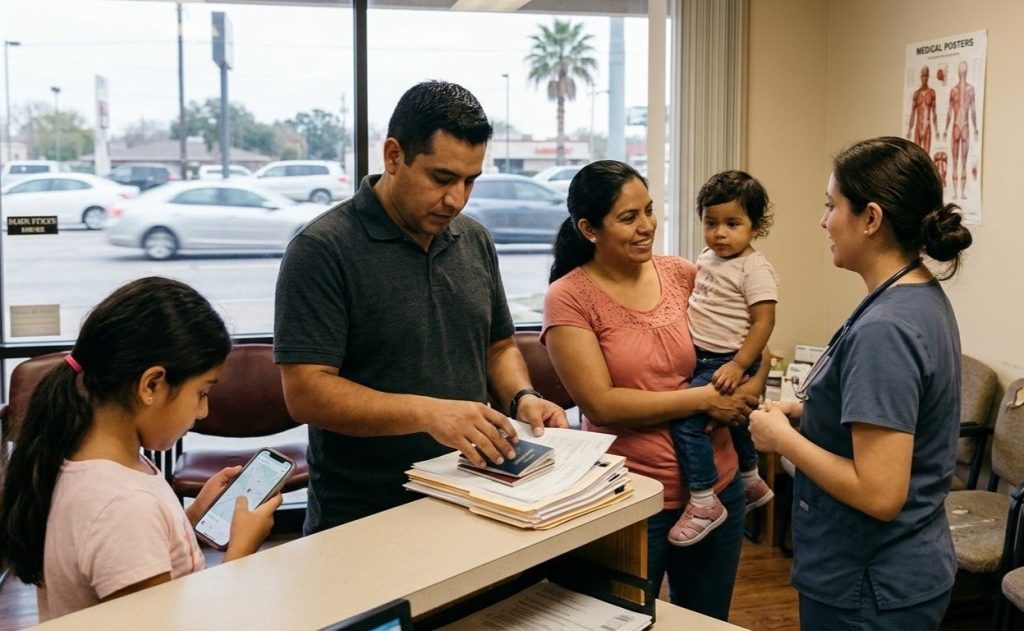
It might seem minor, but forgetting documents like passports, visa paperwork, or vaccination cards can lead to exam results being rejected. Without the correct identification, your results cannot be officially recorded or linked to your application.
Preparing for the Immigration Medical Exam
Gathering Your Medical Records
Preparation is half the battle. Collect everything: vaccination records, prescriptions, doctor’s notes, lab results, and hospital discharge papers. Having these in one folder shows transparency and prevents unnecessary repeat testing.
Following Pre-Exam Guidelines
Doctors may advise fasting, staying hydrated, or avoiding alcohol before your exam. These small steps ensure accurate lab results and help your exam proceed smoothly.
What Happens If You Fail the Exam
Waivers and Appeals Process
Failing doesn’t always mean rejection forever. Some applicants qualify for waivers, which acknowledge their condition while proving they pose no serious risk. The waiver process often requires legal assistance and supporting medical evidence.
Seeking Medical Treatment and Reapplying
If the reason for failure is a treatable condition, like TB or syphilis, treatment allows reapplication. Once you’ve completed treatment and can show documentation, your chances of passing increase significantly.
Tips for a Successful Immigration Medical Exam
Be Honest With Your Doctor
Examiners are trained to detect inconsistencies. Trying to hide medical history or substance use can backfire. Transparency builds trust and helps doctors guide you better.
Keep Up With Vaccinations
Updating vaccines before your exam saves time and reduces hassle. It also lowers costs, since some clinics charge extra for each missing vaccine.
Manage Chronic Conditions Responsibly
Bring updated prescriptions, lab reports, and doctor’s notes. Showing that you take your condition seriously demonstrates responsibility and increases your chances of approval.
Role of Immigration Medical Exam Clinic in Gulfton
Accessible Location in Gulfton
For applicants living in Gulfton, access to reliable medical services is essential. The Immigration Medical Exam Clinic near Gulfton provides convenient, trusted services designed specifically for immigration needs. This means applicants don’t need to travel far or risk errors with inexperienced providers.
Services Tailored for Immigration Applicants
The clinic’s team specializes in immigration-focused evaluations. They know the required vaccines, paperwork, and testing standards. This expertise reduces the risk of errors and speeds up approval. For many applicants, working with an experienced clinic in Gulfton makes the difference between a smooth process and months of delays.
Immigration Medical Exam Clinic Serving the Gulfton Community and Beyond in Houston
Immigration Medical Exam Clinic is dedicated to serving the diverse needs of the local community of Houston, including individuals residing in neighborhoods like Gulfton. With its convenient location near landmarks such as the Burnett Bayland Park and major intersections like Gulfton St. and Renwick Dr. (coordinates: 29.71670369714994, -95.48345486219654), we offer immigration medical physical Houston services.
Get Immigration Medical Physical at Gulfton Now
Call Us Now
Navigate from Gulfton to Immigration Medical Exam Clinic Now
Preparing for a Healthy Start in Your Immigration Journey
Failing an immigration medical exam can feel discouraging, but in most cases, it comes down to preparation. Untreated infections, missing vaccines, or incomplete records are the most common stumbling blocks, and they’re often fixable.
By managing your health, preparing documentation, and seeking guidance from a trusted provider like Immigration Medical Exam Clinic in Gulfton, you can approach your exam with confidence. Think of it not as an obstacle, but as a stepping stone to building your future.
FAQs
1. Do mental health conditions always cause denial?
Not necessarily. Only conditions linked to harmful or violent behavior raise major concerns. Managed conditions rarely lead to rejection.
2. Which vaccines are required for the immigration medical exam?
Required vaccines typically include MMR, varicella, tetanus, hepatitis B, influenza, and others based on age and season.
3. How long are exam results valid?
Results usually stay valid for two years, though this can vary depending on the immigration authority.
4. Can missing paperwork really make me fail?
Yes. Missing or incomplete identification and medical records can make your exam invalid.
5. Where can I take an immigration medical exam in Gulfton?
The Immigration Medical Exam Clinic near Gulfton offers reliable, applicant-focused services to ensure your medical exam meets all immigration requirements.