What Conditions Can Affect Your Immigration Medical Exam Approval?
December 30, 2025
Immigration is a life-changing journey, but it comes with responsibilities—one of the most important being the immigration medical exam. Think of this exam like a gateway to your new life: it ensures that you’re healthy enough to start fresh in a new country without posing a risk to yourself or the public. While it can seem intimidating, knowing what conditions can affect your approval and how to prepare can make the process much smoother.
In this article, we’ll break everything down in a clear, friendly way, so you know exactly what to expect when visiting a clinic like Immigration Medical Exam Clinic in Westchase.

Understanding the Immigration Medical Exam
The immigration medical exam is not just a casual health check—it’s a comprehensive evaluation designed to protect both the applicant and the public.
This exam ensures that you do not have communicable diseases that could spread, mental health issues that could be a concern, or conditions that might create a significant public burden. It’s like a multi-layered health checkpoint: every aspect of your health is reviewed, from vaccinations to chronic disease management.
Why the Exam Matters for Immigration
You might ask, “Why does the U.S. care about my health?” Well, the answer lies in public safety and long-term planning. Imagine a new city taking in thousands of residents every year—without health checks, contagious diseases could spread rapidly, and unmonitored chronic conditions could strain healthcare resources.
By passing the medical exam, you show that you’re ready to live independently and responsibly in your new community. It’s less about denying people and more about protecting everyone’s health and safety.
Who Conducts the Exam?
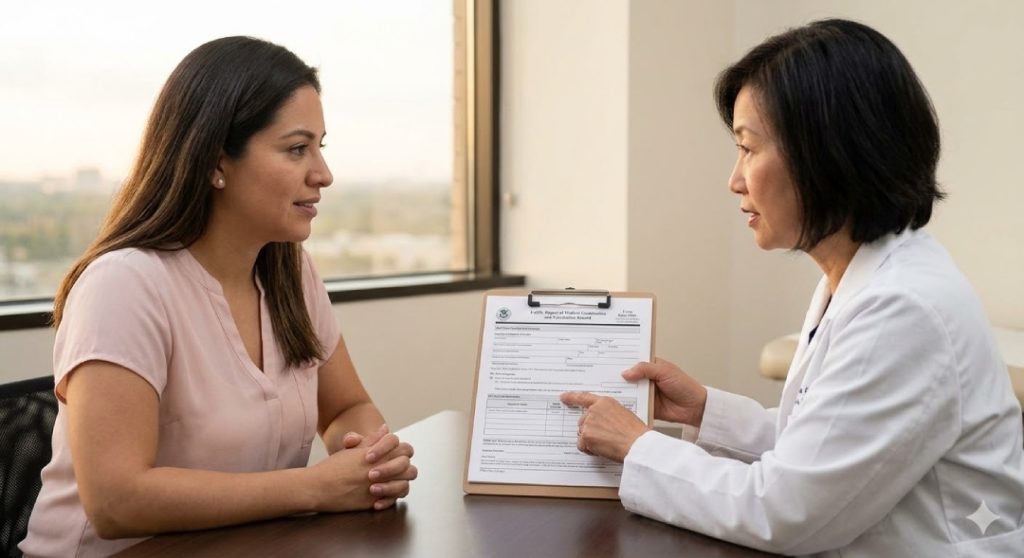
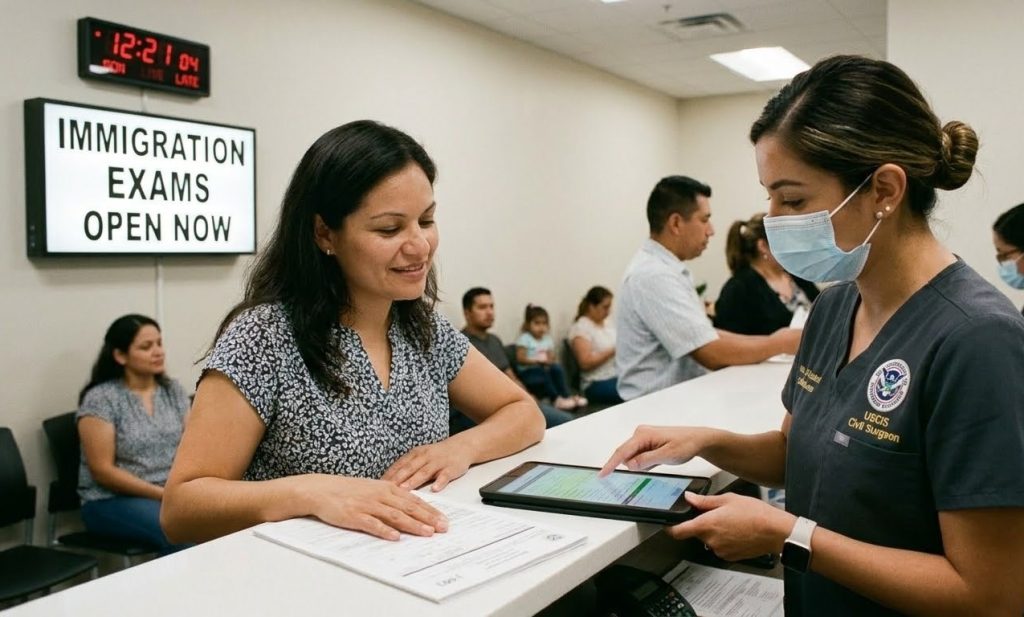
Not all doctors can perform this exam. Only USCIS-certified civil surgeons are authorized. These physicians are trained specifically in immigration-related health evaluations. Choosing a reputable clinic is crucial—think of it like hiring a tour guide for a complex city.
The right doctor knows the rules, understands the paperwork, and ensures that every step is completed correctly. Without the right guidance, even minor mistakes could cause unnecessary delays.
The Role of Immigration Medical Exam Clinic in Westchase
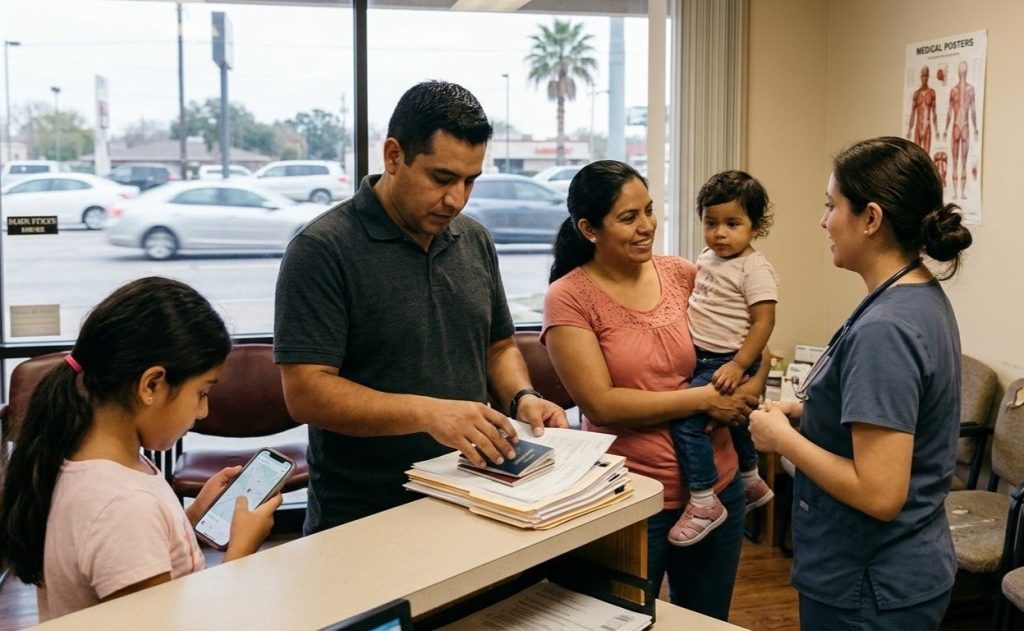
For residents in Westchase, the Immigration Medical Exam Clinic offers expertise and convenience. They’re not just a medical facility; they’re your partners in ensuring a smooth immigration process. From the first appointment to final documentation submission, their focus is on efficiency, accuracy, and compassionate care.
Services Offered
The clinic provides comprehensive services, including:
- Full physical examinations tailored to immigration requirements
- Laboratory tests such as TB screening, HIV, syphilis, and general blood work
- Vaccination checks and administration based on CDC requirements
- Complete documentation and secure submission of USCIS forms
Imagine trying to complete a multi-step puzzle without all the pieces—missing labs, vaccines, or forms could cause unnecessary delays. This clinic ensures all the pieces fit perfectly.
Expertise of Certified Physicians
Every doctor at the clinic is a certified civil surgeon with specialized knowledge in immigration medicine. Their expertise ensures that:
- All medical conditions are properly evaluated
- Required tests are performed accurately
- Any flagged issues are addressed promptly with clear guidance
- You understand the next steps for follow-ups or treatments
This level of care significantly reduces errors, prevents delays, and gives you peace of mind during what can be a stressful process.
Medical Conditions That Can Affect Approval
Certain medical conditions can impact your immigration exam outcome. Understanding these beforehand allows you to prepare, manage, and avoid surprises. Let’s go through the most important categories.
Communicable Diseases
Communicable diseases are the primary concern for immigration health exams. They can spread easily and pose serious public health risks. Even if you feel fine, a positive test result could delay your approval until treatment is complete.
Tuberculosis (TB)
TB is heavily monitored because it spreads through the air. A positive TB skin or blood test doesn’t automatically disqualify you, but further evaluation is required. Active TB must be treated, and documentation of treatment is essential. Think of TB like a small spark—you need to put it out to prevent a wildfire. Proper treatment usually allows applicants to continue the process without major issues.
Syphilis
Untreated syphilis is another condition that can delay approval. The good news is that it’s treatable with antibiotics. The key is documentation: proof of treatment and follow-up testing is usually sufficient for USCIS to move forward. For example, a patient treated and documented properly can often clear this hurdle within weeks.
HIV and Other Infectious Diseases
While HIV itself is no longer an automatic barrier, other infectious diseases may require evaluation. Civil surgeons assess each case individually, ensuring applicants receive guidance while minimizing delays.
Full disclosure and proper documentation are critical. Think of it like showing a maintenance report before moving into a new apartment—transparency avoids surprises.
Mental Health Conditions
Mental health is evaluated to ensure you can live safely and independently. It’s not about labeling—it’s about identifying conditions that could create risks to yourself or others.
Severe Psychiatric Disorders
Severe disorders, like schizophrenia or bipolar disorder, may be flagged if they affect judgment or safety. Treatment documentation, stability records, and a clear treatment plan usually allow applicants to proceed. For instance, someone with bipolar disorder who demonstrates stable management with medication and therapy is often cleared.
Substance Use Disorders
Active drug or alcohol abuse can impact approval. Evidence of participation in treatment programs, consistent sobriety, and ongoing therapy often resolves concerns. Think of it as demonstrating that a previously faulty engine has been repaired and is now running smoothly.
Vaccination and Immunization Gaps
Vaccinations are a surprisingly common reason for delays. USCIS follows CDC guidelines, which may include MMR, Varicella, Tdap, Influenza, Hepatitis B, and COVID-19 (depending on age). Completing these vaccines ahead of time avoids last-minute stress.
For example, someone missing the MMR vaccine may face a multi-dose schedule that could delay their application by weeks if not planned properly.
Chronic Health Issues
Chronic illnesses such as diabetes, hypertension, or heart disease usually do not disqualify applicants—but unmanaged conditions can raise concerns. Bringing recent lab results and treatment documentation proves stability. Think of it like showing a well-maintained vehicle at a safety inspection: if everything is in order, approval is straightforward.
Diabetes, Hypertension, and Heart Conditions
These conditions are closely monitored. Controlled blood sugar, consistent blood pressure readings, and documented medication adherence all show stability. Applicants with these conditions are rarely denied if their condition is well-managed.
Tips to Ensure Your Exam Goes Smoothly
Preparing ahead can prevent common pitfalls. Here’s how to make the process easier.
Preparing Your Medical Records
Collect previous lab results, prescriptions, vaccination records, and doctor notes. Having all this organized not only saves time but also shows USCIS that you’re thorough and responsible. Think of it as creating a “health portfolio” for your application.
Managing Existing Conditions
Ensure all chronic conditions are well-managed. Regular check-ups, consistent medication use, and documentation of progress demonstrate responsibility. Civil surgeons are more likely to approve applicants who can show proactive health management.
Vaccination Checklists
Verify which vaccinations you need and schedule them early. Some vaccines require multiple doses spaced over weeks or months. Completing this in advance avoids delays at the last minute.

Common Reasons for Medical Exam Delays
Even minor oversights can cause significant delays. Knowing the most common reasons helps you avoid them.
Incomplete Documentation
Missing medical records, forms, or lab results are a frequent cause of delays. Think of it like submitting a college application without transcripts—USCIS will request them, delaying the process.
Unreported Conditions
Always disclose your full medical history. Trying to hide conditions can backfire and lead to longer delays or complications. Honesty is critical.
Lab Test Discrepancies
Sometimes test results are inconsistent or abnormal. Prompt follow-up testing or clarification usually resolves these issues. A clinic like Immigration Medical Exam Clinic can help coordinate this efficiently.
What Happens if a Condition is Flagged
Don’t panic if your exam flags a condition. There are clear steps to address flagged issues and proceed with your application.
Treatment Plans and Follow-ups
You may be asked to complete treatment, attend follow-up testing, or provide additional documentation. Prompt action usually resolves the issue, and most applicants eventually receive approval once requirements are met.
Temporary vs. Permanent Ineligibility
Most flagged conditions result in temporary delays rather than permanent denial. Permanent ineligibility is rare and usually involves untreated serious communicable diseases or extreme cases. Knowing the difference can reduce anxiety and help you focus on the solution.
Immigration Medical Exam Clinic Serving the Westchase Community and Beyond in Houston
Immigration Medical Exam Clinic is dedicated to serving the diverse needs of the local community of Houston, including individuals residing in neighborhoods like Westchase. With its convenient location near landmarks such as the Woodchase Park and major intersections like Harwin Dr and S Gessner Rd (coordinates: 29.716697654399567, -95.53523004955156), we offer immigration medical exam Houston services.
Get Immigration Medical Exam at Westchase Now
Call Us Now
Navigate from Westchase to Immigration Medical Exam Clinic Now
Conclusion
The immigration medical exam is a critical checkpoint in your journey to a new life. While it can seem stressful, preparation, transparency, and guidance from a trusted clinic like Immigration Medical Exam Clinic in Westchase can make the process smooth and efficient.
Keep your medical records ready, manage chronic conditions, stay up-to-date on vaccinations, and be honest about your health history. Think of it like preparing for a big journey: the more organized you are, the smoother the road ahead. With proper preparation, this exam is a stepping stone, not an obstacle.
FAQs
1. Can I be denied a green card for a chronic illness?
Usually not, unless it’s uncontrolled and poses a risk to yourself or others. Proper documentation and treatment history are key.
2. What vaccinations are required for the immigration medical exam?
CDC-approved vaccines include MMR, Varicella, Tdap, Influenza, Hepatitis B, and COVID-19, depending on age.
3. How long does the immigration medical exam process take?
The exam itself usually takes 1–3 hours. Follow-ups or treatment may extend the process by days or weeks.
4. Can mental health conditions prevent immigration approval?
Only if they pose a danger or severely impair judgment. Treatment documentation and evidence of stability are critical.
5. Do I need to disclose all medications during the exam?
Yes. Full transparency ensures the process is smooth and prevents delays.