Can Any Doctor Do an Immigration Medical Exam?
November 6, 2025
If you’re navigating the U.S. immigration process, you’ve likely come across the term “immigration medical exam.” It may have left you scratching your head, wondering, “Can any doctor perform this exam?” The answer isn’t as simple as you might hope. This exam isn’t just a routine check-up—it’s a carefully regulated medical evaluation required by U.S. law to ensure immigrants meet health standards and don’t pose a risk to public health.
Whether you’re applying for a green card, adjusting your status, or entering the country on certain visas, understanding the rules around who can conduct the exam is crucial. And if you’re looking for reliable, professional services, an Immigration Medical Exam Clinic in Bellaire is your go-to option for a smooth and compliant experience. Think of it as having a “navigation hub” for your immigration health requirements.
Understanding the Immigration Medical Exam
The immigration medical exam is a step you cannot skip. It’s not just about proving that you’re “healthy enough” to enter the country; it’s about assessing your overall health and identifying conditions that may need attention before immigration approval. The exam ensures that no one entering the U.S. is carrying communicable diseases that could affect the public.
Consider it like a security checkpoint for your body—while TSA scans your luggage for dangerous items, this exam scans your health for things that could impact your life and the community. It’s detailed, thorough, and sometimes intimidating—but entirely manageable if you come prepared.
What the Exam Includes
At its core, the exam includes:
- A detailed medical history review: The doctor will ask about your past illnesses, surgeries, medications, and chronic conditions.
- Physical examination: Your eyes, ears, lungs, heart, and abdomen will all be checked. Even dental health might be discussed if relevant.
- Screening for communicable diseases: Tuberculosis, syphilis, leprosy, and other diseases are flagged. Certain conditions may require further tests or treatment before approval.
- Vaccination verification: USCIS requires immigrants to have specific immunizations. Missing vaccines may need to be administered during the exam.
Think of it like a checklist—every item is important. Skip one, and you risk delays in your immigration process.
Why the Exam is Required
The immigration medical exam isn’t just bureaucracy—it’s a public health measure. The U.S. government wants to prevent the spread of dangerous diseases and ensure that immigrants are not only healthy but also able to thrive. In addition, it helps identify treatable conditions early, giving applicants a chance to address them before their immigration paperwork is finalized.
Imagine it as a “preventive health insurance” for your immigration journey: addressing issues now prevents complications later, both medically and legally.

Who Can Conduct an Immigration Medical Exam?
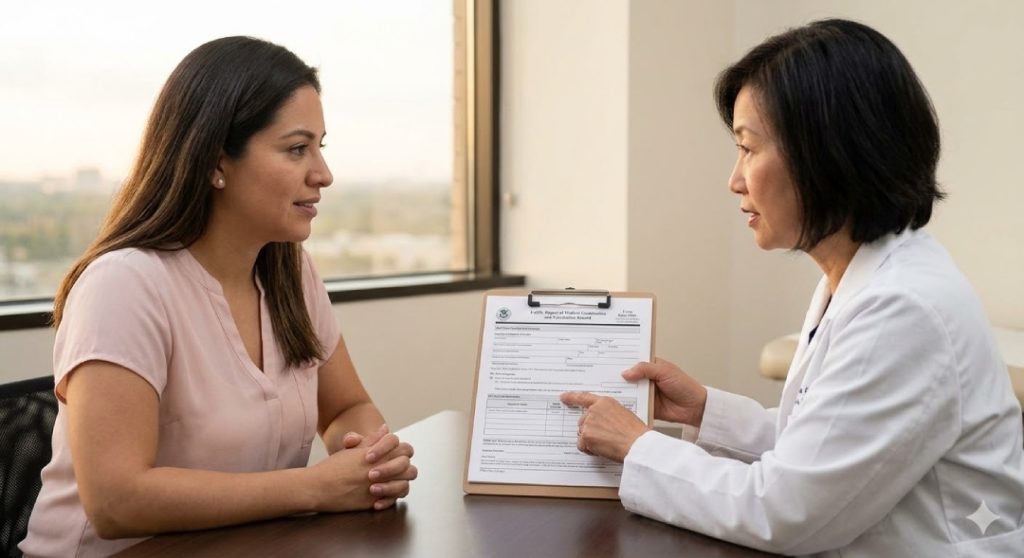
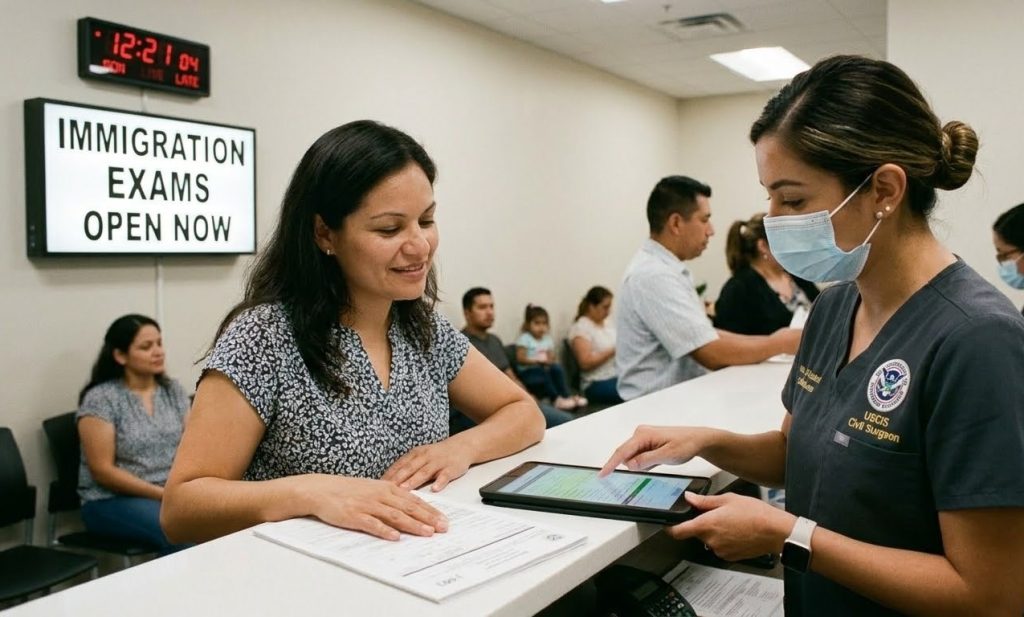
Here’s where many people get confused. Not every doctor can perform an immigration medical exam. In fact, if you go to the wrong doctor, your exam will be considered invalid by USCIS. Only doctors specifically designated by the USCIS, known as Civil Surgeons, are authorized to conduct these exams.
Civil Surgeons are like specialized mechanics for your health documentation—they know exactly what needs to be inspected, recorded, and reported.
The Role of Designated Civil Surgeons
Civil Surgeons play a critical role in the immigration process. They:
- Are officially trained and certified by USCIS to perform immigration exams.
- Understand exactly which vaccinations and screenings are required for different applicants.
- Can legally fill out and submit Form I-693, which USCIS requires to approve your application.
Think of Civil Surgeons as certified “immigration doctors” who are both health professionals and administrative experts.
Difference Between Regular Doctors and Civil Surgeons
Your family doctor is fantastic for routine checkups, managing chronic conditions, and giving advice—but when it comes to immigration, the rules are strict. A regular doctor cannot submit a valid Form I-693 to USCIS. If you try, your application will be delayed or rejected.
It’s like trying to cash a check at the wrong bank—no matter how qualified the teller seems, the bank won’t accept it.
How to Find a Qualified Doctor in Bellaire
Finding a qualified Civil Surgeon doesn’t have to be stressful. USCIS maintains an updated online directory of authorized doctors, but if you want a hassle-free experience, going straight to a dedicated clinic is often the easiest choice.
For example, the Immigration Medical Exam Clinic near Bellaire is a trusted location that handles everything—from scheduling and documentation to vaccinations and lab tests. They are familiar with USCIS procedures and streamline the process so you don’t end up running in circles.
Immigration Medical Exam Clinic Bellaire
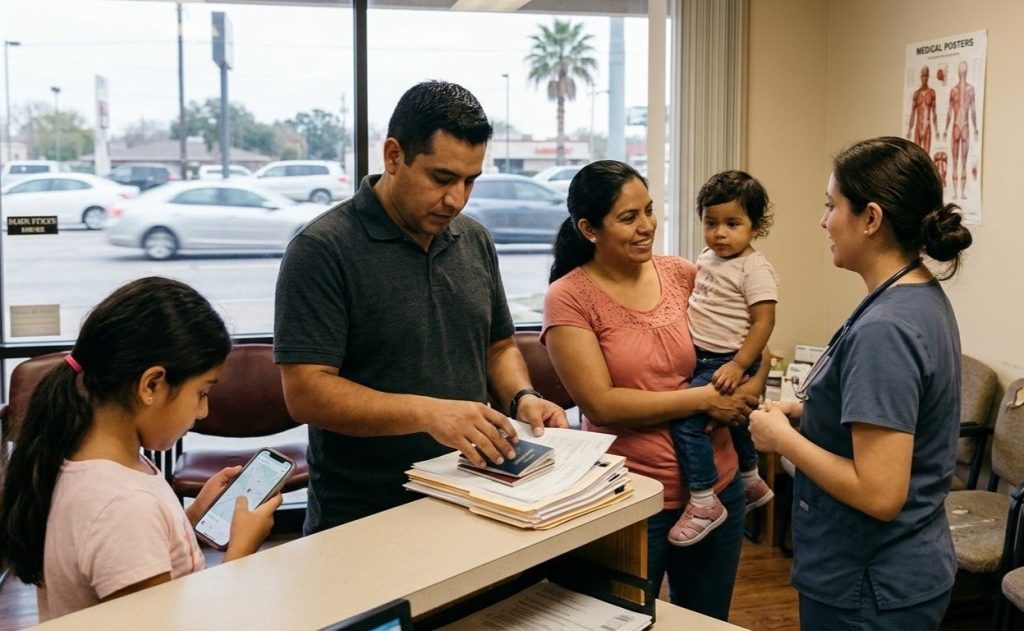
This clinic is designed for your peace of mind. They provide a one-stop solution: scheduling appointments, reviewing health records, performing the exam, updating vaccinations, and sealing the form for USCIS submission. They’re not just doctors—they’re guides through a complicated process.
Imagine walking into a maze of paperwork and uncertainty, and having someone lead you straight to the exit. That’s what this clinic does for immigration medical exams.
Tips for Verifying Credentials
Before you book an appointment, verify that the doctor is a USCIS-designated Civil Surgeon. You can:
- Check the USCIS online Civil Surgeon directory.
- Ask to see the doctor’s Civil Surgeon certificate.
- Confirm the clinic has experience with immigration exams specifically.
A quick verification step like this can save you weeks of frustration, delays, and extra fees.

Preparing for Your Immigration Medical Exam
Preparation is everything. Arrive well-rested, bring all relevant documentation, and dress comfortably. Remember, this exam isn’t just about passing—it’s about ensuring your health meets federal requirements.
Consider it like packing for a camping trip: if you forget essential items, the trip becomes stressful. Missing documents or vaccinations can create unnecessary delays in your immigration process.
Required Documents and Forms
Bring:
- Valid identification (passport, visa, or green card).
- Form I-693 or any other USCIS-related paperwork.
- Vaccination history and prior medical records.
Double-checking these before the exam ensures the process goes smoothly. Forgetting them is like showing up to a test without your pencils—you won’t get far.
Health Records and Vaccinations
Bring all immunization records. The Civil Surgeon will review them and provide any missing vaccinations. Some vaccines may require multiple doses, so early preparation helps avoid repeat visits.
Think of vaccines as checkpoints: missing even one can prevent the completion of your “health journey” for USCIS approval.
Common Misconceptions About the Exam
Many myths surround the immigration medical exam:
- “Any doctor can do it.” False. Only Civil Surgeons are authorized.
- “It’s only for first-time immigrants.” Not true. Certain visa holders and status adjustments also require it.
Clearing these misconceptions is vital. A simple misunderstanding can cost time, money, and stress.
Can Any Licensed Doctor Do It?
Nope. Only USCIS-approved Civil Surgeons can conduct a valid immigration medical exam. Going to the wrong doctor is a wasted effort and money.
Is the Exam Only for Immigrants?
Not exclusively. Adjustment-of-status applicants, some visa holders, and people renewing green cards may also require it. It’s about ensuring everyone in the immigration process meets health requirements, not just new arrivals.
What Happens During the Exam?
Expect a thorough assessment: physical checks, lab tests, vaccination reviews, and medical history verification. The process is designed to catch any health issues early, ensuring your immigration journey is not derailed.
Physical Examination and Medical History
The doctor examines your general health—lungs, heart, ears, eyes, and abdomen. They will ask about chronic conditions, medications, surgeries, and family medical history. Think of it as a detailed map of your health to guide the USCIS approval process.
Laboratory Tests and X-Rays
Common tests include bloodwork and chest X-rays. These detect tuberculosis, syphilis, and other communicable diseases. It’s thorough, but necessary. Imagine this step as the “scan for hidden obstacles” part of your health journey.
Vaccination Review
Missing shots? The Civil Surgeon will administer them. Vaccination compliance is crucial; USCIS has a strict list of required immunizations, and missing even one can delay your application.
After the Exam: Results and Reporting
Once the exam is complete, the doctor fills out Form I-693 and seals it in a confidential envelope. You submit it to USCIS as part of your immigration application. The results are private but essential—they determine whether your process moves forward.
How Doctors Report Results to USCIS
Only Civil Surgeons can legally submit Form I-693. USCIS does not accept results from regular doctors. Accuracy and authorization are crucial; an error can set back your immigration timeline by months.
What to Do If You Fail Part of the Exam
If a condition is identified or vaccinations are missing, don’t panic. The Civil Surgeon will guide you through treatment, vaccinations, or follow-up tests. Once completed, you can resubmit without restarting the process entirely.
Think of it as a second chance checkpoint—you get to correct course without losing progress.
Costs and Insurance Coverage
Fees vary depending on clinic, tests, and vaccinations. Some insurance may cover parts of the exam, but often not all. Budget for lab tests, X-rays, and vaccines. The Immigration Medical Exam Clinic Bellaire provides upfront pricing to help you plan.
Why Choosing the Right Clinic Matters
A reliable clinic ensures the exam is done correctly, paperwork is accurate, and vaccinations are administered properly. Errors can lead to delays, extra costs, and frustration. Choosing the right clinic is like hiring a professional guide in unfamiliar terrain—they make the journey smooth, safe, and efficient.
Immigration Medical Exam Clinic Serving the Bellaire Community and Beyond in Houston
Immigration Medical Exam Clinic is dedicated to serving the diverse needs of the local community of Houston, including individuals residing in neighborhoods like Bellaire. With its convenient location near landmarks such as the Bellaire-Zindler Park and major intersections like Ferris Dr and Evergreen St (coordinates: 29.698716057656203, -95.47310353369559), we offer immigration doctor Houston services.
Get Immigration Doctor Services at Bellaire Now
Call Us Now
Navigate from Bellaire to Immigration Medical Exam Clinic Now
Conclusion
So, can any doctor do an immigration medical exam? The clear answer is no. Only USCIS-designated Civil Surgeons, like those at the Immigration Medical Exam Clinic Bellaire, can perform exams that are valid for USCIS.
Preparing thoroughly, choosing the right clinic, and understanding the process ensures a stress-free experience and keeps your immigration application moving forward without delays. Remember, this exam isn’t just a formality—it’s a health checkpoint designed to protect you and the public.
FAQs
1. Can my family doctor perform an immigration medical exam?
No, only USCIS-authorized Civil Surgeons can conduct exams recognized for immigration purposes.
2. How do I find a Civil Surgeon near Bellaire?
Start with the USCIS online Civil Surgeon directory or visit Immigration Medical Exam Clinic Bellaire for certified services.
3. What documents should I bring to the exam?
Bring valid identification, vaccination records, and any previous immigration-related medical forms.
4. Are vaccinations mandatory during the exam?
Yes. USCIS requires certain vaccines. The Civil Surgeon can administer missing doses during the exam.
5. What happens if I fail a part of the exam?
The Civil Surgeon will guide you on treatment or catch-up vaccinations, after which you can resubmit Form I-693 without restarting the process.